
Product Details
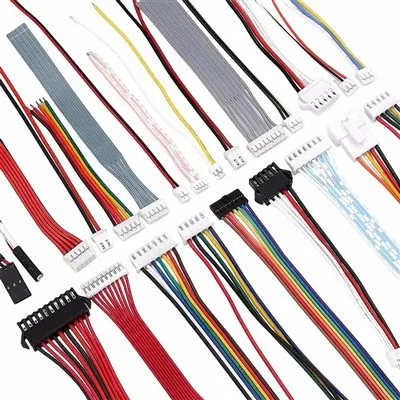
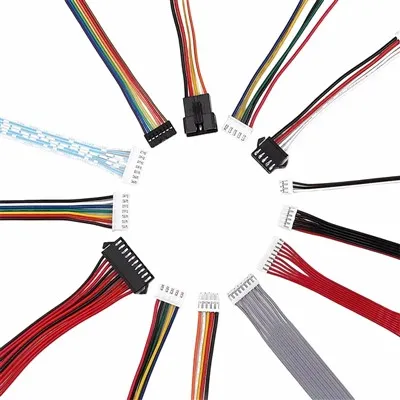
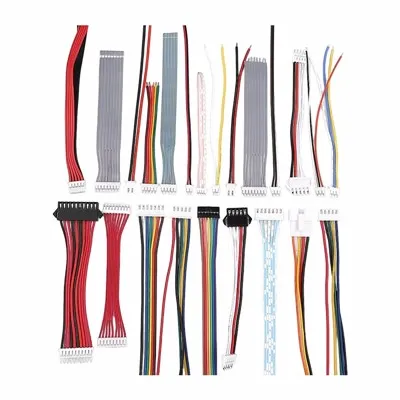
Automotive sensor wiring harness transmits signals between vehicle ECUs and various sensors. It adopts abrasion-resistant, high-temperature cables and sealed connectors to withstand vibration, humidity and temperature fluctuation. Strict manufacturing and testing standards are required to avoid signal loss or intermittent faults. Material grade, shielding structure and IP rating directly affect long-term stability in automotive environments.

Sensor Harness Applications in Modern Vehicles
Different vehicle systems place different demands on their wiring harnesses.
Engine and transmission sensors typically operate in areas exposed to heat, vibration and oil contamination. Battery and power electronics systems may require enhanced insulation and temperature resistance. ADAS-related sensors often place greater emphasis on signal quality and connector reliability.
Common sensor applications include:
- Temperature sensing
- Pressure monitoring
- Position detection
- Wheel speed measurement
- Battery temperature monitoring
- Motor and inverter monitoring
- Fluid level detection
- Proximity sensing
The harness must match the electrical and environmental requirements of the sensor rather than being selected only according to wire length and connector type.

Selecting the Right Wire and Connector
Material selection has a direct influence on harness performance.
Wire gauge should be determined according to current, voltage, length and allowable voltage drop. Sensor signal circuits may require smaller conductors, while power-related sensor systems can require larger wire sizes.
Insulation material is selected according to the operating environment. PVC may be suitable for general applications, while higher-temperature materials such as XLPE, cross-linked insulation or specialized automotive compounds may be required in high-temperature areas.
Connector selection also requires careful evaluation. Key factors include terminal compatibility, locking mechanism, sealing structure, mating cycles and resistance to vibration.
For outdoor or exposed vehicle locations, sealed connectors and appropriate protective sleeving can help reduce the risk of moisture and contamination.
Manufacturing Process
Automotive sensor harness production requires controlled processing because small dimensional or termination errors can affect the complete vehicle system.
The typical process includes wire cutting, stripping, terminal crimping, connector insertion, protective sleeve installation, labeling and electrical testing.
Crimp quality is particularly important. Insufficient crimp force can increase contact resistance, while excessive force may damage the conductor. Production therefore requires controlled tooling and regular verification.
Wire routing is also checked against the approved drawing. Branch lengths, connector orientation and terminal positions must remain within specified tolerances to ensure that the finished harness fits correctly during vehicle assembly.
Electrical and Mechanical Testing
Testing should cover both electrical continuity and physical assembly quality.
Typical electrical checks include continuity, short-circuit detection and insulation resistance testing. Depending on the application, additional tests may be required for resistance, polarity or specific sensor signal circuits.
Mechanical inspection focuses on terminal retention, connector locking, wire length, crimp appearance and branch positioning.
For harnesses installed in demanding vehicle environments, validation may also include vibration, temperature cycling, humidity and environmental exposure testing.
Combining electrical and mechanical inspection provides stronger control than relying on visual inspection alone.
Reliability Factors
Automotive sensor harnesses can experience thousands of operating cycles during their service life.
Several factors can influence long-term reliability.
Vibration
Continuous vibration can gradually weaken poorly secured terminals or unsupported wire sections.
01
Temperature
Engine compartments and power electronics areas can experience significant temperature variation.
02
Moisture and Contamination
Water, oil, dust and road contaminants can affect connectors and insulation if protection is inadequate.
03
Bending and Routing
Repeated movement or tight bending can place mechanical stress on conductors.
04
Connector Mating
Improper insertion or incomplete locking can create intermittent electrical connections.
A reliable harness design therefore considers the complete installation environment rather than only the electrical schematic.
05
Manufacturing Quality Control
Quality control should begin with incoming materials and continue through final testing.
Wire and connector specifications are checked before production. Crimping equipment is verified using appropriate process controls. First-piece inspection confirms dimensions and connector configuration before larger quantities are produced.
During production, operators or automated systems verify wire routing, terminal position and connector assembly.
Final electrical testing provides an additional safeguard against open circuits, short circuits and incorrect connections.
For automotive programs, production records and material traceability are also important because they support quality investigations and batch management when issues occur.
Customization for Different Vehicle Systems
Automotive sensor harnesses are rarely identical from one application to another.
Customization may involve wire length, conductor size, insulation material, connector type, terminal specification, branch configuration, shielding, sleeving and labeling.
The harness can also be designed around the installation path available inside the vehicle. Correct branch positioning can reduce assembly time and prevent excessive tension after installation.
For prototype and low-volume projects, design changes may occur frequently. A manufacturing partner with flexible engineering support can help update drawings, BOMs and test requirements without disrupting the entire production process.
Typical Automotive Applications
Automotive Sensor Wiring Harnesses are used across conventional, hybrid and electric vehicles.
Common applications include:
- Engine management
- Transmission control
- Battery management
- Electric motor monitoring
- Inverter temperature sensing
- Brake systems
- ABS and wheel speed systems
- HVAC control
- ADAS sensor systems
Electric vehicles have further increased the importance of sensor wiring because battery packs, motors and thermal management systems rely on numerous monitoring points.

Choosing a Manufacturing Partner
For automotive sensor harness projects, supplier selection should consider more than unit price.
Important factors include crimping capability, connector sourcing, electrical testing, drawing control, traceability and production consistency.
Lead time should also be evaluated together with material availability. Specialized automotive connectors or terminals can have longer procurement cycles than standard components. Confirming material availability before production scheduling helps reduce unexpected delays.
For prototype projects, engineering responsiveness is particularly important. For volume production, stable processes, repeatability and quality records become increasingly important.

FAQ
What is an Automotive Sensor Wiring Harness
It is a wiring assembly designed to connect automotive sensors with control units, power systems and related electronic components.
What sensors can use this type of harness
Typical applications include temperature, pressure, speed, position, battery and motor monitoring sensors.
What testing is commonly required
Continuity, short-circuit, insulation resistance, terminal retention and visual inspections are commonly used, with environmental testing added when required by the application.
What information is needed for an RFQ
An RFQ should include wire specifications, connector and terminal part numbers, harness drawings, cable lengths, quantities, testing requirements and delivery expectations.
Can Automotive Sensor Wiring Harnesses be customized
Yes. Wire gauge, length, insulation, connectors, terminals, branch structure, protection materials and labeling can be adapted to the vehicle system and installation environment.
Hot Tags: automotive sensor wiring harness, China automotive sensor wiring harness manufacturers, suppliers, factory, automotive electrical wiring harness, automotive harness connectors parts, cable and wire harness assembly, custom automotive wiring, harness cable assembly, vehicle cable harness hardware