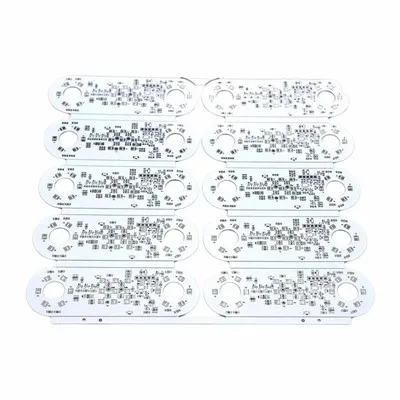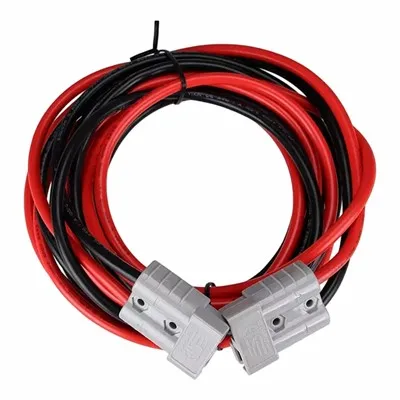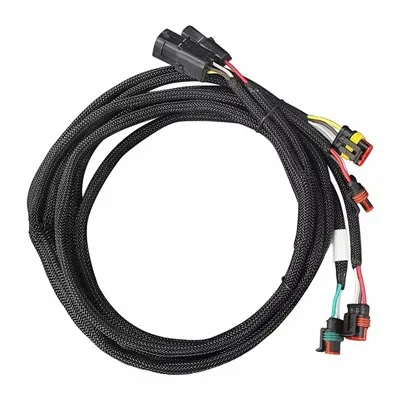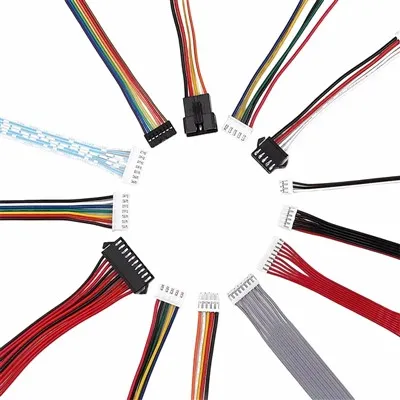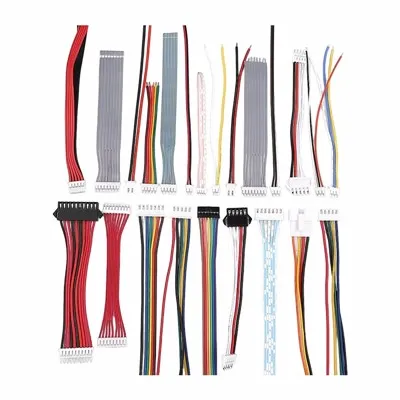
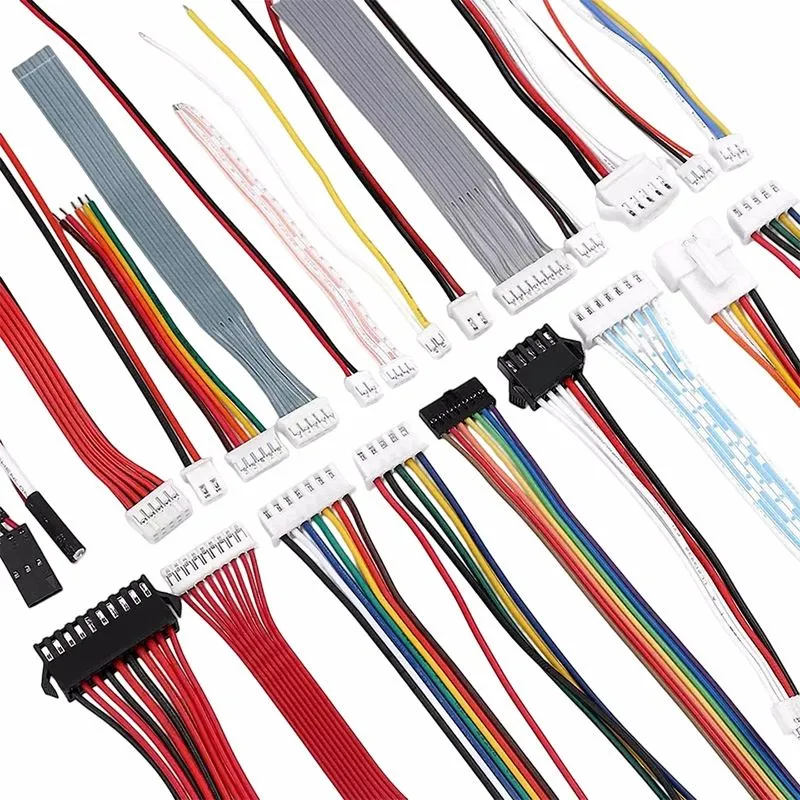
Modern vehicles include more electronic and electrical systems than ever before. Lighting systems, sensors, cameras, dashboards, audio systems, seat controls, door modules, battery systems, control units, power accessories, and aftermarket devices all depend on stable wiring connections. If the harness is not designed or produced correctly, customers may face connection failure, signal interruption, unstable power supply, short circuits, difficult installation, or repeated maintenance problems.
Our Automotive Wiring Harness service is designed for customers who need custom cable solutions for automotive power, signal, lighting, sensor, control, and accessory applications. We support customized wire length, wire gauge, connector type, terminal type, pinout configuration, cable branching, protective sleeve, labeling, testing, and packaging according to drawings, samples, or project requirements.
For customers, the main concern is not only whether wires can be connected. They want to know whether the connector fits the vehicle or device interface, whether terminal crimping is strong enough, whether the wire sequence is correct, whether the harness can resist heat, abrasion, vibration, moisture, and long-term use, and whether every batch can match the approved sample.
That is why a reliable harness supplier should not only cut wires and install connectors. The supplier should understand the real application environment, confirm the electrical requirements, control terminal crimping quality, verify pinout accuracy, select suitable protective materials, and perform proper testing before delivery.
Reducing Connector, Terminal, and Installation Risks
One of the most common pain points in automotive cable projects is connector mismatch. If the connector does not match the vehicle interface, control module, sensor, lighting unit, or accessory port, the harness cannot be installed correctly. Even if the connector shape is correct, wrong pinout, loose terminals, poor crimping, or unstable contact can still cause electrical failure.
Terminal crimping is another critical factor. A weak crimp may lead to high contact resistance, intermittent signal loss, overheating, open circuits, or failure during vibration. In automotive applications, wires may be exposed to movement, pulling, bending, vibration, or temperature changes. Therefore, terminal crimping quality and connector stability must be controlled carefully.
Installation convenience is also important. Customers often need harnesses to fit specific routing paths inside the vehicle. Wire length, branch position, connector direction, sleeve type, labels, and fixing points can all affect installation speed and wiring accuracy. If the harness is too short, too long, poorly labeled, or difficult to route, installation time and error risk increase.
|
Project Area |
Customer Pain Point |
Manufacturing Focus |
|
Connector Matching |
Connector may not fit the vehicle or device interface |
Confirm connector type, pin position, and mating performance |
|
Terminal Crimping |
Loose terminals may cause poor contact or overheating |
Control crimping quality and pull force requirements |
|
Wire Length |
Incorrect length may affect installation |
Produce according to drawings, samples, or routing needs |
|
Pinout Configuration |
Wrong wiring sequence may cause function failure |
Verify circuit position and connector pin assignment |
|
Protective Sleeve |
Wires may face abrasion, heat, or vibration |
Use suitable tubing, wrapping, sleeve, or heat shrink |
|
Labeling |
Installation may become confusing |
Add labels or markings for easier identification |
|
Batch Consistency |
Repeat orders may differ from approved samples |
Maintain production records and approved specifications |
A reliable Automotive Wire Harness Assembly process should help customers reduce installation errors and electrical risks before the harness reaches final use. This requires accurate wiring, stable crimping, suitable protection, clear labeling, and complete final inspection.
Custom Manufacturing Capability
Different vehicle applications require different harness structures. A lighting harness may focus on waterproof connectors and correct wire length. A sensor harness may require stable signal transmission and accurate pinout. A camera harness may require clean routing and reliable connector contact. A power accessory harness may require suitable wire gauge and insulation. A dashboard or control harness may need compact branching, labeling, and easy installation.
Custom manufacturing can include wire length selection, wire gauge selection, insulation material selection, wire color configuration, connector matching, terminal selection, cable branching, protective sleeve, heat shrink tubing, corrugated tube, braided sleeve, tape wrapping, rubber grommet, and packaging method.
For projects based on drawings, the supplier should follow the wire length, circuit layout, connector position, terminal model, and pinout information carefully. For projects based on samples, the supplier should check the original structure, wire color, branch length, connector direction, sleeve location, and installation details before production. For new projects, technical communication is important to confirm current load, signal type, installation environment, waterproof needs, and production quantity.
For projects that may move into batch production, approved specifications should be recorded clearly. This includes wire model, connector model, terminal type, crimping method, pinout, sleeve material, label position, testing method, and packaging requirements.
Connector and Terminal Reliability
Connector and terminal quality directly affects the performance of the final harness. In many automotive applications, the harness connects moving parts, lighting systems, sensors, control modules, or power devices. If the contact is unstable, the vehicle system may show intermittent faults that are difficult to diagnose.
Good terminal crimping should provide both electrical conductivity and mechanical strength. Poor crimping may look acceptable from the outside but still fail during pulling, vibration, or long-term use. Connector insertion should also be checked because poor mating may cause loose contact, difficult installation, or unstable signals.
To improve reliability, production should control wire stripping length, terminal crimping height, crimping position, wire insertion depth, terminal locking, connector housing assembly, and final pull force testing when required. For signal wires, pinout accuracy is especially important. For power wires, wire gauge and contact resistance should be considered carefully.
Improving Durability, Testing, and Batch Consistency
Automotive electrical systems often work in environments that are more demanding than ordinary electronics. Harnesses may be installed near lighting assemblies, engine-related areas, vehicle doors, seats, dashboards, chassis, batteries, sensors, or external accessories. These areas may involve heat, vibration, bending, dust, moisture, oil, and mechanical wear.
For this reason, material selection is important. Depending on the application, wires may need heat resistance, abrasion resistance, flexibility, insulation strength, or waterproof protection. Protective materials such as corrugated tube, braided sleeve, PVC sleeve, heat shrink tubing, tape wrapping, waterproof connectors, and rubber seals can help improve harness durability.
Testing is also very important because many wiring defects are not visible. A harness may look correct but still have wrong pinout, poor contact, open circuit, short circuit, weak crimping, or incorrect wire length. Before shipment, testing helps reduce customer-side installation problems and improves confidence in batch quality.
|
Testing / Inspection Item |
Purpose |
Customer Benefit |
|
Continuity Test |
Confirms each circuit is connected correctly |
Reduces wiring failure risk |
|
Short Circuit Test |
Checks whether unwanted contact exists between wires |
Helps prevent electrical faults |
|
Open Circuit Test |
Detects broken or disconnected circuits |
Avoids non-working harnesses |
|
Pinout Verification |
Confirms wire sequence and connector pin position |
Reduces installation and function errors |
|
Pull Force Test |
Checks terminal crimping strength |
Improves contact reliability |
|
Wire Length Check |
Confirms harness size matches requirements |
Improves installation fit |
|
Visual Inspection |
Checks sleeve, labels, connector, color, and appearance |
Improves final quality control |
|
Connector Fit Check |
Confirms mating performance |
Reduces installation mismatch |
Our Vehicle Wiring Harness support is suitable for sample development, small-batch production, and mass production. During the sample stage, customers can confirm wire length, connector type, pinout, routing, installation position, and electrical function. After the sample is approved, clear production records help maintain consistency in later batches.
Material and Protection Options
Different automotive applications require different protection methods. A harness used inside the dashboard may focus on compact routing and clear labeling. A harness used near lighting or external accessories may need waterproof connectors. A harness used near moving parts may need flexible protection. A harness used near higher-temperature areas may need heat-resistant insulation or protective tubing.
Common protection options include corrugated tube, braided sleeve, PVC sleeve, heat shrink tubing, tape wrapping, rubber grommets, waterproof connector housings, sealing plugs, and protective sheaths. These materials help reduce abrasion, moisture risk, cable bending damage, and installation wear.
Wire gauge selection should match current requirements. Signal wires usually need stable transmission and correct pinout, while power wires need suitable current capacity and insulation. If the wire gauge is too small, the harness may overheat or fail under load. If it is too large, installation may become difficult and cost may increase unnecessarily. A practical harness design should balance performance, safety, installation space, and cost.
Application Areas
Custom car electrical harnesses can be used in many automotive and vehicle-related applications, including lighting systems, sensors, dashboards, camera systems, audio systems, door modules, seat control systems, EV accessories, battery connections, power accessories, control modules, motorcycle wiring, truck wiring, and aftermarket electronic devices.
Different applications have different requirements. Lighting harnesses often need waterproof connectors and stable power transmission. Sensor harnesses require accurate signal routing and reliable contact. Camera systems need stable power and data connections. Door and seat harnesses may need flexibility and protection against repeated movement. EV-related harnesses may require suitable wire gauge, insulation, and careful connection control.
A good harness solution should match the final use environment instead of using the same structure for every project. The production plan should consider installation location, current load, signal type, connector mating, movement, waterproof needs, and maintenance convenience.
Prototype to Batch Production

Many harness projects start with samples. At this stage, customers usually check connector matching, wire length, pinout, installation route, protection method, and function. If changes are needed, adjustments can be made before batch production.
After sample approval, production consistency becomes important. Wire specifications, connector models, terminal types, crimping standards, sleeve materials, label requirements, test standards, and packaging methods should be documented clearly. This helps future batches match the approved sample and reduces repeated communication.
For customers, stable batch production means fewer installation problems, fewer wiring mistakes, and better long-term reliability. Clear records also help when the customer needs repeat orders, product updates, or different versions of the harness.
Quality Control and Final Delivery
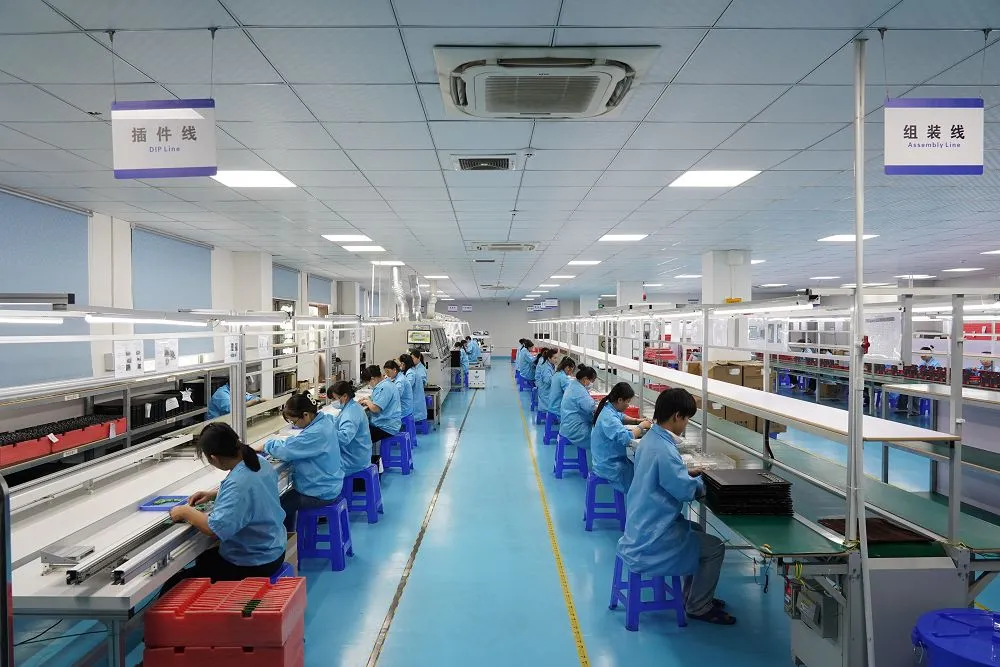
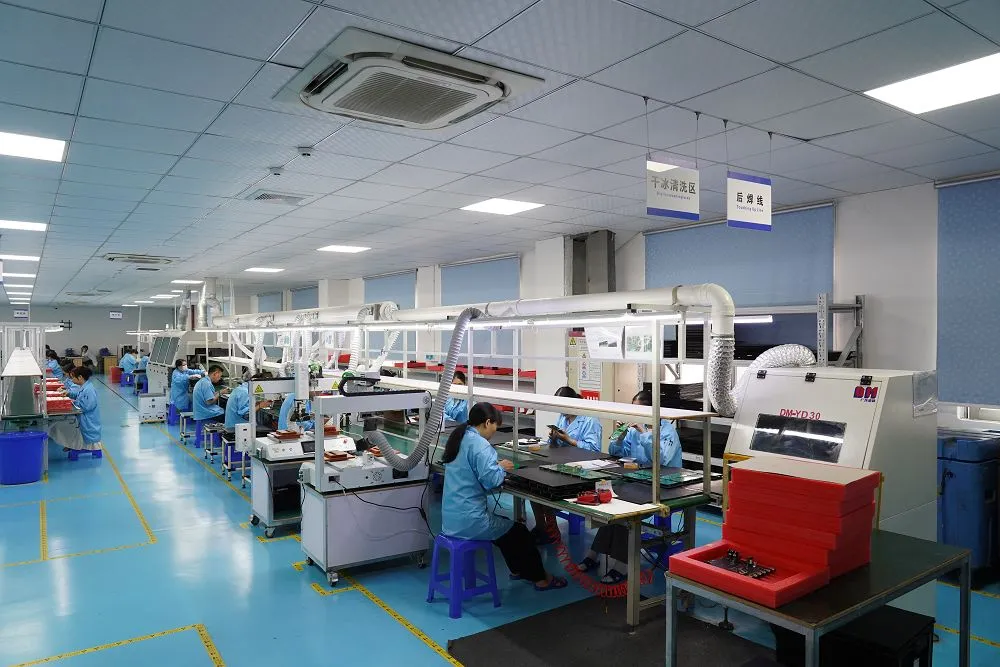
Quality control should cover the entire harness production process. This includes material checking, wire cutting, stripping, terminal crimping, connector assembly, sleeve installation, labeling, electrical testing, visual inspection, and packaging.
During production, operators should check whether wire colors, wire lengths, terminal positions, connector orientation, labels, and sleeves match the approved drawing or sample. During final inspection, the harness should be checked for electrical connection, appearance, protective materials, connector fit, and packaging condition.
Final packaging should protect connectors, terminals, and wires during transportation. For harnesses with multiple branches or delicate connectors, proper bundling and labeling can make installation easier and reduce handling damage.
The final goal is to deliver harnesses that are not only connected correctly, but also reliable, easy to install, and suitable for real automotive applications.
FAQ
Q1: Can samples move into batch production?
Yes. After the sample is approved, production specifications such as wire model, connector type, terminal type, pinout, sleeve material, label position, crimping standard, and testing method can be recorded for future batch production. This helps later orders remain consistent with the approved sample.
Q2: Can harnesses be customized according to samples?
Yes. Harnesses can be customized according to drawings, samples, or application requirements. The production details may include wire length, wire color, wire gauge, connector type, terminal type, branch structure, sleeve material, labels, and packaging.
Q3: Why is terminal crimping important?
Terminal crimping affects electrical contact and mechanical strength. Poor crimping may cause loose terminals, high resistance, overheating, intermittent signal loss, or open circuits. Pull force testing and crimping inspection help reduce these risks.
Q4: Can waterproof harnesses be produced?
Yes. Depending on the application, waterproof connectors, seals, heat shrink tubing, protective sleeves, or other sealing methods can be used. This is useful for lighting systems, sensors, chassis-related wiring, outdoor accessories, and vehicle external applications.
Q5: What tests are usually performed before shipment?
Common tests include continuity testing, short circuit testing, open circuit testing, pinout verification, pull force testing, wire length checking, connector fit checking, and visual inspection. These tests help confirm that the harness is ready for installation.
Hot Tags: car electrical wiring harnesses, China car electrical wiring harnesses manufacturers, suppliers, factory, Automotive Cable Assembly, automotive wire harness, Automotive Wiring Harness Kit, Car Infotainment Wiring Harnes, vehicle wiring loom kit, wire harness