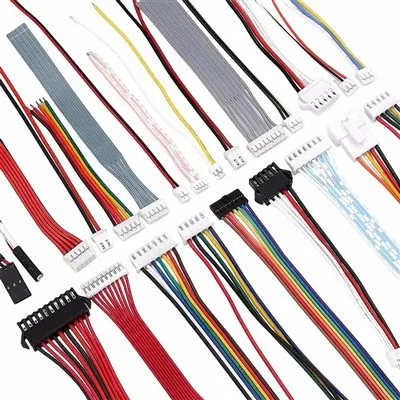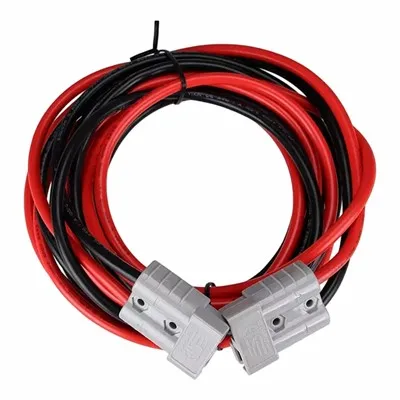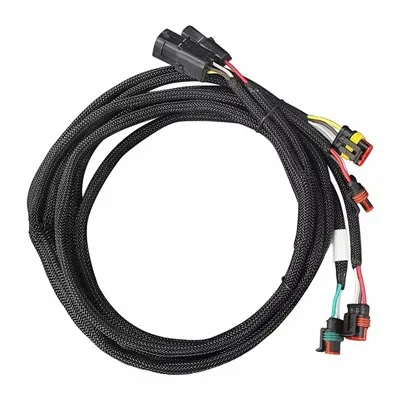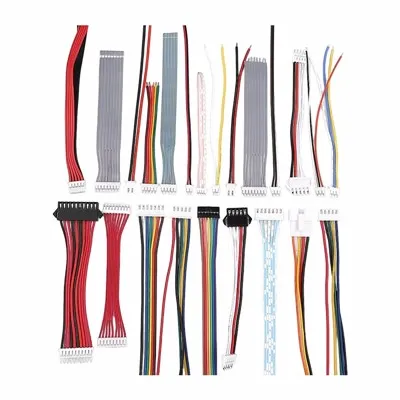
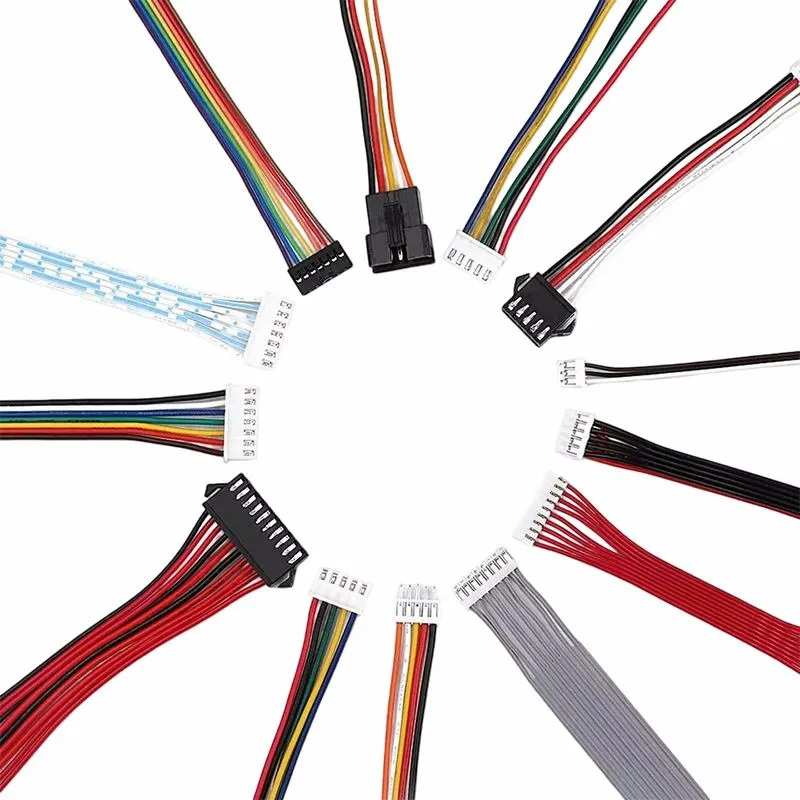
Automotive wiring systems are becoming more complex as vehicles include more sensors, lighting modules, cameras, audio systems, control units, battery systems, EV accessories, and aftermarket electronics. A reliable harness does not depend only on wires. It also depends on the connectors, terminals, seals, clips, sleeves, and protection materials used in the complete assembly.
If one connector does not match, the harness cannot be installed. If a terminal does not fit the housing or wire gauge, it may cause poor contact or intermittent failure. If a seal is not suitable, water and dust may enter the connector. If a sleeve or grommet is missing, wires may be damaged by vibration, bending, or abrasion. These small components can directly affect the safety, reliability, and installation efficiency of the final harness.
Our component support is suitable for automotive harness manufacturers, vehicle electronics companies, aftermarket accessory suppliers, repair projects, EV accessory developers, motorcycle and truck wiring applications, and custom cable assembly projects. Customers can choose parts according to drawings, samples, wire gauge, connector type, pin count, current requirement, waterproof level, installation environment, and batch production needs.
Solving Connector Matching, Terminal Fit, and Protection Problems
One of the biggest pain points in harness component selection is compatibility. A connector housing, terminal, seal, and wire must work together as a system. If one part is not matched correctly, the final harness may not perform reliably.
Customers often worry about connector pin count, housing shape, locking structure, terminal size, wire gauge range, and mating connector compatibility. For example, a terminal may fit the connector cavity but may not be suitable for the selected wire gauge. A seal may look correct but may not match the wire diameter. A connector may connect mechanically but may not support the required current or environmental protection.
Terminal reliability is also critical. Poor terminal fit or incorrect crimping compatibility can cause high contact resistance, signal loss, overheating, or open circuits. For automotive applications, components may be exposed to vibration, cable movement, temperature changes, and repeated installation. Therefore, terminal selection and connector matching must be considered carefully.
Protective parts are equally important. Corrugated tubes, braided sleeves, rubber grommets, heat shrink tubing, clips, and clamps help protect and organize wires. Without proper protection, wires may rub against metal edges, move during vibration, or become damaged during installation. This can lead to insulation damage, short circuits, or long-term reliability problems.
|
Component Type |
Main Function |
Customer Benefit |
|
Automotive Connectors |
Connect harnesses to vehicle modules, sensors, lights, or accessories |
Ensures stable interface connection |
|
Terminals / Pins |
Create electrical contact inside connector housings |
Improves conductivity and crimping reliability |
|
Wire Seals |
Seal wire entry points inside connectors |
Reduces water and dust ingress |
|
Rubber Grommets |
Protect wires passing through panels or holes |
Prevents abrasion and vibration damage |
|
Corrugated Tubes |
Protect wire bundles from wear and heat |
Improves harness durability |
|
Braided Sleeves |
Organize and protect cable groups |
Provides flexible routing and neat appearance |
|
Heat Shrink Tubing |
Insulates and protects joints or branches |
Improves sealing and insulation |
|
Clips / Clamps |
Fix harness position during installation |
Reduces movement and rubbing |
|
Fuse Holders |
Protect electrical circuits |
Improves safety in power lines |
|
Relay Sockets |
Support relay connection and replacement |
Makes control circuit wiring easier |
A reliable component supply process should help customers select the right parts before harness production begins. This reduces rework, wrong purchases, and installation problems.
Component Matching and Custom Support
Different applications require different component combinations. A lighting harness may need waterproof connectors, wire seals, heat shrink tubing, and corrugated tubes. A sensor harness may require compact connectors, stable terminals, and correct pinout support. A door or seat harness may need flexible sleeves and clips for moving areas. An EV accessory harness may require higher current connectors, fuse holders, stronger insulation, and protective tubing.
Our Car Wiring Harness Fittings can be selected according to application requirements such as wire diameter, current level, signal type, connector interface, waterproof needs, routing path, and installation space. For customers with drawings or samples, components can be matched according to the existing structure. For new projects, component selection can be discussed based on function, environment, and production quantity.
This support is especially useful for customers who need consistent repeat production. Once a connector model, terminal type, seal size, sleeve material, and packaging method are approved, they can be recorded for future orders. This helps maintain stable quality and reduces repeated confirmation work.
Improving Durability, Waterproof Protection, and Batch Consistency
Automotive wire harness components often work in harsh environments. They may be installed near headlights, sensors, cameras, engine-related areas, doors, seats, dashboards, chassis, batteries, trailers, motorcycles, trucks, or outdoor accessories. These areas may involve moisture, dust, oil, vibration, movement, temperature changes, and mechanical wear.
Waterproof and protective accessories are important for these applications. Wire seals, cavity plugs, sealed connector housings, rubber grommets, adhesive heat shrink tubing, and protective sleeves help reduce water ingress and corrosion risks. Corrugated tubes and braided sleeves protect wires from abrasion and bending damage. Clips and clamps help fix the harness in place, reducing movement during vehicle operation.

For long-term projects, batch consistency is another major customer concern. Customers want to know whether future batches will use the same connector, terminal, seal, sleeve, color, size, and packaging standard. If component specifications change without notice, harness production may be affected. A stable supply process should include clear component records, approved sample confirmation, dimensional inspection, and packaging control.
|
Quality Control Item |
Purpose |
Customer Benefit |
|
Connector Fit Check |
Confirms mating and locking performance |
Reduces installation mismatch |
|
Terminal Inspection |
Checks terminal shape, plating, and fit |
Improves contact reliability |
|
Crimping Compatibility Check |
Confirms terminal and wire gauge matching |
Reduces loose terminal risk |
|
Seal Fit Check |
Verifies seal size and connector cavity matching |
Improves waterproof performance |
|
Dimension Check |
Confirms size matches drawing or sample |
Supports stable batch production |
|
Material Inspection |
Checks sleeve, tube, grommet, and accessory quality |
Reduces protection failure |
|
Visual Inspection |
Checks surface, color, deformation, and damage |
Improves final quality control |
|
Packaging Check |
Protects small components during shipment |
Reduces loss and handling damage |
Quality control for components is important because many problems only appear after the harness is assembled. Checking fit, size, material, and appearance before production helps customers avoid larger assembly issues later.
Application Areas
These components can support many automotive and vehicle-related wiring projects, including lighting harnesses, sensor harnesses, camera harnesses, EV accessory wiring, door harnesses, seat harnesses, dashboard wiring, car audio wiring, truck wiring, motorcycle harnesses, trailer harnesses, control module wiring, and aftermarket electronic accessories.
Lighting applications often need waterproof connectors, seals, and protective sleeves. Sensor wiring requires stable signal connection and correct terminal matching. Camera systems may need compact connectors and clean routing support. EV accessories may require power connectors, fuse holders, and stronger insulation. Door and seat harnesses need flexible routing and protection against repeated movement. Engine-area or chassis-related wiring may require heat-resistant and abrasion-resistant protection.
A good component solution should match the final use environment. Using the wrong connector, seal, terminal, or sleeve may reduce harness reliability even if the wire itself is correct.
Prototype to Batch Supply
Many customers begin with samples before moving into batch production. During the sample stage, they usually confirm connector type, terminal model, seal size, sleeve material, wire gauge range, installation method, and test requirements. If adjustments are needed, they can be made before mass production.
After approval, the specifications should be recorded clearly. These records may include connector model, terminal type, seal size, compatible wire gauge, sleeve material, clip type, label requirement, packaging method, and quality standard. This helps future batches remain consistent with approved samples and reduces communication time for repeat orders.
For harness manufacturers and vehicle electronics suppliers, stable component supply can improve production efficiency, reduce rework, and support long-term project reliability.
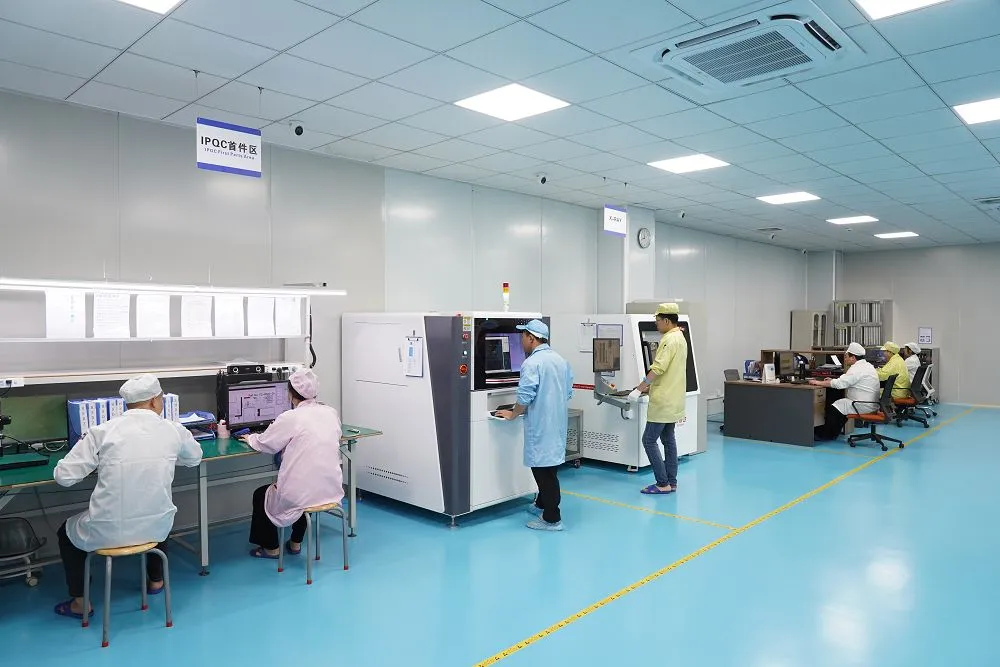
Quality Control and Final Delivery
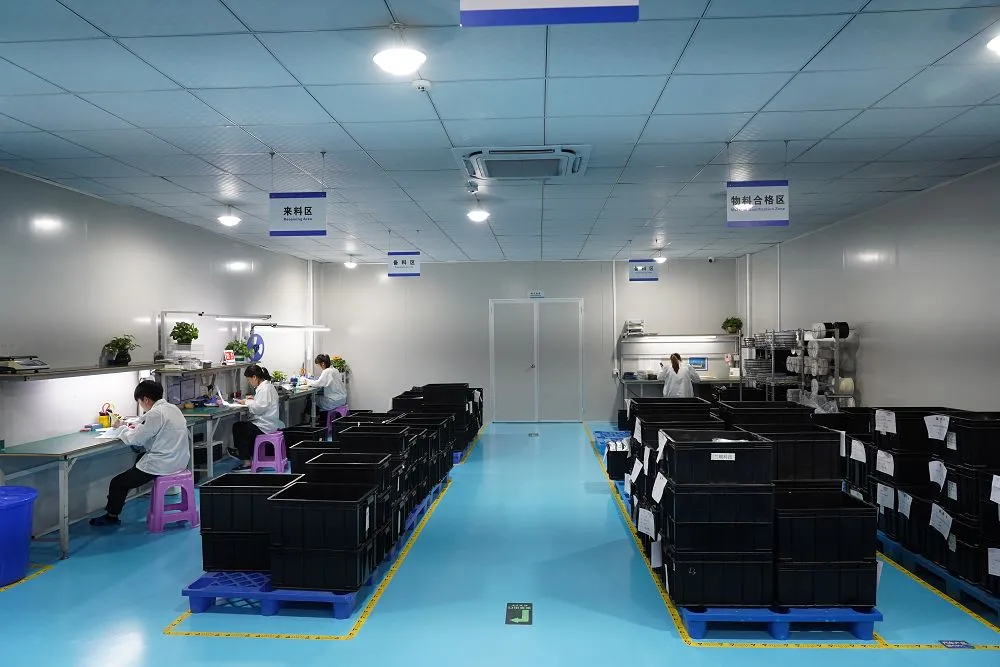
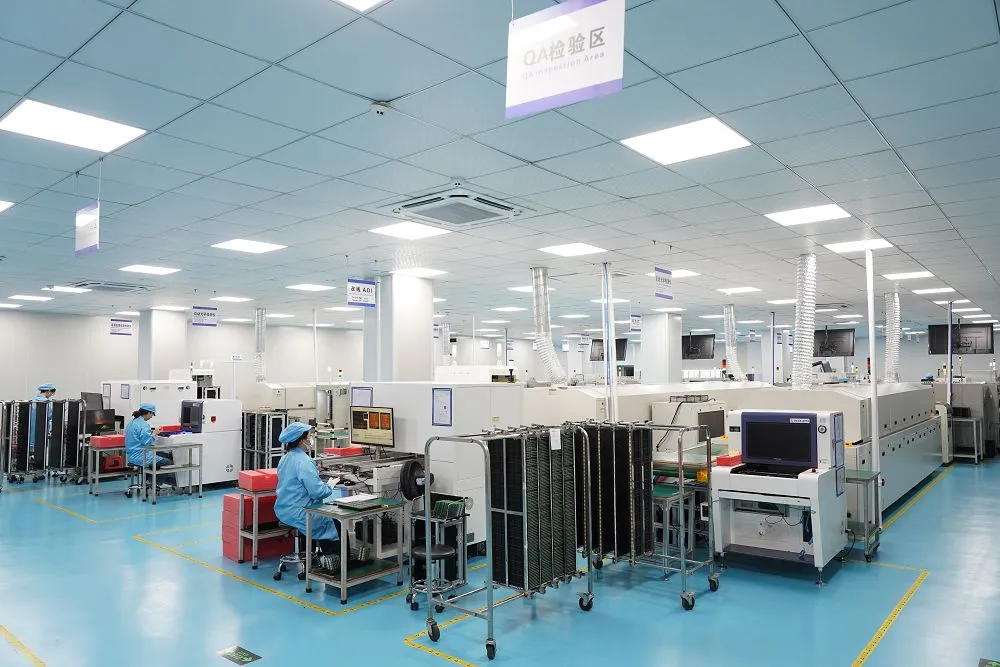
Quality control should cover the full component supply process. This includes material checking, model confirmation, dimensional inspection, connector fit checking, seal fit checking, packaging inspection, and final shipment protection.
Small parts such as terminals, seals, plugs, clips, and pins should be packed carefully to avoid mixing, deformation, or loss. Larger parts such as corrugated tubes, sleeves, grommets, and protective covers should be packed to avoid damage during transportation. Clear labeling also helps customers manage inventory and production more efficiently.
Our Automotive Harness Connectors and Parts support helps customers build reliable harness systems by providing matched components, protective accessories, and batch supply records for automotive wiring projects.
FAQ
Q1: What components are commonly used in automotive wiring harnesses?
Common components include connectors, terminals, pins, wire seals, cavity plugs, rubber grommets, corrugated tubes, braided sleeves, heat shrink tubing, clips, clamps, fuse holders, relay sockets, labels, and protective covers.
Q2: How do I choose the correct connector and terminal?
The correct selection depends on wire gauge, pin count, current requirement, waterproof level, mating interface, terminal type, connector housing, and application environment. Drawings or samples can help confirm the correct matching parts.
Q3: Why are seals and grommets important?
Seals and grommets help protect the harness from water, dust, abrasion, vibration, and panel-edge damage. They are especially useful for lighting, sensor, chassis, engine-area, outdoor, and vehicle external wiring applications.
Q4: Can components be supplied according to drawings or samples?
Yes. Components can be selected or supplied according to customer drawings, samples, connector models, terminal requirements, wire gauge, sleeve type, protection needs, and application requirements.
Q5: Are these components suitable for batch harness production?
Yes. Once approved, connector models, terminal types, seal sizes, sleeve materials, clips, labels, and packaging methods can be recorded to support consistent batch production and repeat orders.
Q6: What components are needed for waterproof automotive harnesses?
Waterproof harnesses commonly use sealed connectors, wire seals, cavity plugs, rubber grommets, adhesive heat shrink tubing, corrugated tubes, protective sleeves, and suitable terminal systems.
Hot Tags: automotive wiring harness components, China automotive wiring harness components manufacturers, suppliers, factory