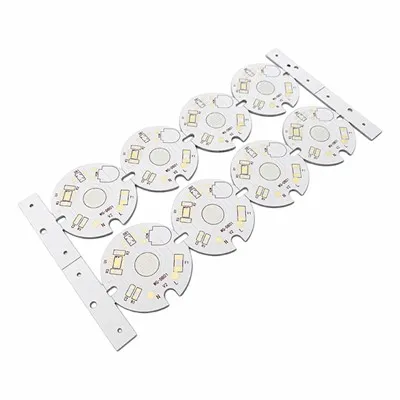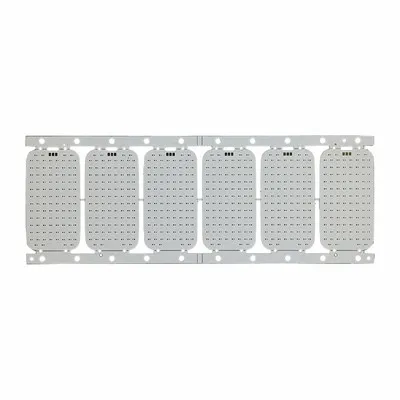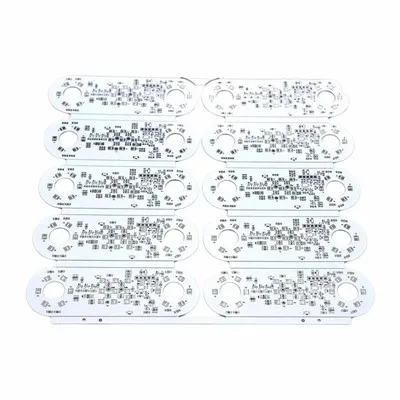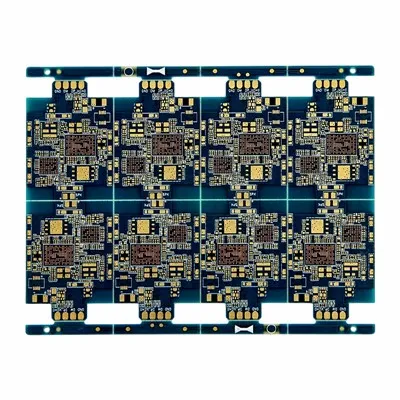
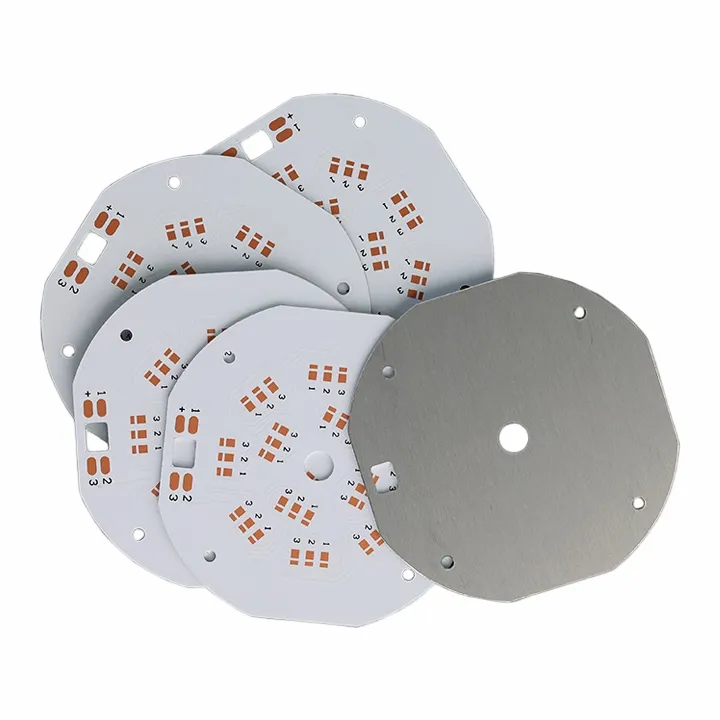
Automotive electronics are increasingly compact, powerful, and heat-sensitive. From vehicle lighting and power control modules to sensors, EV-related systems, and control units, the PCB must support stable electrical performance, strong thermal management, reliable insulation, and long-term durability. Compared with standard FR4 boards, aluminum-based PCBs offer better heat spreading and mechanical support, making them suitable for automotive products that operate under high temperature, vibration, and continuous electrical load.
Our Automotive Aluminum Printed Circuit Board solutions are designed to help customers solve common pain points such as overheating, voltage drop, poor solderability, insufficient insulation, vibration-related failure, unstable brightness, and inconsistent batch quality. We support automotive lighting modules, headlights, tail lights, DRL, interior lighting, power control boards, EV-related modules, sensors, and other vehicle electronic applications.
For automotive customers, the key concern is not only whether the board can be produced, but whether it can remain stable after long-term operation, thermal cycling, vibration, and mass production. That is why we focus on material selection, thermal performance, dielectric reliability, copper thickness control, surface finish quality, and strict inspection before shipment.
Heat Dissipation
Heat dissipation is one of the most important requirements for automotive aluminum PCBs. Many vehicle electronic products generate heat during operation, especially LED lighting, power modules, and compact control systems. If heat cannot be transferred away efficiently, components may age faster, LED brightness may decrease, solder joints may become weak, and the final product may fail earlier than expected.
An aluminum-based PCB provides a better thermal path by transferring heat from the copper circuit layer through the dielectric layer to the aluminum substrate. This helps reduce local temperature rise and supports more stable long-term operation. For headlights, tail lights, daytime running lights, and high-power modules, effective heat dissipation can directly improve reliability and product lifetime.
Customers often ask whether the board can handle their working current, power level, and installation environment. We can help review LED power, circuit width, copper thickness, dielectric material, and board thickness to recommend a practical thermal solution.
Thermal Conductivity
Thermal conductivity affects how quickly heat moves from components to the aluminum base. For automotive products, this is especially important because many modules are installed in enclosed or high-temperature environments. A board with poor thermal conductivity may pass a short functional test but fail during long-term use.
The dielectric layer is the key structure in an aluminum PCB. It must transfer heat while maintaining electrical insulation between the copper circuit and the metal base. Different applications require different thermal conductivity levels. Standard automotive lighting may use a balanced material structure, while high-power lighting or EV-related electronics may require better thermal performance.
|
Application |
Main Customer Concern |
PCB Focus |
|
Headlights |
High heat, long service life |
High thermal conductivity and stable insulation |
|
Tail lights / DRL |
Brightness consistency, batch stability |
Copper thickness and white solder mask control |
|
Interior lighting |
Appearance, cost control |
Surface finish and solder mask consistency |
|
Power control modules |
Current capacity, thermal stress |
Copper thickness and dielectric reliability |
|
EV-related modules |
Safety, heat, long-term operation |
Insulation strength and thermal stability |
|
Sensors and control boards |
Compact size, stable function |
Dimensional accuracy and process consistency |
Current Stability
Current stability directly affects heat generation, brightness consistency, and electrical reliability. If the copper thickness is too low, or if the trace width is not suitable for the working current, the board may generate extra heat, cause voltage drop, or lead to unstable product performance.
For automotive lighting products, current instability may cause uneven brightness or shorter LED lifetime. For power-related vehicle modules, insufficient current capacity can affect long-term safety and function. A suitable copper thickness, optimized routing design, and stable manufacturing process help reduce these risks.
When developing an Automotive Aluminum Base PCB, customers should consider working current, voltage, power density, circuit length, and installation conditions. We can support copper thickness and routing recommendations based on the real application instead of using a one-size-fits-all design.
Thermal Stability
Automotive environments often include temperature changes, thermal cycling, and long operating hours. A PCB used in vehicle electronics must remain stable under these conditions. Customers often worry about delamination, solder joint fatigue, dielectric aging, solder mask discoloration, or performance change after repeated heating and cooling.
Thermal stability depends on material structure, dielectric quality, copper adhesion, solder mask performance, and surface finish. For lighting products, the board may be exposed to constant heat from LED components. For power modules, the thermal load may change during operation. A stable aluminum PCB structure helps reduce long-term reliability risks.
We pay attention to material matching, copper bonding, dielectric layer quality, and final inspection to help customers achieve stable performance in demanding automotive applications.
Insulation Safety
Insulation safety is critical because aluminum is conductive. The dielectric layer must isolate the copper circuit from the aluminum base while still transferring heat. If insulation performance is poor, customers may face breakdown risks, leakage current, short circuits, or safety failures.
Automotive customers often care about dielectric strength, insulation resistance, creepage distance, clearance, and safe spacing. For high-power or higher-voltage applications, insulation design should be reviewed before production. This is especially important for automotive lighting, EV-related electronics, and power control modules.
A reliable aluminum PCB should balance thermal conductivity and electrical safety. Choosing only a high thermal conductivity material without considering dielectric strength may create long-term risks. We help customers select suitable dielectric materials according to voltage, power, and safety requirements.
Vibration Resistance
Vehicle electronics must operate under vibration and mechanical stress. Even if the circuit works well during initial testing, long-term vibration may affect solder joints, mounting holes, components, or connection areas. Customers often worry about solder cracks, loose connections, board deformation, and hidden failures after the product is installed in a vehicle.
Aluminum PCBs provide good mechanical support, but the final reliability also depends on board flatness, mounting hole accuracy, surface finish, soldering quality, and component layout. For vehicle lighting modules and control boards, proper design and manufacturing control help reduce vibration-related risks.
We focus on dimensional consistency, routing accuracy, drilling quality, solder mask adhesion, and surface finish stability to support reliable installation and long-term use.
Solderability
Solderability affects SMT assembly yield and long-term product reliability. Automotive aluminum PCBs often need to mount LEDs, resistors, capacitors, connectors, and power components. Poor solderability may cause weak solder joints, poor wetting, component shifting, solder cracks, or rework.
Surface finish selection is important. Lead-free HASL is commonly used for standard lighting products because it is practical and cost-effective. ENIG provides a flat surface and is suitable for fine-pitch or higher-reliability applications. OSP may be considered for cost-sensitive production when storage and assembly conditions are well controlled.
For an Automotive LED Aluminum PCB, solderability is closely related to LED placement accuracy, brightness stability, and long-term lighting reliability. We control pad quality, solder mask opening, surface cleanliness, and packaging protection to help customers improve assembly consistency.
Material Selection
Material selection should match the product's power, temperature, voltage, assembly method, and cost target. Automotive customers often ask which aluminum thickness, copper thickness, dielectric material, and surface finish should be selected. The best choice depends on the actual application rather than the highest specification.
|
Material / Structure |
Function |
Customer Benefit |
|
Copper Circuit Layer |
Conducts current and forms component pads |
Supports stable electrical performance |
|
Thermal Dielectric Layer |
Transfers heat and provides insulation |
Balances heat dissipation and safety |
|
Aluminum Base |
Spreads heat and provides support |
Improves durability and mechanical stability |
|
Thick Copper Option |
Supports higher current |
Reduces voltage drop and local heating |
|
White Solder Mask |
Improves appearance and reflection |
Suitable for visible lighting boards |
|
ENIG Surface Finish |
Flat and reliable soldering surface |
Suitable for fine-pitch or premium modules |
The right material structure can help customers avoid overheating, insulation failure, soldering defects, and unnecessary cost.
Strict Quality Control
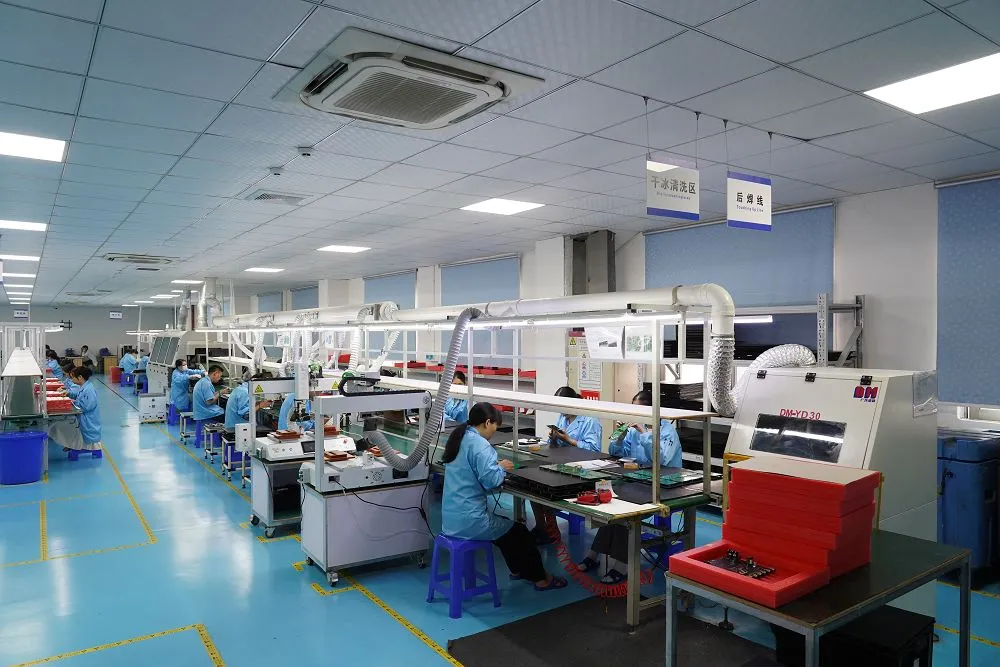
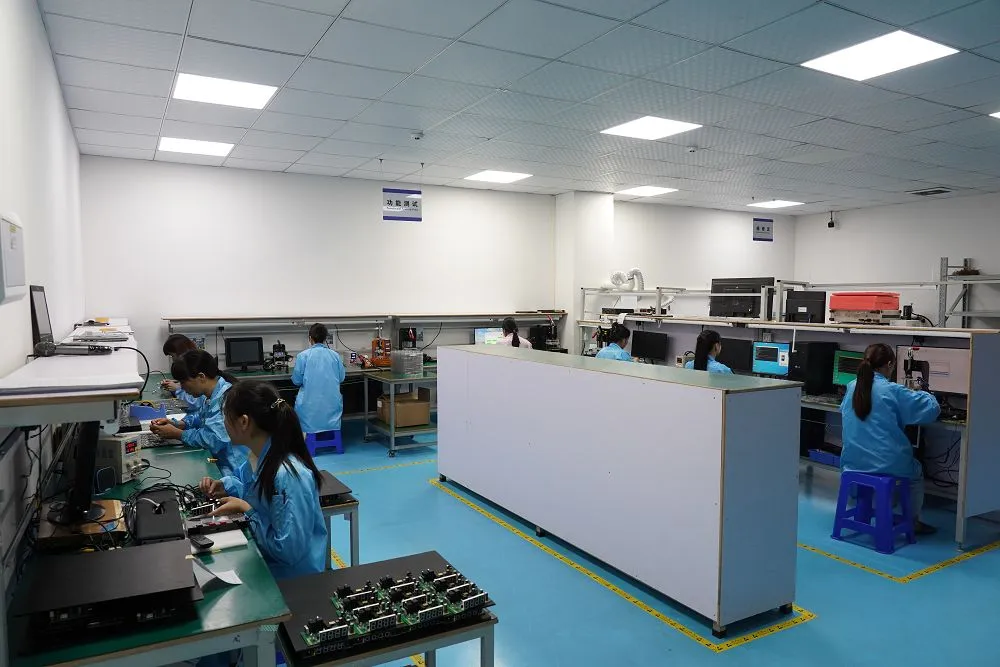
Strict quality control is essential for automotive aluminum PCBs because failures may cause product returns, warranty costs, or system instability. Inspection should cover not only open and short circuits, but also thermal dielectric quality, copper thickness, solder mask condition, surface finish, dimensions, insulation performance, and batch consistency.
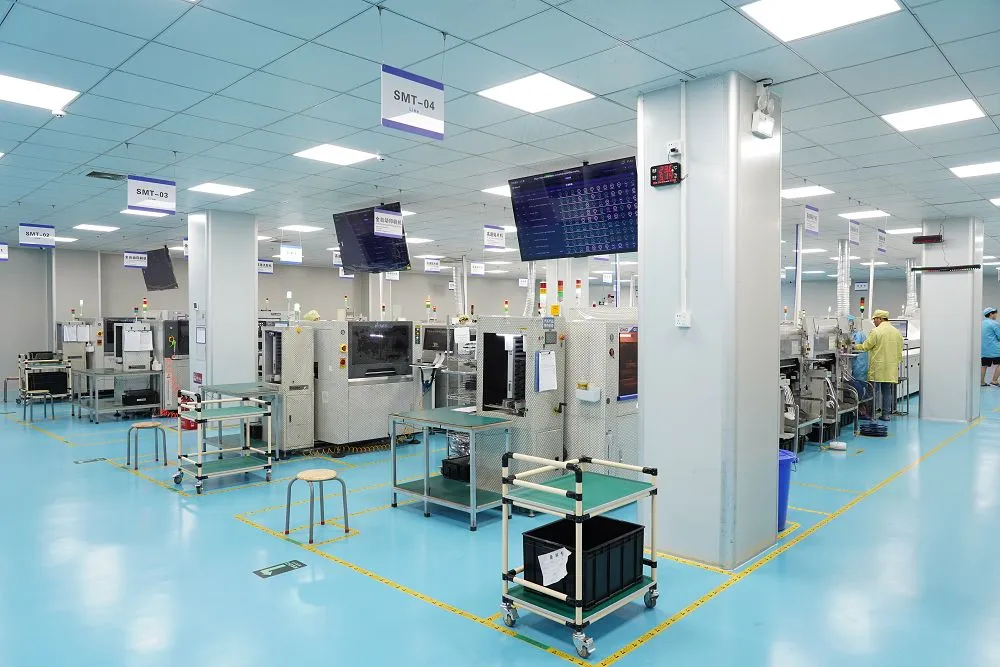
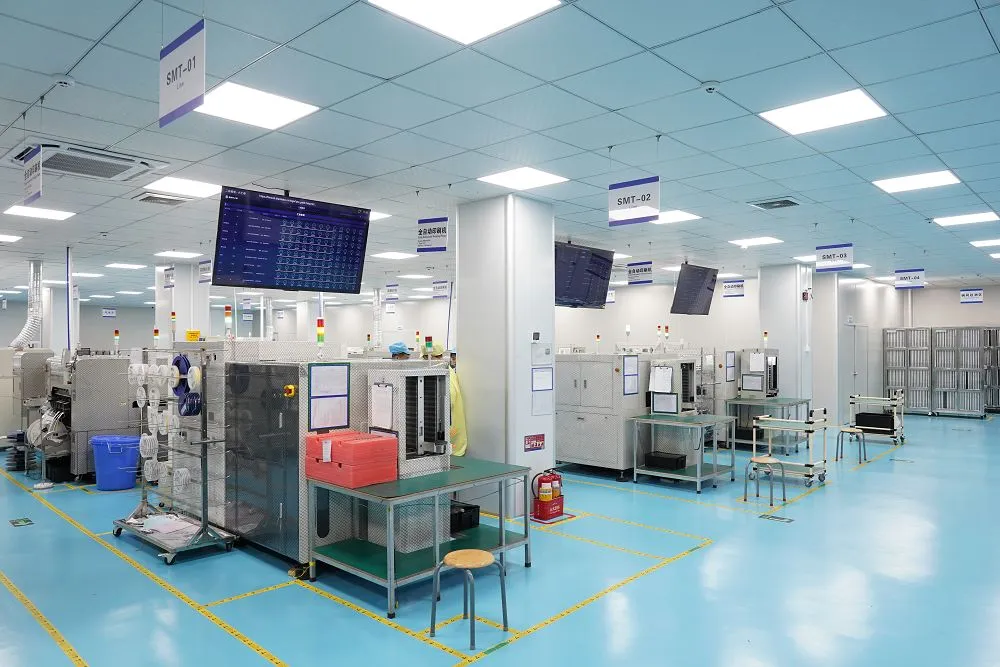
Our quality control can include incoming material inspection, copper thickness control, dielectric layer inspection, solder mask inspection, surface finish inspection, AOI inspection, electrical testing, dimensional inspection, visual inspection, insulation testing if required, and final packaging protection.
For repeat orders, stable process control and batch records help customers maintain consistent performance from prototype to mass production.
FAQ
Q1: Why are aluminum PCBs used in automotive electronics?
They provide better heat dissipation and mechanical support than many standard boards, making them suitable for vehicle lighting, power control, sensors, and heat-sensitive automotive modules.
Q2: What affects the thermal performance of an aluminum PCB?
Thermal performance depends on copper thickness, dielectric thermal conductivity, dielectric thickness, aluminum base thickness, component layout, and the final mounting structure.
Q3: Why is insulation safety important?
Because aluminum is conductive, the dielectric layer must safely isolate the copper circuit from the metal base while still transferring heat.
Q4: Which surface finish is suitable for automotive aluminum boards?
Lead-free HASL is practical for standard products, ENIG is suitable for fine-pitch or high-reliability designs, and OSP can be used for cost-sensitive projects with controlled assembly conditions.
Q5: Can aluminum PCBs support high-power automotive lighting?
Yes, but copper thickness, dielectric strength, thermal conductivity, board thickness, LED layout, and heat sink design should be reviewed carefully.
Hot Tags: automotive aluminum PCB, China automotive aluminum PCB manufacturers, suppliers, factory