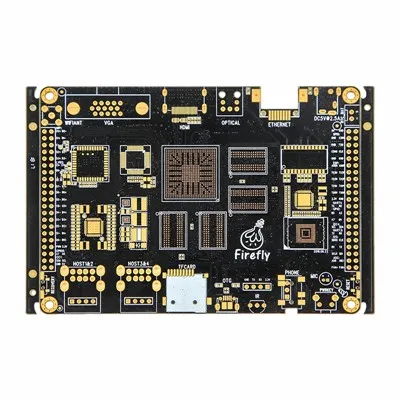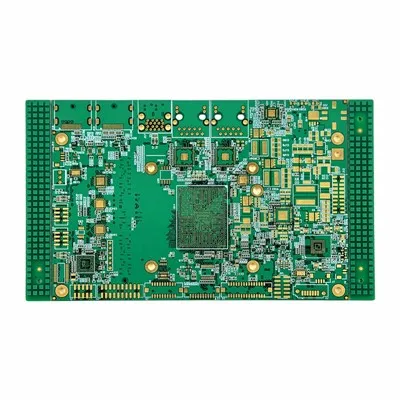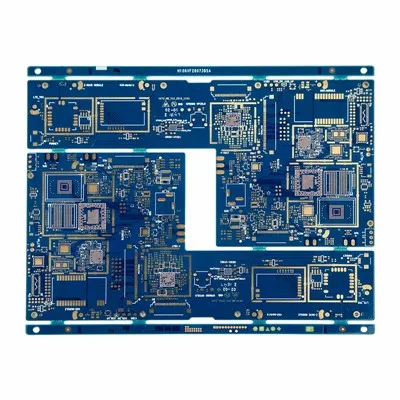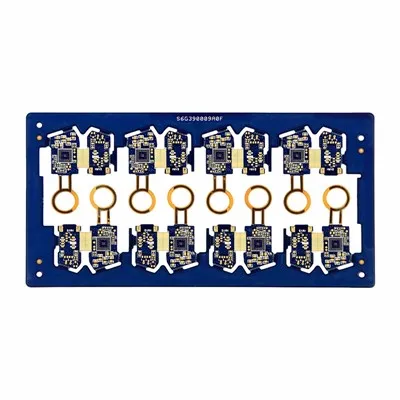
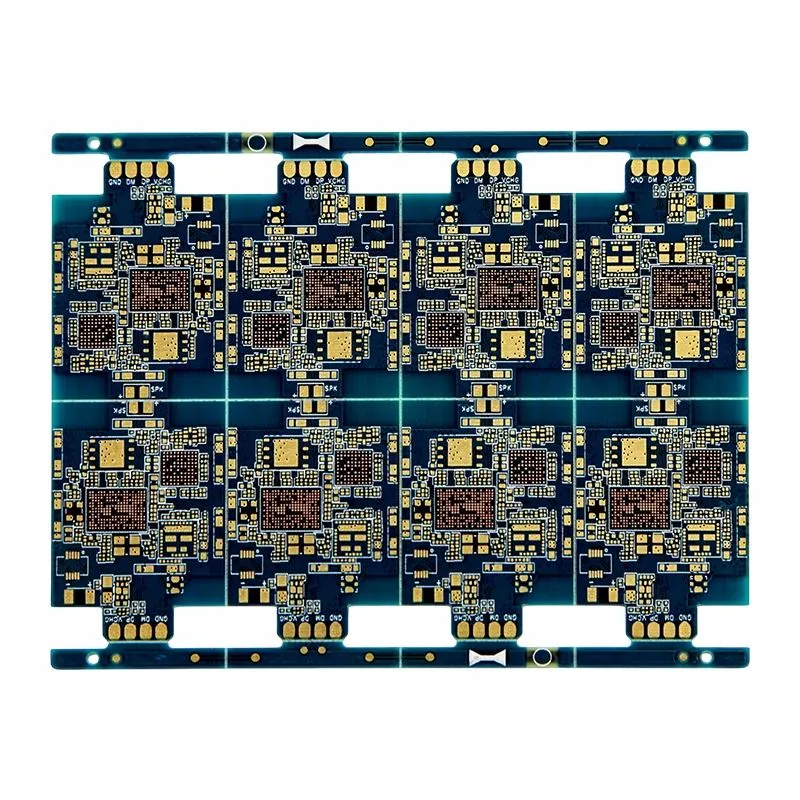
Consumer electronics are widely used in smart home devices, wearable electronics, Bluetooth products, wireless audio devices, charging products, remote controls, handheld electronics, LED consumer products, personal care electronics, and compact IoT modules. These products often require small PCB size, dense component placement, stable wireless performance, clean appearance, cost control, and repeatable production quality.
Our PCB Assembly for Consumer Devices service is designed for customers who need reliable assembly support for compact and high-volume electronic products. For consumer electronics customers, the main concern is not only whether components can be mounted on the board. They want to know whether small components can be placed accurately, whether solder joints are stable, whether USB or Type-C connectors are strong enough, whether wireless modules can work reliably, whether firmware can be programmed, whether functional testing can be arranged, and whether future batches can maintain the same quality.
Consumer electronics markets change quickly. A delayed prototype may affect product launch. A poor solder joint may cause charging failure. A weak connector may create after-sales complaints. An unstable wireless module may affect user experience. A low-cost but unreliable component may increase failure rates in mass production. That is why our assembly process focuses on BOM review, high-density SMT assembly, connector reliability, functional testing, appearance control, cost balance, and batch consistency.
Solving Compact Design, Sourcing, and Assembly Risks
Consumer electronics are often designed to be smaller, thinner, and more functional. This creates real manufacturing challenges. Boards may include fine-pitch ICs, QFN, BGA, small SMD components, USB or Type-C connectors, buttons, LEDs, wireless modules, charging circuits, microphones, speakers, sensors, display connectors, and battery-related components. If placement accuracy or soldering quality is not controlled well, customers may face weak connections, unstable charging, wireless failure, button malfunction, poor audio output, or high rework rates.
Component sourcing is another major concern. Consumer products are sensitive to both cost and delivery time. Customers may worry about unavailable components, long lead time parts, package mismatch, price changes, high MOQ, or unsuitable alternatives. BOM review helps identify these risks before production. It can check part numbers, package types, footprint matching, stock availability, lead time, and possible replacement options.
However, cost control should not mean choosing the cheapest components blindly. A low-cost but unstable component may cause functional failure, poor user experience, or product returns. For consumer electronics, the better approach is to balance cost, quality, supply stability, and product positioning. Approved alternatives can be discussed when needed, but they should be confirmed before production.
|
Project Area |
Customer Pain Point |
Assembly Focus |
|
Compact PCB Design |
Limited board space and dense components |
Fine-pitch SMT placement and process control |
|
BOM Review |
Components may be unavailable, expensive, or mismatched |
Check package, stock, lead time, and alternatives |
|
Connector Assembly |
USB, Type-C, buttons, and ports may loosen |
Strong soldering and final inspection |
|
Wireless Modules |
Bluetooth, WiFi, or RF function may be unstable |
Accurate placement and functional testing |
|
Charging Circuit |
Charging failure may affect user experience |
Power-related component assembly and testing |
|
Appearance Quality |
Visible defects may affect product image |
Clean handling, visual inspection, and packaging |
|
Mass Production |
Sample quality may not repeat in batch orders |
Process records and batch consistency control |
A reliable consumer electronics assembly supplier should help customers reduce early project risks while preparing for stable repeat production.
BOM Review and Cost Control
BOM review is very important for consumer electronics because the product usually needs to balance performance, cost, supply stability, and delivery schedule. If a key IC, wireless module, charging chip, connector, or sensor is unavailable, the entire project may be delayed. If an alternative part is selected without proper confirmation, it may affect function, firmware compatibility, mechanical fit, or final product reliability.
A practical BOM review can include part number checking, package verification, footprint comparison, stock availability, price review, long lead time risk, and alternative component discussion. For mass production projects, BOM version control is also important. If approved components or substitutes are not recorded clearly, future batches may become inconsistent.
For consumer products, cost optimization should be practical. The goal is not simply to reduce unit price, but to reduce total project risk. A stable component source, suitable surface finish, reliable connector, and clear testing method can reduce rework, improve production yield, and lower after-sales costs.
High-Density SMT Assembly
High-density SMT assembly is one of the most important parts of consumer electronics PCBA. Many consumer products use compact layouts and small components to save space. This requires accurate solder paste printing, stable placement, suitable reflow control, and inspection after assembly.
Fine-pitch ICs and small SMD parts must be placed accurately to avoid bridging, tombstoning, weak joints, or component shift. QFN and BGA components may require additional inspection because some solder joints are hidden. Wireless modules and communication components should be assembled carefully because placement and soldering quality can affect product performance.
For products such as wearable devices, smart home modules, Bluetooth audio products, and handheld electronics, even small assembly defects can affect charging, connection, button response, sound output, display function, or wireless communication. That is why process control should be considered from prototype to mass production.
Connector, Button, and Port Reliability
Consumer electronics often include USB ports, Type-C connectors, charging interfaces, battery connectors, FPC connectors, buttons, switches, audio jacks, display connectors, and wireless antenna connectors. These parts may experience repeated plugging, pressing, vibration, or mechanical stress during daily use.
Customers often worry that the product works at first but later fails because of weak connector soldering or poor mechanical stability. A charging port failure, button failure, or loose connector can directly affect user experience and increase return rates. For this reason, connector alignment, solder joint strength, pad design, and final inspection are important.
Good assembly control helps reduce common problems such as loose ports, poor contact, weak button response, unstable charging, and intermittent connection issues.
Improving Function, Appearance, and Batch Consistency
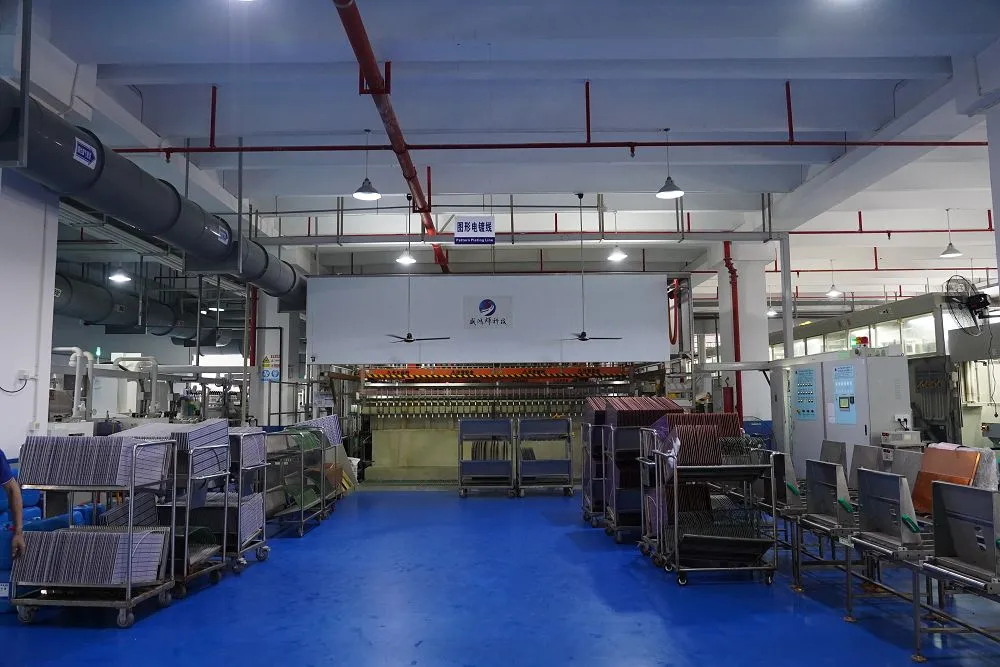
Consumer electronics customers usually care about both function and appearance. A PCBA may work electrically but still create problems if the connector is not aligned, the board is dirty, the USB port is weak, the LED position is inconsistent, or the board does not fit into the product housing. Since many consumer products are assembled into compact enclosures, even small dimensional or placement issues can affect final product assembly.
Our Electronics Assembly for Consumer Products support focuses on practical production concerns such as SMT accuracy, connector strength, soldering consistency, clean handling, firmware programming, and functional verification. For products with software, programming can be arranged before testing. For products with buttons, LEDs, wireless modules, charging ports, speakers, microphones, motors, sensors, or displays, functional testing can help confirm whether the PCBA is suitable for the next assembly stage.
Appearance control is also important. Consumer electronics often require clean PCB surfaces, neat solder joints, correct labeling, no visible contamination, and proper packaging. Flux residue, solder balls, scratches, fingerprints, or connector damage may affect both product quality and customer confidence.

|
Testing / Quality Item |
Purpose |
Customer Benefit |
|
Incoming Inspection |
Checks PCB and component condition before production |
Reduces material-related defects |
|
AOI Inspection |
Detects missing parts, wrong parts, polarity errors, and solder defects |
Improves assembly accuracy |
|
X-ray Inspection |
Checks BGA, QFN, and hidden solder joints if required |
Reduces hidden soldering risks |
|
Electrical Check |
Detects open circuits, short circuits, and basic connection issues |
Helps avoid obvious failures |
|
Firmware Programming |
Loads product firmware or test software |
Supports functional verification |
|
Functional Testing |
Checks charging, buttons, LEDs, wireless, display, or audio function |
Reduces customer-side debugging |
|
Visual Inspection |
Checks cleanliness, soldering, labels, and connectors |
Improves product appearance and assembly readiness |
|
Final Packaging |
Protects PCBA during shipping and handling |
Reduces transport damage |
Testing requirements should be confirmed before production. Some customers only need assembled boards for internal testing, while others need more complete checks before shipment. Functional testing is especially valuable for consumer electronics because many defects are only found when the product is powered and operated.
Functional Testing and Firmware Programming
Many consumer electronic products include firmware, wireless communication, charging control, LED indication, button input, audio output, display function, motor vibration, or sensor response. Visual inspection alone cannot confirm whether these functions work correctly.
Functional testing can be arranged according to customer-provided procedures, fixtures, firmware, or test software. For example, a Bluetooth product may need pairing and audio checks. A charging product may need input and output testing. A remote control may need button response verification. A smart home device may need wireless communication and LED status checks.
Firmware programming also helps customers reduce later debugging work. If the board can be programmed before shipment, customers can move faster into product validation, enclosure assembly, or system testing.
Appearance and Cleanliness Control
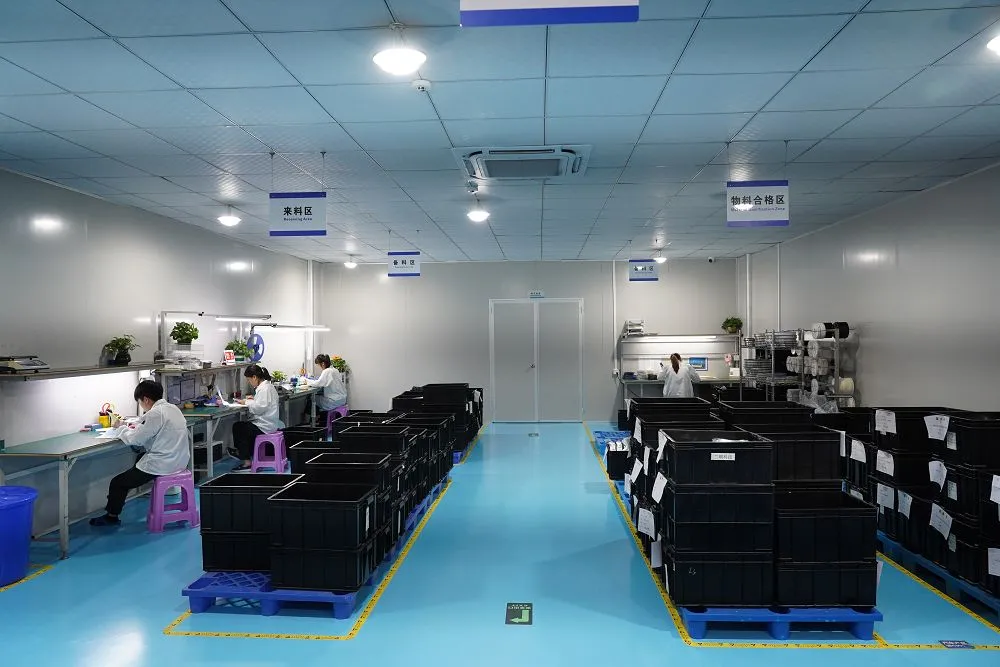
For consumer electronics, appearance can affect customer perception. Even if the PCBA is hidden inside the final product, cleanliness still matters because contamination, solder balls, or residue may affect insulation, connector contact, or long-term reliability.
Appearance control may include checking solder joint quality, component alignment, connector position, label accuracy, board cleanliness, and packaging protection. This is especially important for visible LED boards, transparent housings, audio products, handheld devices, and products that go directly into final assembly.
Clean handling and proper packaging help reduce scratches, contamination, oxidation, and shipping damage.

Application Areas
This service can support many consumer electronics products, including smart home devices, wearable electronics, Bluetooth speakers, wireless earbuds, remote controls, handheld devices, charging products, LED consumer products, personal care electronics, smart sensors, compact IoT devices, audio products, and portable electronic modules.
Different products have different priorities. Wearable electronics need small size, light weight, and stable soldering. Bluetooth products require wireless function and audio performance. Charging devices need power stability and connector reliability. Smart home products need wireless communication and long-term operation. Remote controls need button reliability and cost-effective production. LED products need stable placement and visual inspection.
A good assembly solution should match the final product requirement instead of using the same process for every project.
Quality Control and Final Delivery
Quality control should begin before assembly. File review, BOM checking, component verification, PCB inspection, solder paste control, placement accuracy, reflow monitoring, through-hole soldering, programming, functional testing, visual inspection, and packaging all affect final quality.
For consumer electronics, final delivery should consider both function and appearance. Clean boards, stable connectors, correct labels, safe packaging, and consistent batch quality help customers move smoothly into final product assembly and shipment.
The goal is to provide assembled boards that are not only functional, but also ready for real product integration and future production scaling.
FAQ
Q1: What files are needed for quotation?
Customers usually need to provide Gerber files, BOM, pick-and-place files, assembly drawings, quantity, and testing requirements. If firmware programming, functional testing, special packaging, or box build support is needed, these details should also be included. Complete files help improve quotation accuracy and reduce early production risks.
Q2: Can you support compact and high-density consumer electronics boards?
Yes. Consumer electronics often use small PCBs, fine-pitch ICs, QFN, BGA, small SMD components, wireless modules, USB ports, buttons, and LEDs. These designs require accurate SMT placement, stable soldering, and proper inspection.
Q3: Why is BOM review important?
BOM review helps identify unavailable parts, package mismatch, long lead time components, cost risks, and possible alternatives before production. This is important for consumer electronics because cost, supply stability, and delivery schedule all affect product launch.
Q4: Can functional testing be supported?
Yes. Functional testing can be arranged if customers provide test procedures, firmware, fixtures, or testing requirements. Depending on the product, testing may include charging, buttons, LEDs, wireless function, display, audio, sensor response, or basic power checks.
Q5: Can prototypes move into mass production?
Yes. Prototype builds can move into small-batch or mass production after approval. Clear BOM records, assembly notes, testing methods, substitute records, programming requirements, and inspection standards help future batches remain consistent with the approved sample.
Hot Tags: consumer electronics PCB assembly, China consumer electronics PCB assembly manufacturers, suppliers, factory