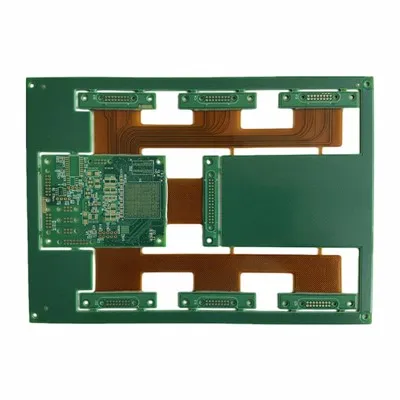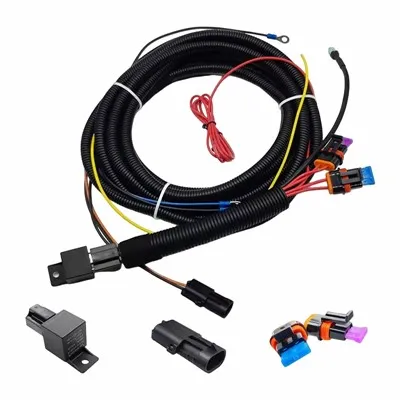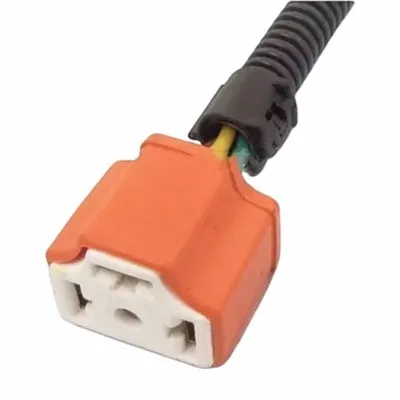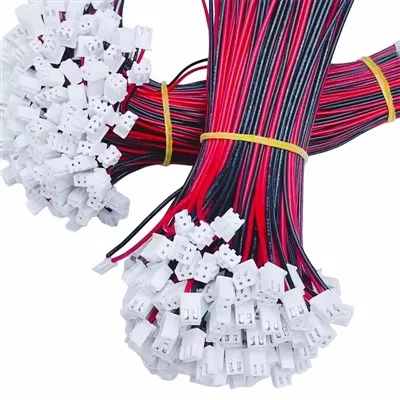
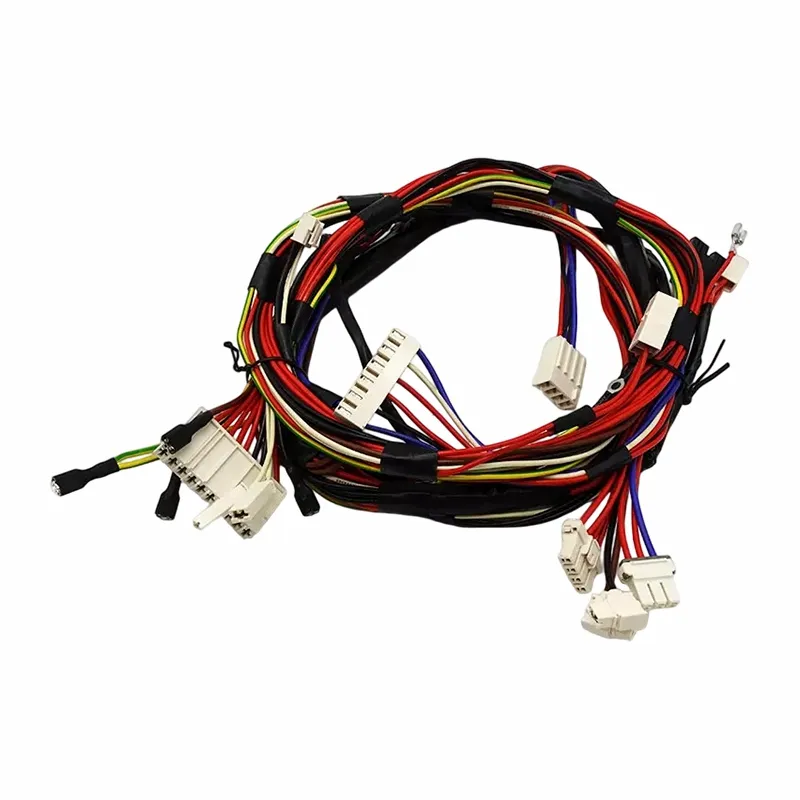
Industrial control systems usually work in demanding environments. Cables may be installed inside control cabinets, connected to PLC modules, routed between sensors and controllers, or used in automated machines, production lines, robotic systems, and motor control equipment. These applications often involve vibration, electrical noise, repeated movement, temperature changes, oil, dust, and long operating hours.
Our PLC Control Cable Assembly service is designed for customers who need stable cable connections for programmable logic controllers, I/O modules, sensors, actuators, relays, power supplies, and industrial communication devices. In these projects, customers usually care about more than basic conductivity. They want to know whether the connector matches the equipment, whether the pinout is correct, whether the cable can resist interference, whether the jacket is durable, whether the wire labels are clear, and whether each cable has been tested before shipment.
Industrial cable failures can cause serious problems. A loose connector may stop machine communication. A wrong pinout may damage a control module. Poor shielding may cause unstable sensor signals. A cable with weak strain relief may break after repeated movement. For this reason, industrial cable assembly should focus on reliable connection, signal integrity, mechanical durability, and quality control.
Reducing Wiring, Connector, and Signal Risks
One of the biggest pain points for industrial customers is wrong wiring. Control systems often include many signals, terminals, and device interfaces. If a cable is wired incorrectly, the machine may not start, the PLC may receive wrong input, an output may fail, or a sensor may send unstable data. Pinout verification and clear labeling help reduce these risks.
Connector reliability is also important. Industrial control cables may use M8, M12, circular connectors, D-sub connectors, terminal connectors, aviation plugs, RJ45 connectors, or customized interfaces. If the connector does not match the device or if the terminal contact is weak, the equipment may show intermittent faults. Connector fit, locking structure, terminal crimping, soldering quality, and strain relief should be controlled carefully.
Signal stability is another key concern. Industrial environments often include motors, drives, relays, power supplies, and communication devices that may generate electrical noise. Shielded cables, twisted pairs, proper grounding, and suitable cable structure can help reduce EMI interference and improve signal transmission. This is especially important for sensors, PLC I/O, RS485, CAN, Ethernet, encoder signals, and other control or data connections.
|
Project Area |
Customer Pain Point |
Assembly Focus |
|
Connector Matching |
Wrong connector may stop installation |
Confirm connector type, locking method, and mating fit |
|
Pinout Accuracy |
Wrong wiring may cause machine faults |
Verify wire sequence and circuit assignment |
|
Signal Transmission |
EMI may affect sensors or communication |
Use shielding, twisted pair, or suitable cable structure |
|
Wire Labeling |
Maintenance may be difficult without clear marks |
Add labels, cable tags, or printed wire numbers |
|
Cable Durability |
Movement or vibration may damage the cable |
Select durable jacket and strain relief design |
|
Control Panel Wiring |
Dense wiring may cause confusion |
Organize cables by function and terminal location |
|
Batch Consistency |
Repeat orders may differ from approved samples |
Maintain drawings, test records, and production standards |
A reliable industrial control cable assembly process should help customers avoid installation failure, reduce troubleshooting time, and improve equipment operation stability.
Custom Design and Material Selection
Most industrial cable projects require customization. Different machines and control systems may need different cable lengths, wire gauges, connector types, shielding structures, jacket materials, pinouts, labels, and packaging methods. A standard cable may not fit the equipment layout or signal requirement.
For control cabinet projects, cable routing and identification are especially important. Cables may connect PLC modules, terminal blocks, power supplies, relays, switches, HMI panels, sensors, and field devices. If labels are unclear or cable lengths are not suitable, installation and maintenance become more difficult.
Our Control Panel Cable Assembly support helps customers organize internal cabinet wiring and external equipment connections. Cable length, connector direction, label position, wire color, terminal type, and routing method can be customized according to panel layout or customer drawings. Clear cable identification helps technicians install, inspect, and maintain the system more efficiently.
Material and Protection Options
Industrial environments require stronger cable materials than ordinary electronics applications. Depending on the operating environment, customers may need PVC, PUR, TPU, TPE, oil-resistant jacket, abrasion-resistant cable, flexible cable, drag-chain cable, shielded cable, or waterproof connector options.
For fixed control cabinet wiring, flexibility and clear labeling may be the main priorities. For moving equipment, bending resistance and strain relief become more important. For sensor or outdoor equipment, waterproof connectors and protective sleeves may be needed. For motor or drive environments, shielding and EMI protection may be critical.
A suitable cable design should balance flexibility, durability, signal stability, installation space, and cost. Using the wrong jacket material or cable structure may lead to cracking, signal instability, insulation damage, or frequent replacement.
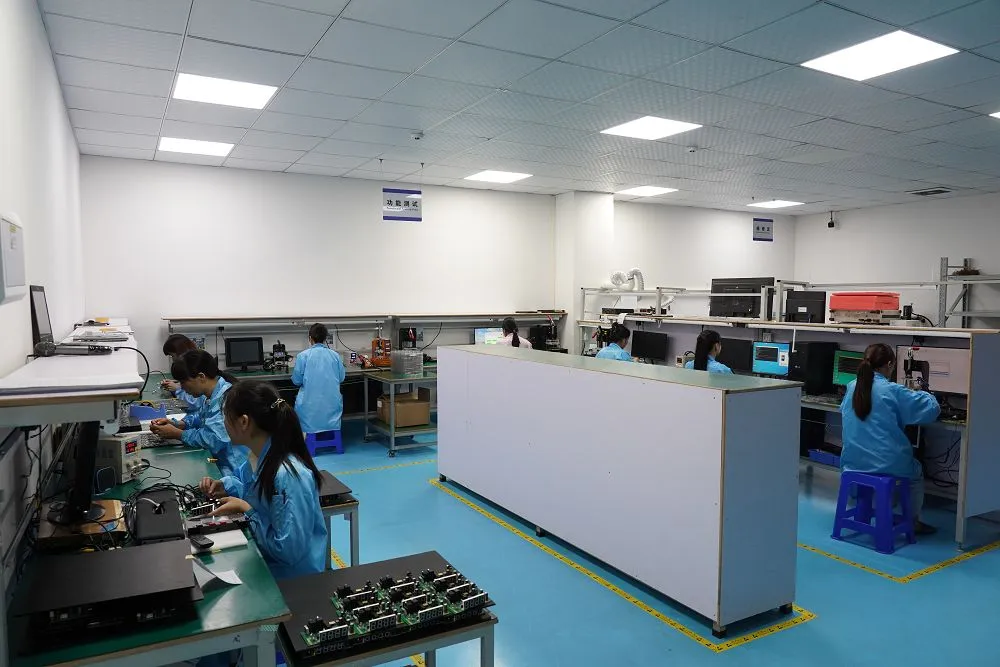
Improving Testing Confidence and Batch Production Stability
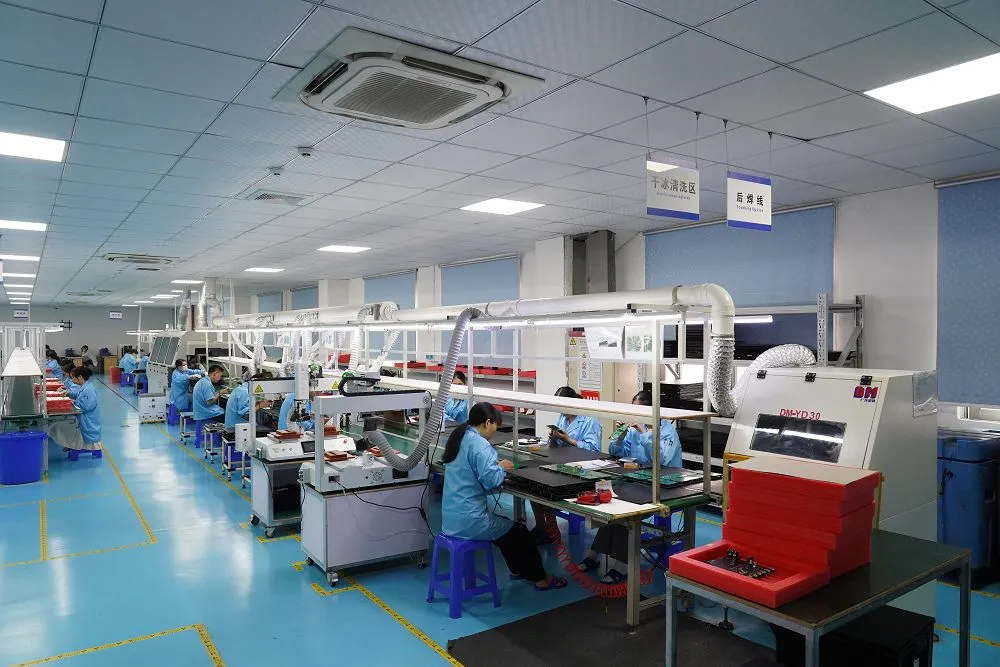
Industrial customers usually want cable assemblies that are ready for installation and reliable in operation. Visual inspection alone is not enough because many cable problems are hidden inside the connector or cable structure. A cable may look correct but still have an open circuit, short circuit, wrong pinout, poor shielding connection, weak terminal crimping, or insulation issue.
Testing should be planned according to the application. Basic cable assemblies may need continuity, short circuit, open circuit, and pinout checks. Signal cables may need shielding continuity checks. Power or higher-voltage cables may need insulation resistance or hipot testing when required. Cables used in moving equipment may need bending or flexing tests depending on customer requirements.
|
Testing / Inspection Item |
Purpose |
Customer Benefit |
|
Continuity Test |
Confirms each circuit is connected correctly |
Reduces non-working cable risk |
|
Short / Open Circuit Test |
Detects broken or unwanted connections |
Helps avoid electrical failure |
|
Pinout Verification |
Confirms connector wiring sequence |
Reduces wrong connection risk |
|
Insulation Resistance Test |
Checks insulation performance |
Supports electrical reliability |
|
Hipot Test |
Checks dielectric withstand if required |
Reduces high-voltage failure risk |
|
Shielding Check |
Confirms shield continuity if required |
Helps reduce signal interference |
|
Pull Force Test |
Checks terminal or connector strength |
Improves mechanical reliability |
|
Flexing / Bending Test |
Evaluates durability if required |
Reduces cable breakage risk |
|
Connector Fit Check |
Confirms mating and locking performance |
Improves equipment compatibility |
|
Final Visual Inspection |
Checks jacket, labels, connectors, and appearance |
Improves delivery consistency |
Our Automation Control Wiring Harness service is suitable for prototype validation, small-batch production, and long-term repeat orders. During the sample stage, customers can confirm connector fit, cable routing, pinout, label position, signal performance, and mechanical structure. After approval, production records can be maintained to keep future batches consistent.
Application Areas
Industrial control cable assemblies can be used in PLC systems, control cabinets, automation machines, industrial sensors, robotic equipment, motor control systems, conveyor systems, power control modules, testing instruments, machine tools, communication interfaces, and industrial monitoring devices.
Different applications have different priorities. PLC systems require accurate pinout and stable I/O connection. Control panels need clear labels and organized wiring. Sensor systems need stable signal transmission and shielding when required. Motor control systems need durable cables and secure connectors. Robotic or moving equipment may need flexible cable structures and strain relief. Industrial instruments may require stable signal quality and consistent testing records.
A good cable assembly solution should match the real working environment instead of using the same cable design for every project.
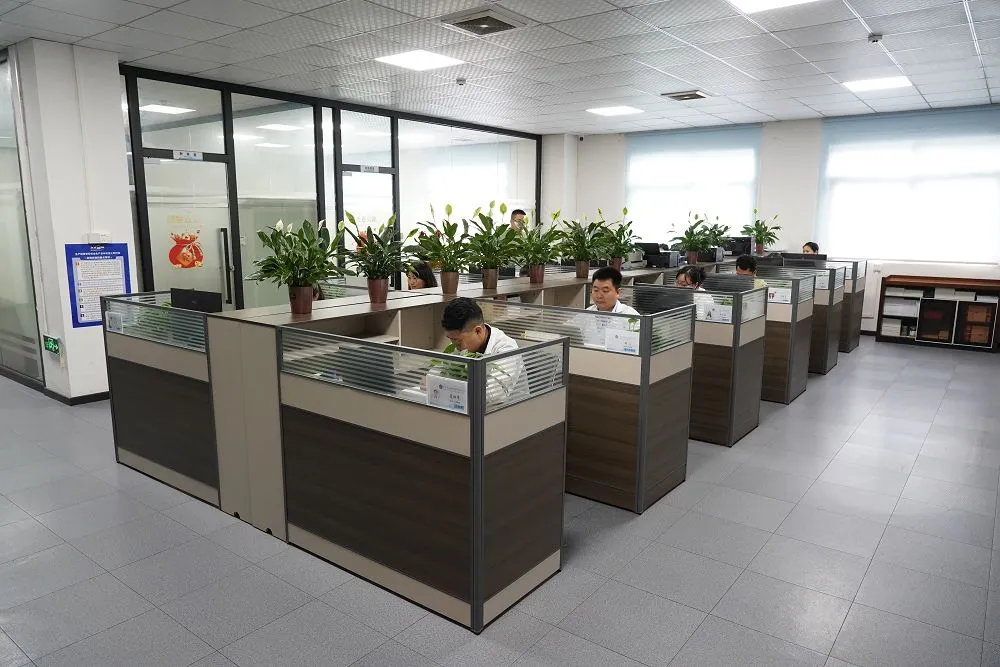
Prototype to Batch Production

Many industrial cable projects start with samples. During this stage, customers usually check cable length, connector type, pinout, label format, shielding structure, jacket material, and installation route. If the cable is too short, the connector direction is wrong, or the label position is inconvenient, changes can be made before batch production.
After sample approval, consistency becomes important. Cable specifications, connector models, pinout drawings, shielding methods, jacket materials, label requirements, testing standards, and packaging methods should be documented clearly. This helps repeat orders match the approved sample and reduces repeated communication.
For industrial equipment manufacturers, stable batch production means fewer installation problems, less downtime risk, and better long-term project control.
Quality Control and Final Delivery
Quality control should cover the full production process, including material checking, wire cutting, stripping, crimping, soldering, connector assembly, shielding preparation, labeling, strain relief, electrical testing, visual inspection, and packaging.
Final packaging should protect connectors, terminals, cable jackets, labels, and molded parts during transportation. For cables with many pins or special connectors, protective caps, labels, or individual packaging can help customers manage installation and incoming inspection more easily.
The final goal is to deliver cable assemblies that are electrically correct, mechanically reliable, clearly identified, and suitable for industrial control applications.
FAQ
Q1: What information is needed for quotation?
Customers usually need to provide drawings, samples, cable length, connector type, pinout, wire gauge, jacket material, shielding requirement, label requirement, quantity, testing standard, and packaging requirement. If the cable is used in a moving, oily, high-temperature, or high-interference environment, these details should also be provided.
Q2: Can industrial control cables be customized?
Yes. Cable length, connector model, pinout, shielding, wire gauge, jacket material, label position, strain relief, protective sleeve, packaging, and testing requirements can be customized according to drawings, samples, or equipment requirements.
Q3: Why is shielding important for industrial control cables?
Shielding helps reduce electromagnetic interference and signal noise. It is useful for sensors, PLC I/O, RS485, CAN, Ethernet, encoder signals, communication modules, motor control systems, and other industrial automation applications.
Q4: What cable jacket materials are commonly used?
Common options include PVC, PUR, TPU, and TPE. The final material should be selected according to flexibility, oil resistance, abrasion resistance, temperature conditions, movement frequency, and installation environment.
Q5: What tests are usually performed before shipment?
Common tests include continuity testing, short/open circuit testing, pinout verification, insulation resistance testing, hipot testing if required, shielding check if required, pull force testing, connector fit checking, bending or flexing tests if required, and final visual inspection.
Q6: Can samples move into batch production?
Yes. After the sample is approved, cable specifications, connector models, pinout, shielding structure, jacket material, labels, testing standards, and packaging methods can be recorded for stable batch production.
Hot Tags: industrial control cable assembly, China industrial control cable assembly manufacturers, suppliers, factory, Battery Cable Harness, cable harness, engine electrical harness, EV battery cable assembly, industrial machinery cable assembly, ultrasound cable assembly