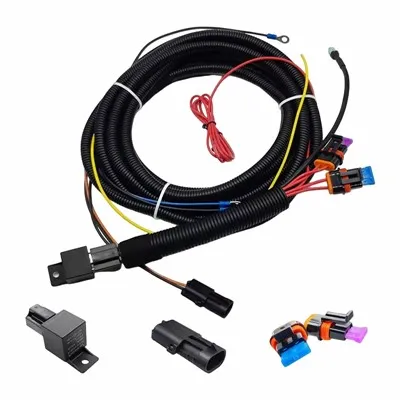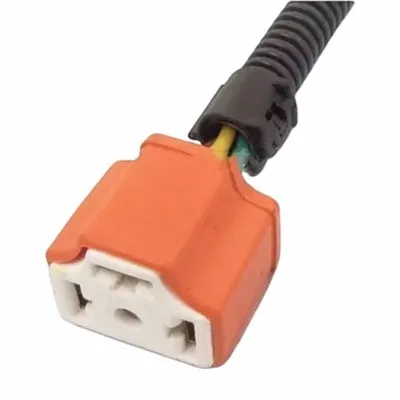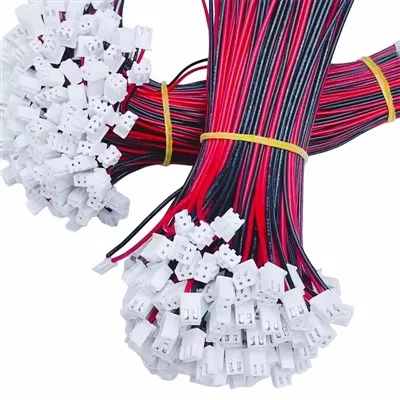
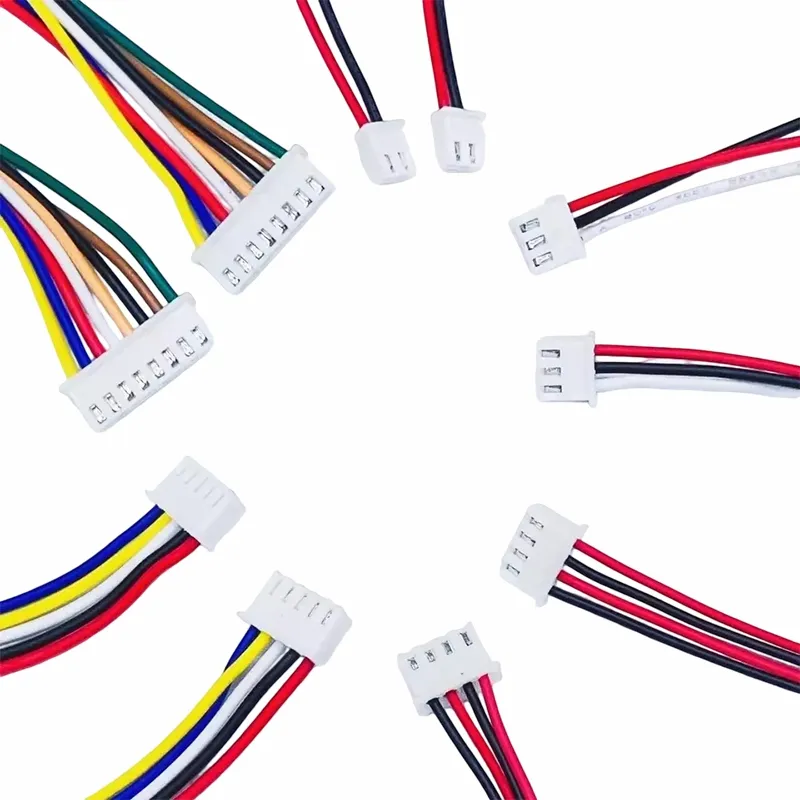
Vehicle battery systems require stable and safe power transmission. Whether the cable is used for a car battery, starter motor, alternator, EV accessory, power module, inverter, auxiliary power system, or industrial vehicle equipment, the cable must carry current reliably and remain safe under vibration, temperature changes, movement, and long-term operation.
Our Automotive Battery Cable Assembly service is designed for customers who need custom power connection solutions for automotive and vehicle battery applications. Compared with ordinary signal wires, battery power cables require stronger attention to conductor size, terminal contact quality, insulation strength, polarity marking, heat resistance, and electrical testing.
Customers usually care about several practical questions before placing an order: Is the wire gauge suitable for the current load? Will the cable overheat? Are the terminals crimped firmly? Is the cable length suitable for installation? Are positive and negative cables clearly identified? Is the insulation strong enough? Can protective sleeves, heat shrink tubing, or rubber boots be added? Has the cable been tested before shipment? Can the same design be produced consistently in future batches?
These concerns are important because battery cable failure can cause power loss, starting failure, unstable charging, voltage drop, terminal heating, short circuits, or equipment damage. A reliable supplier should help customers control these risks from design review to final delivery.
Reducing Current Load, Terminal, and Installation Risks
The first pain point in vehicle battery cable projects is current carrying capacity. If the cable gauge is too small, the conductor may heat under load, voltage drop may increase, and the connected device may not receive stable power. If the cable is oversized, the cost may increase and installation may become more difficult. The correct cable size should be selected according to current load, cable length, voltage requirement, temperature environment, installation space, and safety margin.
Terminal reliability is another key factor. Many battery cable failures happen at the terminal or connector area, not in the middle of the wire. Poor crimping may increase contact resistance, causing heat, power loss, intermittent operation, or open circuits. For vehicle applications, vibration and movement may also loosen weak connections over time. Therefore, terminal crimping, terminal material, contact surface, and pull force should be controlled carefully.
Installation fit is also important. A cable that is too short may create tension during installation. A cable that is too long may be difficult to route and may rub against metal edges or moving parts. Customers may also need specific terminal angles, ring sizes, cable colors, branch lengths, labels, or protective covers. A custom cable design helps improve installation efficiency and reduce field modification.
|
Project Area |
Customer Pain Point |
Manufacturing Focus |
|
Wire Gauge |
Cable may overheat or create voltage drop |
Select suitable conductor size according to load and length |
|
Cable Length |
Incorrect length may affect routing and installation |
Customize length based on vehicle layout or drawings |
|
Terminal Crimping |
Loose or weak crimp may cause poor contact |
Control crimping height, pressure, and pull force |
|
Terminal Type |
Wrong terminal may not fit battery or equipment |
Support ring terminals, lug terminals, fork terminals, and connectors |
|
Polarity Identification |
Positive and negative cables may be confused |
Use red/black color, labels, or polarity marks |
|
Insulation Protection |
Cable may face abrasion, heat, or moisture |
Add heat shrink, rubber boots, sleeves, or protective tubing |
|
Batch Consistency |
Repeat orders may differ from approved samples |
Maintain production records and approved specifications |
A reliable Car Battery Cable Harness should help customers reduce electrical risk before the cable is installed. The goal is not only to transmit power, but to transmit power safely and consistently in real vehicle environments.
Custom Design Capability
Different battery cable applications require different cable structures. A starter cable may need a larger conductor and strong terminal connection. An auxiliary power cable may need fuse protection and clear polarity marking. An EV accessory cable may need durable insulation and secure connectors. A battery pack cable may need compact routing, protective sleeving, and stable batch production.
Custom options can include wire gauge, cable length, conductor material, cable color, terminal type, ring hole size, terminal angle, connector model, heat shrink tubing, rubber boot, corrugated tube, braided sleeve, fuse holder, polarity label, serial label, and packaging method. If customers provide drawings, samples, installation photos, or electrical requirements, the cable can be produced according to the approved specification.
For high-current applications, it is important to consider not only the cable itself, but also the complete connection path. The conductor, terminal, crimping area, connector, insulation, and protection method should work together. A strong cable with a weak terminal will still create failure risk.
Terminal Crimping and Contact Reliability
Terminal crimping is one of the most important production steps. A good crimp should provide both electrical conductivity and mechanical strength. If the crimping area is too loose, resistance may increase. If the crimping process damages the conductor, the cable may become weak. If the terminal does not match the wire size, the connection may fail during vibration or current load.
For battery cables, common terminal options include ring terminals, copper lugs, fork terminals, quick connectors, battery connectors, and customized power connectors. The terminal should match the application current, installation position, screw size, and equipment interface.
To improve reliability, production should control stripping length, conductor insertion depth, crimping pressure, terminal position, heat shrink coverage, and final pull force. For cables used in vehicles or equipment with vibration, secure terminal connection is especially important.

Improving Insulation Safety, Protection, and Testing Confidence
Battery cables may be installed near engines, battery compartments, chassis areas, power modules, inverters, chargers, or auxiliary devices. These areas may involve heat, vibration, oil, moisture, dust, abrasion, and tight routing space. Without proper protection, the cable jacket may wear out, terminals may be exposed, or the circuit may face short-circuit risk.
Insulation and protection should match the final application. PVC cable may be suitable for many general power connections. Silicone cable may be useful when flexibility or heat resistance is required. XLPE cable may be considered for higher temperature or stronger insulation needs. Tinned copper wire may help improve corrosion resistance in certain environments. Protective options such as heat shrink tubing, braided sleeve, corrugated tube, rubber boot, waterproof connector, and protective sheath can improve durability and safety.

Testing is another major concern for customers. A battery cable may look correct but still have hidden problems such as poor crimping, wrong polarity, open circuit, short circuit, weak insulation, incorrect length, or missing label. Testing before shipment helps reduce installation risk and improves confidence in batch quality.
|
Testing / Inspection Item |
Purpose |
Customer Benefit |
|
Continuity Test |
Confirms the circuit is correctly connected |
Reduces non-working cable risk |
|
Short Circuit Test |
Detects unwanted contact between conductors |
Helps prevent electrical failure |
|
Open Circuit Test |
Finds broken or disconnected circuits |
Avoids power interruption |
|
Polarity Check |
Confirms positive and negative wiring |
Reduces reverse connection risk |
|
Pull Force Test |
Checks terminal crimping strength |
Improves connection reliability |
|
Insulation Resistance Test |
Checks insulation performance |
Supports electrical safety |
|
Hipot Test |
Checks dielectric withstand if required |
Reduces high-voltage failure risk |
|
Wire Length Check |
Confirms cable size matches requirements |
Improves installation fit |
|
Final Visual Inspection |
Checks terminals, labels, sleeves, and appearance |
Improves delivery consistency |
A professional Vehicle Battery Cable production process should combine suitable material selection, stable crimping, clear polarity marking, protective design, and electrical testing. This helps customers reduce failures after installation and supports safer long-term operation.
Application Areas
Custom battery power cables can be used in many vehicle and power-related applications, including car battery connections, starter motor cables, alternator cables, ground cables, EV accessories, battery pack connections, power distribution systems, inverters, chargers, solar battery systems, UPS equipment, industrial vehicles, robotics, and power modules.
Different applications have different priorities. Starter cables require strong current capacity and reliable terminal contact.
Ground cables require low-resistance connection and secure mounting. EV accessory cables may require better insulation and protection. Battery pack cables may need compact routing and polarity identification. Solar and outdoor battery systems may require waterproof protection and corrosion-resistant materials. Industrial equipment may need abrasion resistance and stable batch production.
A good cable solution should match the real application instead of using one general design for every project.
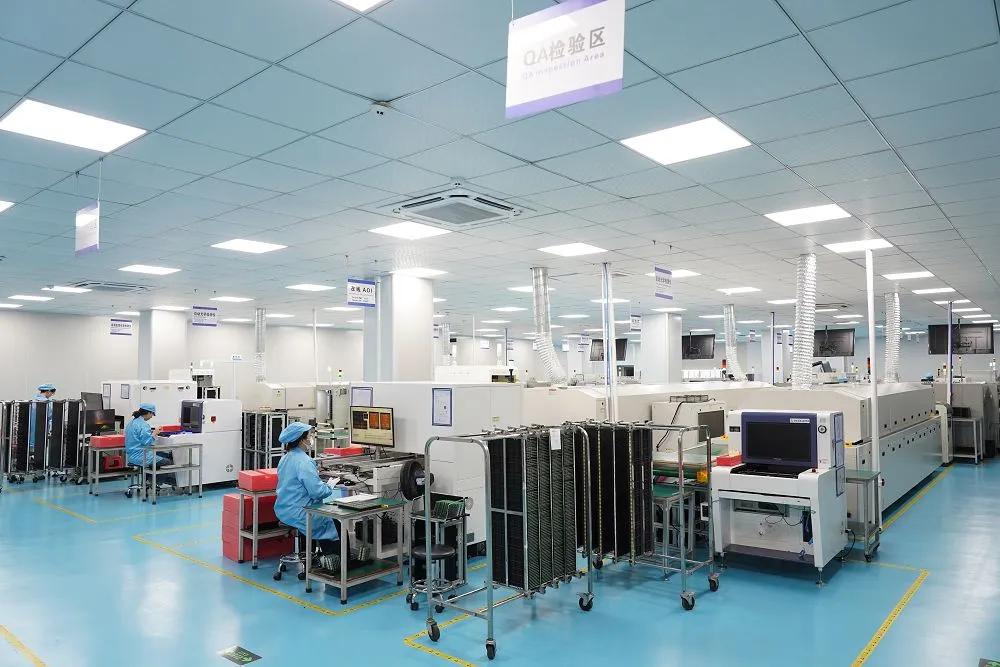
Prototype to Batch Production

Many battery cable projects begin with samples. During the sample stage, customers usually verify wire gauge, cable length, terminal type, ring hole size, connector fit, polarity marking, routing path, and protection method. If the cable is too short, the terminal angle is inconvenient, or the protective sleeve does not cover the right area, changes can be made before batch production.
After sample approval, production consistency becomes important. Wire specifications, conductor material, terminal models, crimping standards, cable colors, sleeve materials, polarity labels, testing methods, and packaging requirements should be documented clearly. These records help future batches match the approved sample and reduce repeated communication.
For customers with repeat orders, consistent cable quality helps reduce installation complaints, field failures, and inventory management problems.
Quality Control and Final Delivery
Quality control should cover the full production process, including material checking, wire cutting, stripping, terminal crimping, connector assembly, heat shrink application, sleeve installation, labeling, electrical testing, visual inspection, and packaging.
Final packaging should protect terminals, insulation, labels, and protective sleeves during transportation. For high-current cables or heavy terminals, proper bundling and packaging can reduce deformation, scratching, and terminal damage.
The final goal is to deliver battery power cables that are electrically safe, mechanically reliable, easy to install, and suitable for real vehicle and power system applications.
FAQ
Q1: What information is needed for quotation?
Customers usually need to provide drawings, samples, cable length, wire gauge, current requirement, terminal type, ring hole size, connector model, cable color, quantity, sleeve requirement, polarity label requirement, and testing standard.
Q2: Can battery cables be customized?
Yes. Wire gauge, cable length, terminal type, connector type, cable color, heat shrink tubing, protective sleeve, polarity marking, fuse holder, packaging, and testing requirements can be customized according to drawings, samples, or application needs.
Q3: How do I choose the correct wire gauge?
Wire gauge should be selected according to current load, cable length, voltage requirement, temperature environment, installation space, and safety margin. High-current applications usually require larger conductors and stronger terminals.
Q4: Why is terminal crimping important?
Terminal crimping affects contact resistance, heat generation, and mechanical strength. Poor crimping may cause overheating, voltage drop, intermittent power, or open circuits.
Q5: What protection options are available?
Common protection options include heat shrink tubing, rubber boots, corrugated tubes, braided sleeves, waterproof connectors, protective sheaths, and polarity labels. The best option depends on the installation environment.
Q6: What tests are usually performed?
Common tests include continuity testing, short circuit testing, open circuit testing, polarity checking, pull force testing, insulation resistance testing, hipot testing if required, wire length checking, and final visual inspection.
Hot Tags: battery cable harness, China battery cable harness manufacturers, suppliers, factory