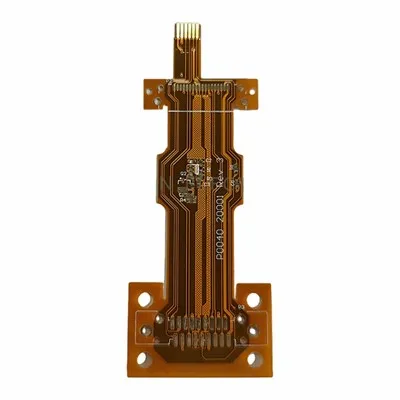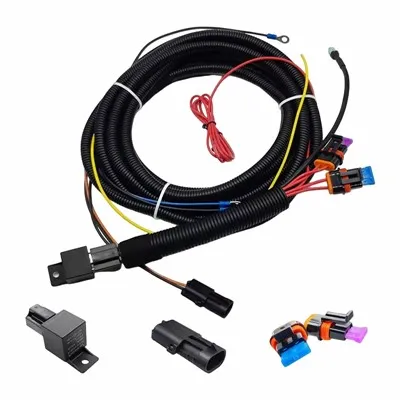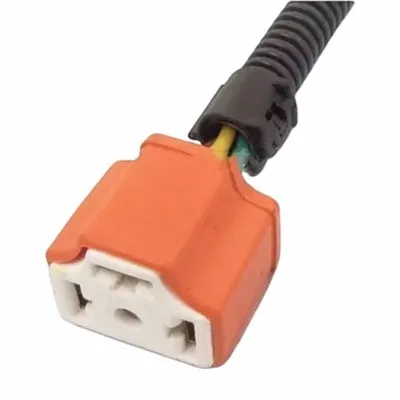
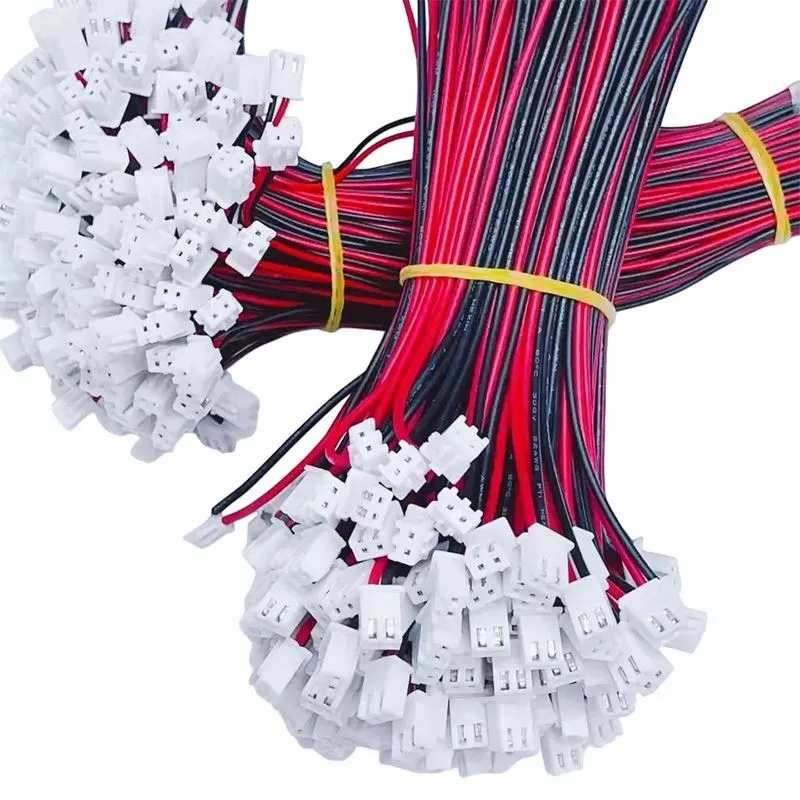
Engine electrical systems work in demanding environments. The harness may be routed around the engine block, firewall, ECU, sensors, ignition system, fuel injection system, alternator, starter motor, cooling fan, and relay box. These areas may involve heat, vibration, oil, moisture, dust, tight installation space, and repeated movement during vehicle operation.
Our Engine Electrical Harness service is designed for customers who need customized wiring solutions for engine control, repair, replacement, restoration, engine swap, aftermarket modification, and batch production projects. Compared with standard automotive wiring, engine harnesses require stronger heat resistance, accurate pinout, reliable connector locking, stable terminal crimping, clear wire identification, and complete electrical testing.
Customers usually care about several practical questions before ordering: Does the connector match the ECU or sensor interface? Is the pinout correct? Can the wire withstand engine bay heat? Are the terminals crimped firmly? Are the ignition, injector, starter, alternator, fan, and fuel pump circuits clearly identified? Can the harness be made according to drawings or samples? Has it been tested before shipment? Can the same design be repeated consistently in future batches?
These concerns are important because a small wiring issue may cause no-start problems, sensor error codes, unstable ignition, injector failure, poor charging, overheating circuits, intermittent connection, or difficult troubleshooting.
Reducing Connector, Pinout, and Engine Installation Risks
One of the biggest pain points in engine harness projects is connector compatibility. Engine systems include many different interfaces, such as ECU connectors, sensor plugs, injector connectors, ignition coil connectors, starter terminals, alternator plugs, relay sockets, and fuse connections. If one connector does not match the engine component or control module, installation may stop immediately.
Pinout accuracy is another critical factor. Engine circuits often include power supply, ground, signal wires, control wires, ignition circuits, injector control lines, sensor signals, and communication lines. If the pinout is wrong, the engine may fail to start, sensors may report incorrect data, injectors may not work properly, or the ECU may generate fault codes. For engine projects, wire sequence verification is not optional; it is a key quality control step.
Installation fit also matters. Engine compartments often have limited routing space. A wire branch that is too short may create tension. A branch that is too long may contact hot parts or moving components. Connector direction, branch length, sleeve position, clip location, and wire labels all affect installation efficiency and long-term reliability.
|
Project Area |
Customer Pain Point |
Manufacturing Focus |
|
ECU Connection |
Wrong connector or pinout may cause control failure |
Confirm ECU connector, terminal, and circuit assignment |
|
Sensor Wiring |
Incorrect signal wiring may cause fault codes |
Verify sensor connector and signal wire sequence |
|
Injector / Ignition Wiring |
Poor connection may affect engine performance |
Use stable crimping and heat-resistant protection |
|
Starter / Alternator Wiring |
Current load may be high |
Select suitable wire gauge and terminal type |
|
Fuse / Relay Circuits |
Lack of protection may cause circuit risk |
Add fuse holder, relay socket, or circuit protection if required |
|
Engine Routing |
Heat and tight space may damage wires |
Customize branch length and protective sleeve location |
|
Batch Consistency |
Repeat orders may differ from approved samples |
Maintain production records and testing standards |
A reliable engine harness should help customers reduce installation risk before the product reaches the vehicle. It should be designed according to the actual engine system, not treated as a simple wire bundle.
Custom Manufacturing Capability
Different engine projects require different harness structures. A repair project may need replacement connectors and original routing. An engine swap project may need custom branch lengths, ECU pinout adjustment, and clear labels. A classic car restoration project may need a complete new harness with modern protection. An aftermarket performance project may need custom sensor, ignition, fuel pump, fan, and relay circuits.
Custom options can include wire length, wire gauge, wire color, connector type, terminal type, ECU plug, sensor connector, injector connector, ignition coil connector, fuse holder, relay socket, cable branch layout, heat shrink tubing, corrugated tube, braided sleeve, printed labels, cable tags, and packaging method.
Our Engine Control Wiring Harness support helps customers organize power, ground, sensor, ignition, fuel injection, starter, alternator, cooling fan, and control circuits into a structured harness. If customers provide drawings, samples, wiring diagrams, ECU pinout information, or engine system requirements, the harness can be produced according to the approved specification.
Connector and Terminal Reliability
Connector and terminal reliability directly affects engine operation. Engine vibration, heat, and movement can make weak connections fail over time. A loose terminal may cause intermittent signal loss. Poor crimping may increase contact resistance and generate heat. A connector without secure locking may loosen during vehicle operation.
To improve reliability, production should control wire stripping length, terminal crimping height, conductor insertion depth, terminal locking, connector housing assembly, pin position, and pull force requirements. For engine harnesses, connector fit checking is also important because the harness must mate correctly with ECU, sensors, injectors, ignition coils, relays, and power devices.
For power circuits, terminal size and wire gauge must match the current requirement. For signal circuits, pinout accuracy and clean contact are more important. For high-temperature areas, protective boots, heat shrink tubing, corrugated tubes, or braided sleeves may be required to reduce long-term failure risks.
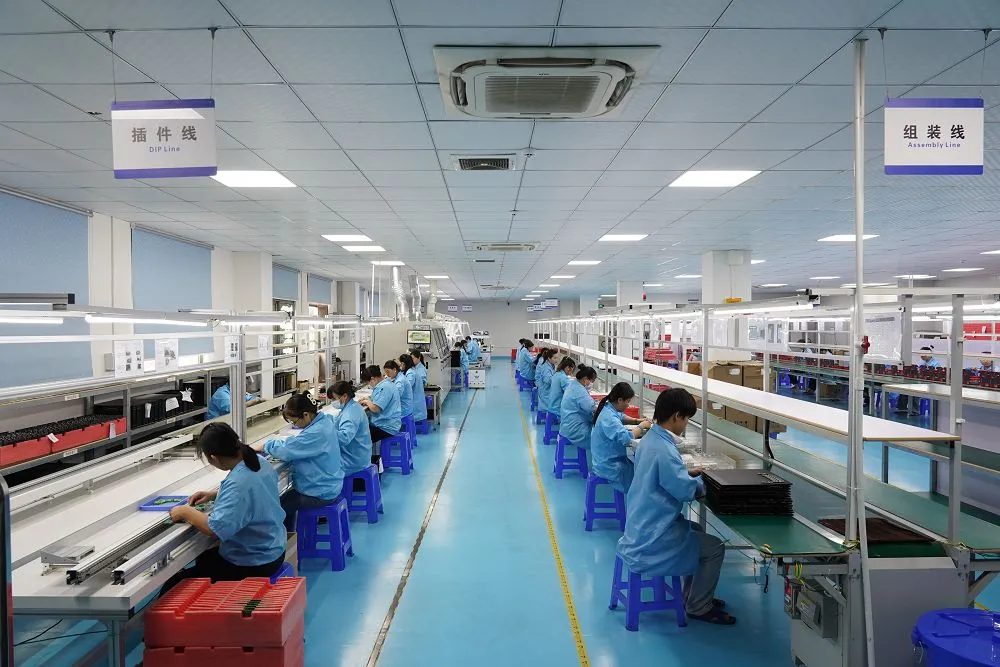
Improving Heat Resistance, Protection, and Testing Confidence
Engine compartments are harsher than many other vehicle areas. Wires may be routed near hot engine parts, sharp metal edges, oil, dust, vibration sources, and moving components. If the harness is not protected properly, the cable jacket may crack, insulation may wear out, terminals may loosen, or circuits may short.
Material selection should match the operating environment. Depending on the project, the harness may use heat-resistant wire, oil-resistant jacket options, copper or tinned copper conductors, protective wrapping, corrugated tubing, braided sleeve, heat shrink tubing, rubber boots, waterproof connectors, or other protective materials. The goal is to protect the harness from heat, abrasion, vibration, moisture, and accidental contact with moving parts.

Our Engine Bay Wiring Harness solution focuses on durability and installation reliability in engine compartment applications. Good routing, proper branch length, secure connector locking, clear labels, and protective sleeving help customers reduce installation mistakes and long-term maintenance problems.
Testing is another key customer concern. An engine harness may look correct from the outside but still have hidden problems such as wrong pinout, open circuit, short circuit, weak terminal crimping, wrong polarity, or incorrect wire length. Testing before shipment helps reduce customer-side troubleshooting and improves confidence before installation.
|
Testing / Inspection Item |
Purpose |
Customer Benefit |
|
Continuity Test |
Confirms each circuit is correctly connected |
Reduces non-working harness risk |
|
Short Circuit Test |
Detects unwanted contact between wires |
Helps prevent electrical failure |
|
Open Circuit Test |
Finds broken or disconnected circuits |
Avoids engine control interruption |
|
Pinout Verification |
Confirms ECU, sensor, injector, and connector wiring sequence |
Reduces wrong wiring risk |
|
Polarity Check |
Confirms positive and negative wiring direction |
Reduces reverse connection risk |
|
Pull Force Test |
Checks terminal crimping strength |
Improves connection reliability |
|
Connector Fit Check |
Confirms mating and locking performance |
Improves installation reliability |
|
Wire Length Check |
Confirms harness size and branch length |
Improves engine routing fit |
|
Final Visual Inspection |
Checks labels, sleeves, connectors, and appearance |
Improves delivery consistency |
Application Areas
Custom engine harnesses can be used for ECU connection, fuel injector wiring, ignition coil wiring, sensor wiring, starter wiring, alternator wiring, cooling fan wiring, fuel pump circuits, relay and fuse circuits, engine swap projects, restoration projects, aftermarket engine modification, industrial engines, motorcycles, trucks, and special vehicle systems.
Different applications have different priorities. ECU wiring requires accurate pinout and stable signal connection. Injector and ignition circuits need reliable connectors and heat protection. Starter and alternator circuits need suitable wire gauge and strong terminals. Sensor wiring requires stable signal transmission and correct connector matching. Engine swap projects need custom layout, labels, and wiring diagram support. Restoration projects need clean routing and improved long-term reliability.
A good engine harness should match the actual system instead of using one general structure for every application.
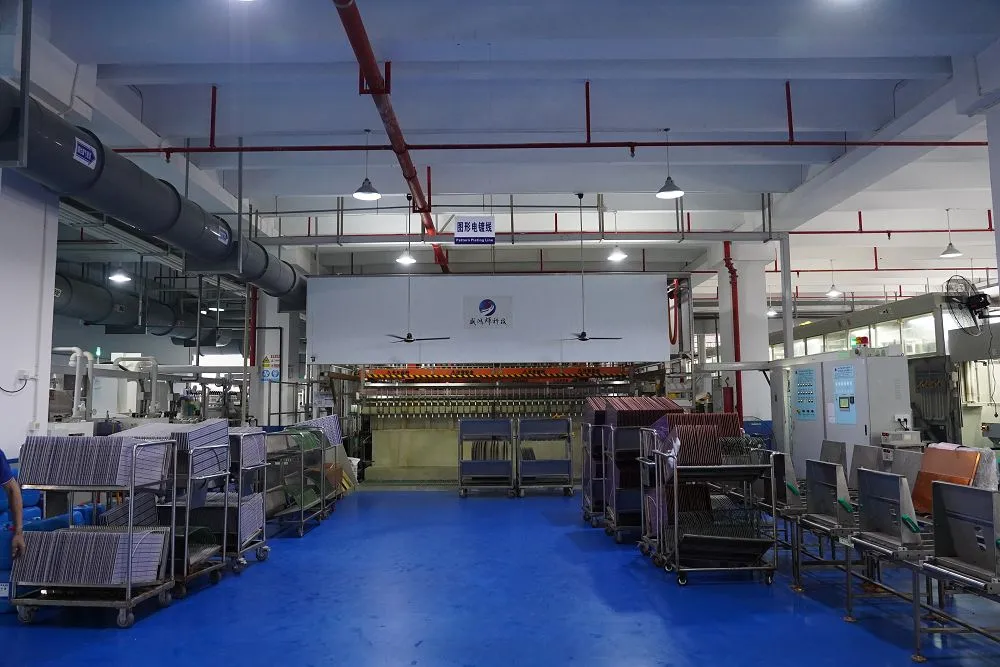
Prototype to Batch Production
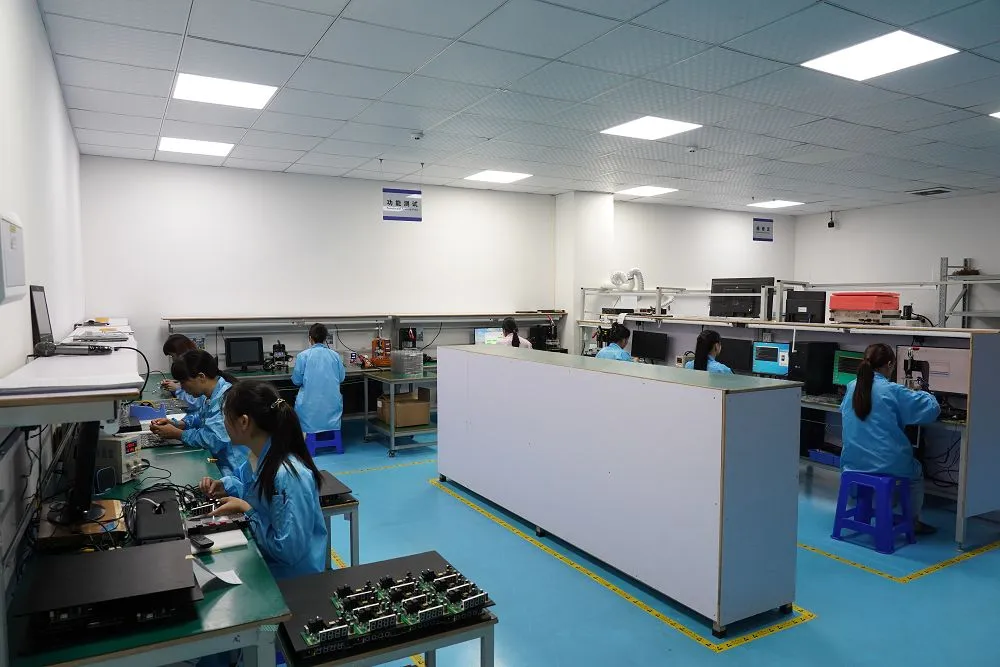
Many engine harness projects begin with samples. During the sample stage, customers usually verify connector matching, wire length, branch layout, ECU pinout, sensor connection, sleeve position, label format, fuse and relay configuration, and installation routing. If a branch is too short, a connector direction is not convenient, or a label needs to be repositioned, changes can be made before batch production.
After sample approval, production consistency becomes important. Wire specifications, connector models, terminal types, pinout drawings, crimping standards, sleeve materials, label positions, testing methods, and packaging requirements should be recorded clearly. These records help future batches match the approved sample and reduce repeated communication.
For repair suppliers, vehicle modification companies, engine system manufacturers, and aftermarket brands, stable batch production helps reduce installation complaints, product returns, and field failures.
Quality Control and Final Delivery
Quality control should cover the full production process, including material checking, wire cutting, stripping, terminal crimping, connector assembly, fuse and relay installation if required, protective sleeve installation, labeling, electrical testing, visual inspection, and packaging.
Final packaging should protect connectors, terminals, labels, sleeves, and branches during transportation. For complex harnesses with multiple connectors, proper bundling and clear labeling can help customers identify each section more easily during installation.
The final goal is to deliver engine harnesses that are electrically correct, mechanically reliable, clearly identified, heat-resistant, and suitable for real vehicle engine applications.
FAQ
Q1: What information is needed for quotation?
Customers usually need to provide drawings, samples, wiring diagrams, engine model, ECU pinout, connector type, wire length, wire gauge, terminal type, fuse or relay requirements, quantity, sleeve requirement, label requirement, and testing standard.
Q2: Can engine harnesses be customized?
Yes. Wire length, wire gauge, connector type, pinout, branch layout, fuse and relay configuration, protective sleeve, labels, packaging, and testing requirements can be customized according to drawings, samples, or engine system requirements.
Q3: Why is heat resistance important?
Engine compartment wiring may be exposed to heat, vibration, oil, abrasion, and tight routing space. Heat-resistant wire and protective sleeving help reduce insulation aging, cracking, short circuits, and long-term failure.
Q4: Why is pinout verification important?
Pinout verification confirms that each wire is connected to the correct ECU, sensor, injector, ignition, starter, alternator, or control circuit. Incorrect pinout may cause no-start issues, fault codes, unstable signals, or equipment damage.
Q5: What tests are usually performed before shipment?
Common tests include continuity testing, short circuit testing, open circuit testing, pinout verification, polarity checking, pull force testing, connector fit checking, wire length checking, and final visual inspection.
Q6: Can samples move into batch production?
Yes. After the sample is approved, wire specifications, connector models, terminal types, pinout drawings, sleeve materials, labels, crimping standards, testing methods, and packaging details can be recorded for stable batch production.
Hot Tags: engine wiring harness, China engine wiring harness manufacturers, suppliers, factory