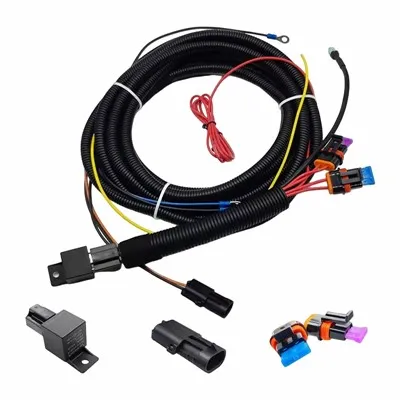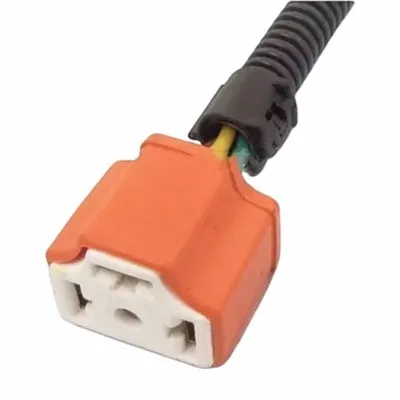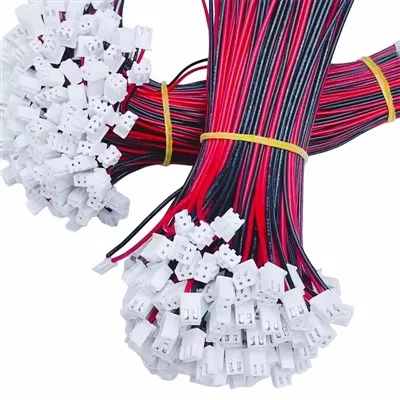
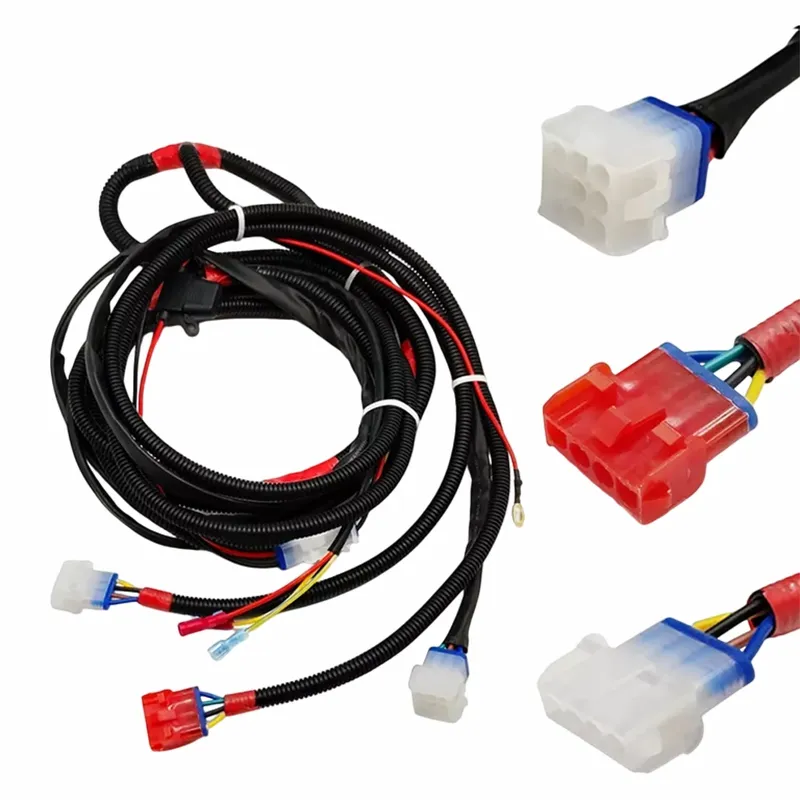
Medical equipment often works in environments where reliability and consistency are very important. Cables may be connected and disconnected many times, moved around bedsides or equipment carts, cleaned frequently, bent during use, or exposed to different operating conditions. If the cable assembly is not designed properly, customers may face unstable signals, intermittent connection, inaccurate readings, short circuits, damaged connectors, or frequent replacement costs.
Our Patient Monitor Cable Assembly support is designed for medical monitoring equipment, bedside monitoring systems, sensor interfaces, control devices, and healthcare electronics that require stable power, signal, or data connection. For customers, the main concern is not only whether the cable can connect two devices. They want to know whether the connector fits correctly, whether the pinout is accurate, whether the cable is flexible enough, whether the signal is stable, whether shielding is required, whether the jacket material supports cleaning, and whether every batch can match the approved sample.
Medical cable assemblies may be used for patient monitoring, ECG equipment, ultrasound systems, diagnostic instruments, therapy devices, surgical equipment, medical sensors, imaging systems, and home healthcare devices. Different applications require different cable structures. Some need low-noise signal transmission. Some need flexible jackets. Some need strong strain relief. Some need shielded or coaxial structures. Some require repeated cleaning compatibility and traceable production records.
Reducing Signal, Connector, and Durability Risks
One of the biggest customer pain points in medical cable projects is signal stability. Monitoring and diagnostic equipment depends on accurate signal transmission. If the cable has poor shielding, unstable contact, wrong pinout, or weak internal wiring, the device may show noise, unstable readings, signal loss, or intermittent data errors. This can create extra debugging work and reduce user confidence.
Connector reliability is also critical. Medical cables may be plugged and unplugged many times during daily use. If the connector does not fit securely, if the terminal is weak, or if the cable exit lacks strain relief, the cable may fail after repeated use. Customers often worry about loose connectors, broken wires near the connector, poor contact, or unreliable mating with the equipment interface.
Durability is another important concern. Medical cables are often bent, pulled, routed around equipment, and cleaned repeatedly. The outer jacket should be selected according to flexibility, abrasion resistance, cleaning requirements, and application environment. A jacket that is too stiff may reduce user comfort and increase cable fatigue. A jacket that cannot tolerate cleaning agents may crack, discolor, become sticky, or lose mechanical strength.
|
Project Area |
Customer Pain Point |
Cable Assembly Focus |
|
Connector Matching |
Wrong interface may stop device integration |
Confirm connector model, mating fit, and pinout |
|
Signal Stability |
Noise or signal loss may affect readings |
Use shielding, twisted pair, or coaxial structure if required |
|
Pinout Accuracy |
Wrong wiring may cause device failure |
Verify circuit sequence before delivery |
|
Cable Flexibility |
Stiff cable may affect handling and service life |
Select suitable jacket material and cable structure |
|
Strain Relief |
Cable may break near connector exit |
Use molded or reinforced cable exit design |
|
Cleaning Compatibility |
Jacket may crack or degrade after cleaning |
Select material according to customer requirements |
|
Batch Consistency |
Later batches may differ from samples |
Maintain production records and approved specifications |
A reliable medical cable assembly process should help customers reduce these risks before the cable is installed into equipment or delivered for field use.
Custom Design and Material Selection
Medical cable projects are usually customized. Customers may need different cable lengths, connector types, pin arrangements, shielding structures, jacket materials, colors, labels, overmolding designs, and packaging methods. For new equipment development, sample validation is often required before batch production.
Common jacket options may include PVC, TPU, silicone, or TPE, depending on the application. TPU may provide good abrasion resistance and flexibility. Silicone may be suitable for soft and flexible cable designs. PVC and TPE can be used for many general medical device cable applications, depending on the customer's performance and cleaning requirements. The final material should be selected according to device use, flexibility, cleaning method, contact condition, and customer validation needs.
For cables used near patients or handled frequently by medical staff, material comfort, flexibility, surface feel, and cleanability are important. For cables used inside diagnostic equipment, electrical performance, shielding, routing, and connector stability may be more important. A good design should balance mechanical durability, electrical performance, usability, and cost.
Improving Electrical Performance, Testing Confidence, and Production Consistency
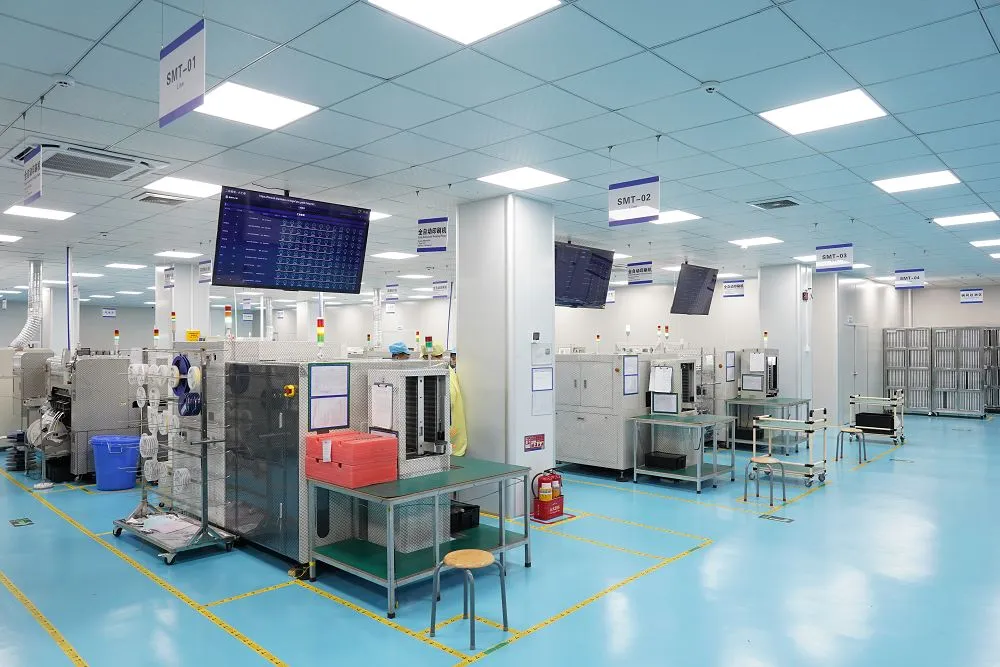
Medical cable assemblies often need more careful electrical testing than general cable products. A cable may look correct from the outside but still have internal problems such as wrong pinout, open circuit, short circuit, poor insulation, weak connector contact, or unstable shielding. These problems may only appear during device testing or clinical-use simulation.
For signal-sensitive applications, shielding and cable structure should be considered carefully. ECG Cable Assembly projects, for example, often require stable low-noise signal transmission, accurate lead connection, flexible cable routing, and reliable connector contact. If the signal is affected by interference or poor contact, the equipment may show unstable waveforms or inaccurate data.
Diagnostic imaging and probe-related cables may have different concerns. Ultrasound Cable Assembly applications may require stable signal paths, flexible handling, durable connector design, and careful strain relief because the cable may be moved frequently during operation. Depending on the device design, coaxial structures, shielding, special connectors, or molded cable exits may be required.
|
Testing / Inspection Item |
Purpose |
Customer Benefit |
|
Continuity Test |
Confirms each circuit is correctly connected |
Reduces non-working cable risk |
|
Short / Open Circuit Test |
Detects broken or unwanted connections |
Helps avoid electrical failure |
|
Pinout Verification |
Confirms connector wiring sequence |
Reduces wrong connection risk |
|
Insulation Resistance Test |
Checks insulation performance |
Supports electrical reliability |
|
Hipot Test |
Checks dielectric withstand if required |
Reduces high-voltage failure risk |
|
Shielding Check |
Confirms shielding continuity if required |
Helps reduce signal interference |
|
Pull Force Test |
Checks connector or terminal strength |
Improves mechanical reliability |
|
Flexing / Bending Test |
Evaluates cable durability if required |
Reduces cable breakage risk |
|
Connector Fit Check |
Confirms mating and locking performance |
Improves device compatibility |
|
Final Visual Inspection |
Checks jacket, labels, connectors, and appearance |
Improves delivery consistency |
Testing requirements should be confirmed before production. Some medical device customers need basic electrical tests, while others require additional insulation, shielding, flexing, pull force, or functional test support. Clear testing standards help reduce misunderstandings and improve delivery quality.
Connector, Overmolding, and Strain Relief
Connector design is one of the most important parts of medical cable assembly. Medical cables may be connected to monitors, probes, sensors, diagnostic devices, control units, or handheld instruments. If the connector is difficult to mate, easy to loosen, or poorly protected, the equipment may experience intermittent signal or power failure.
Overmolding can improve cable durability and appearance when required. A molded connector can provide better strain relief, smoother handling, and stronger protection around the cable exit. This is useful for cables that are frequently plugged, unplugged, pulled, or bent. The overmold design can also include custom shape, color, logo, grip structure, or labeling according to customer requirements.
Strain relief is especially important because many cable failures happen near the connector exit. Reinforced cable exits, flexible boot designs, proper molding materials, and suitable bend radius can help reduce wire breakage and extend cable service life.
Application Areas
Medical cable assemblies can be used in patient monitoring systems, ECG devices, EEG equipment, SpO2 sensors, ultrasound systems, diagnostic instruments, surgical devices, therapy equipment, imaging systems, medical carts, control units, and home healthcare electronics.
Different applications have different priorities. Monitoring systems need stable signal and reliable repeated use. ECG and EEG devices need low-noise signal transmission and accurate pinout. SpO2 sensor cables need flexible structure and stable sensor connection. Ultrasound-related cables need durable handling and reliable signal transmission. Home healthcare devices may require easy use, clear labels, and safe connection. Surgical or therapy equipment may require stronger strain relief, cleanable jacket materials, and consistent batch quality.
A good medical cable assembly solution should match the application environment, not use one general cable design for every device.
Prototype to Batch Production
Medical cable projects often begin with prototypes. During the sample stage, customers usually verify connector fit, pinout, cable flexibility, signal performance, cleaning compatibility, overmolding design, label position, and packaging requirements. If the sample needs adjustment, cable length, jacket material, shielding structure, connector design, or strain relief can be modified before batch production.
After approval, production consistency becomes very important. Cable specifications, connector models, pinout drawings, jacket material, shielding method, overmolding design, labels, test standards, packaging methods, and inspection records should be documented clearly. This helps future batches remain consistent with approved samples and reduces repeated communication.
For medical device companies, stable batch production helps reduce device integration problems, field failures, replacement costs, and quality complaints.
Quality Control and Final Delivery
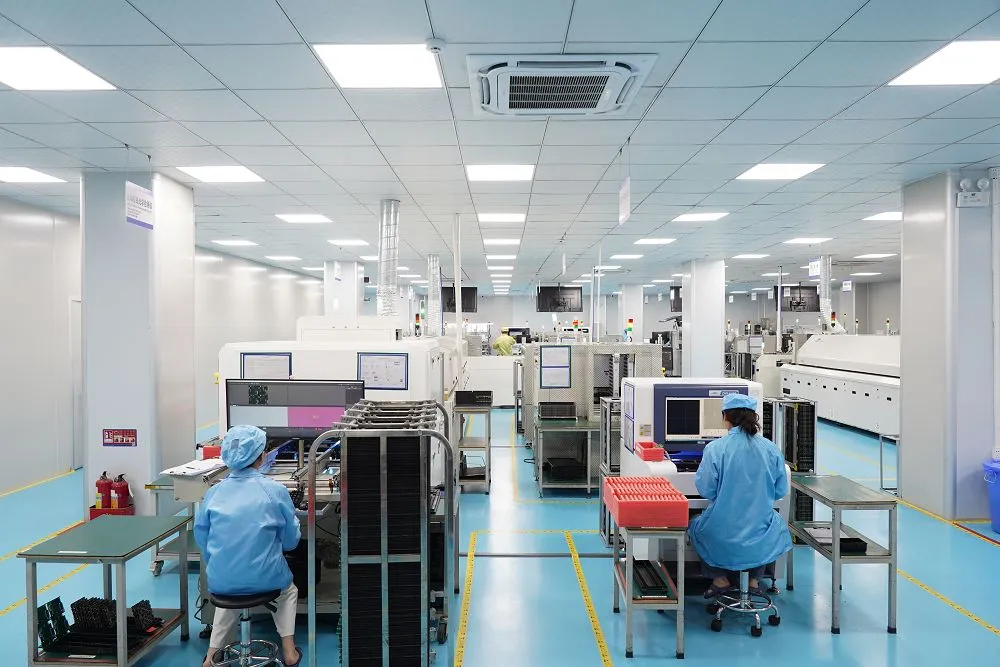
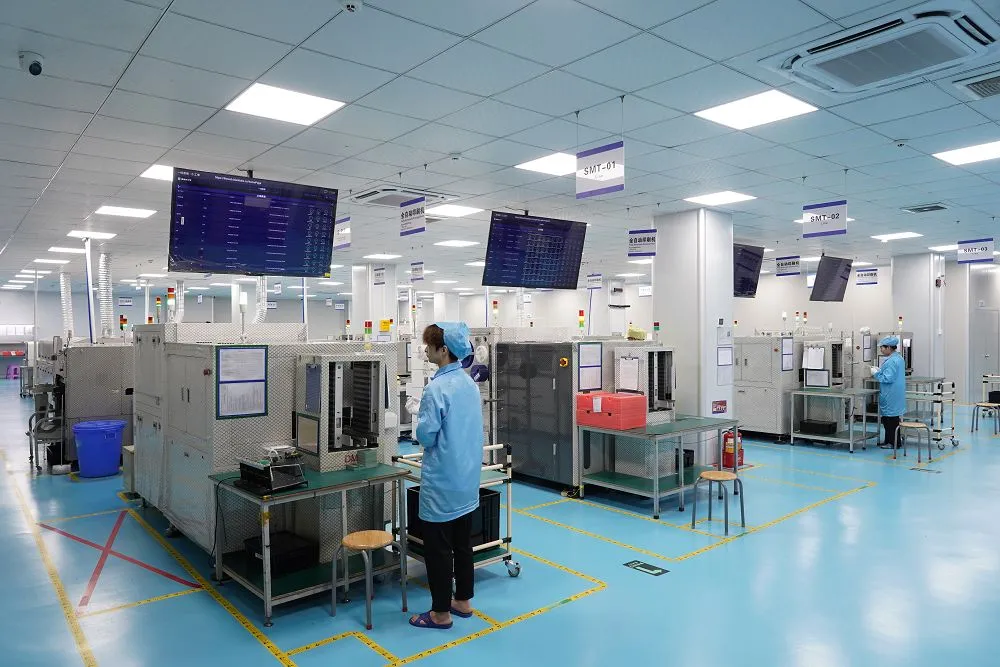
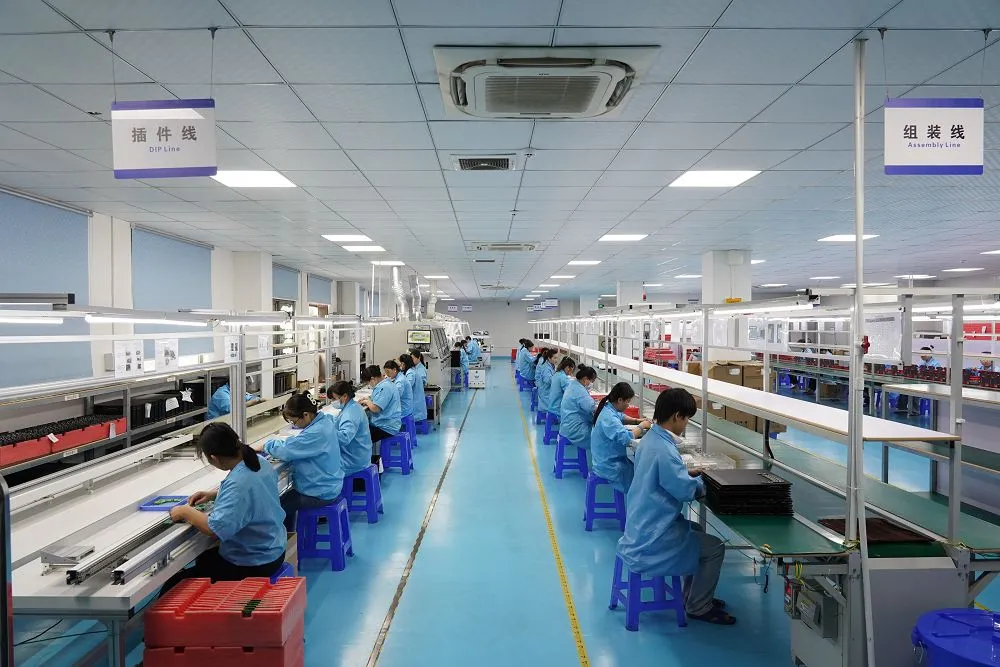
Quality control should cover the full production process, including material checking, wire cutting, stripping, soldering or crimping, connector assembly, shielding preparation, overmolding, labeling, electrical testing, visual inspection, and packaging.
Clean handling and proper packaging are also important. Depending on customer requirements, cables may be individually packed, labeled by lot, protected with caps, or arranged for easier incoming inspection. Proper packaging helps reduce connector damage, cable deformation, contamination, and handling problems during transportation.
The final goal is to deliver cable assemblies that are electrically correct, mechanically reliable, suitable for device integration, and consistent for future production.
FAQ
Q1: What information is needed for quotation?
Customers usually need to provide drawings, samples, cable length, connector type, pinout, wire specification, jacket material, shielding requirement, overmolding design, quantity, labeling requirement, testing standard, and packaging requirement.
Q2: Can medical cables be customized?
Yes. Cable length, connector model, pinout, jacket material, shielding structure, overmolding, strain relief, color coding, labels, packaging, and testing requirements can be customized according to drawings, samples, or device requirements.
Q3: Why is shielding important for medical cables?
Shielding helps reduce electromagnetic interference and signal noise. It is especially useful for monitoring, ECG, EEG, diagnostic, sensor, imaging, and data transmission applications where stable signals are important.
Q4: What materials can be used for the cable jacket?
Common options include PVC, TPU, silicone, and TPE. The final material should be selected according to flexibility, cleaning method, durability, surface feel, contact condition, and customer validation requirements.
Q5: What tests are usually performed before shipment?
Common tests include continuity testing, short/open circuit testing, pinout verification, insulation resistance testing, hipot testing if required, shielding check if required, pull force testing, connector fit checking, bending or flexing tests if required, and final visual inspection.
Q6: Can samples move into batch production?
Yes. After the sample is approved, cable specifications, connector models, pinout, shielding structure, jacket material, overmolding design, labels, testing standards, and packaging methods can be recorded for stable batch production.
Hot Tags: medical cable assembly, China medical cable assembly manufacturers, suppliers, factory