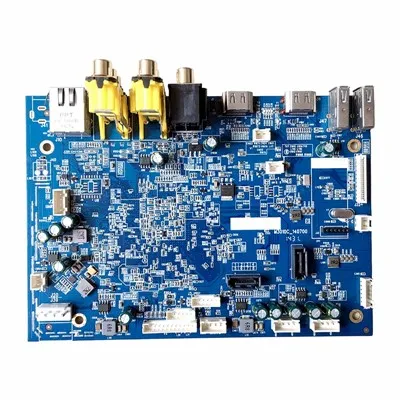

Medical devices are becoming smaller, smarter, and more integrated, which creates higher requirements for PCB structure, reliability, signal stability, and long-term production consistency. In many compact medical products, traditional rigid PCBs, cables, and connectors may take too much space or introduce additional failure risks. Rigid-flex PCB technology combines rigid board sections with flexible circuit areas, allowing the circuit to fit into complex internal structures while reducing wiring complexity and improving connection reliability.
We provide custom rigid-flex PCB solutions for medical devices such as patient monitoring equipment, diagnostic instruments, wearable medical electronics, portable healthcare devices, medical sensors, control modules, laboratory equipment, and compact testing systems. For customers developing a Custom Rigid-Flex PCB Prototype, the main concern is not only whether the sample can be produced, but whether the design can support real medical device testing, assembly, bending, signal transmission, and future mass production.
Medical device customers usually care about reliability, traceability, stable signal performance, and repeatable quality. A small PCB issue, such as copper cracking, poor rigid-flex transition, unstable impedance, weak solderability, or material inconsistency, may affect device performance or delay validation. Our service is designed around these customer pain points, helping projects move from early design review to prototype testing and stable production.
Space Saving
Space saving is one of the most important reasons medical device manufacturers choose rigid-flex PCB solutions. Portable and wearable medical devices often have very limited internal space. Traditional cable connections or multiple rigid PCBs may make the product thicker, heavier, and harder to assemble.
Rigid-flex PCBs allow different rigid sections to be connected through flexible areas, helping the circuit fold or bend into the device structure. This can reduce the need for extra connectors, cables, and manual wiring. For compact devices such as wearable monitors, medical sensors, handheld diagnostic tools, and portable healthcare products, this structure helps improve internal layout efficiency and supports smaller product design.
Customers often worry that reducing product size may increase reliability risks. A well-designed rigid-flex PCB can help solve this problem by combining compact structure with controlled electrical connection and mechanical support.
Connector Reduction
Connectors are useful, but they can also create risks in medical devices. Every connector may become a potential point of failure due to vibration, movement, oxidation, poor contact, assembly error, or long-term wear. In compact medical electronics, connectors also take space and increase assembly complexity.
Rigid-flex PCB design helps reduce connector usage by integrating flexible interconnection directly into the circuit. This can improve reliability, reduce assembly steps, and make the final product more compact. For medical devices that require stable long-term operation, fewer connectors can mean fewer possible failure points.
For example, patient monitoring devices, portable diagnostic modules, and wearable medical products often require multiple functional sections to communicate reliably. Using integrated rigid-flex structures can help reduce mechanical connection issues and improve overall device stability.

Bend Reliability
Bend reliability is a key concern for customers using rigid-flex PCBs in medical devices. The flexible area may need to bend during installation or remain folded inside the product. If the bend area is not designed correctly, it may cause copper cracking, coverlay damage, delamination, or open circuits.
Bend reliability depends on material selection, copper type, layer structure, bend radius, trace routing, and whether the application involves static or dynamic bending. Static bending usually means the board is bent during installation and then stays fixed. Dynamic bending means the circuit may move repeatedly during use, which requires more careful design.
For medical applications, bend areas should avoid unnecessary vias, sharp trace corners, sudden thickness changes, and component placement whenever possible. Proper bend radius and smooth routing help reduce mechanical stress and improve long-term performance.
Rigid-Flex Transition Control
The rigid-flex transition area is one of the most critical parts of the design. This is where the rigid section and flexible section meet, and it can become a stress concentration point if not designed or manufactured properly. Customers often worry about cracking, delamination, or open circuits near this transition area.
To improve transition reliability, the stack-up, coverlay design, copper routing, adhesive structure, and mechanical support must be carefully reviewed. The transition area should avoid abrupt structural changes and excessive bending stress. Proper layout and manufacturing control can help improve durability and reduce hidden failure risks.
This is especially important for medical products because failures may not appear during initial sample inspection but could become problems after assembly, repeated handling, or long-term operation.
Stable Signal Performance
Many medical devices rely on accurate signal collection, stable data transmission, and consistent electrical performance. Diagnostic equipment, monitoring devices, medical sensors, and laboratory instruments may require low-noise signal paths, controlled impedance, and reliable interconnection between functional modules.
Rigid-flex technology can support stable signal performance by reducing connector-related signal loss and improving internal connection integrity. However, signal stability still depends on proper stack-up design, material selection, trace geometry, impedance requirements, and manufacturing consistency.
For high-density or signal-sensitive medical electronics, we can review design requirements such as controlled impedance, fine trace routing, layer alignment, and copper balance. Reliable Rigid Flex PCB Circuit Boards should support both compact mechanical structure and stable electrical performance.
Material Traceability
Material traceability is a major concern for medical device customers. Once a medical device design is validated, customers usually want consistent materials and controlled production records for future batches. Material changes without proper communication may cause revalidation issues, assembly differences, or reliability concerns.
We support material control and traceability according to project requirements. Common rigid-flex PCB materials include FR4 or High-Tg FR4 for rigid areas, polyimide for flexible sections, RA copper or ED copper depending on bending needs, coverlay for flex circuit protection, and ENIG or other surface finishes for solderability.
|
Material / Structure |
Main Function |
Customer Benefit |
|
FR4 / High-Tg FR4 |
Provides rigid support and dimensional stability |
Suitable for component mounting and control areas |
|
Polyimide Flex Layer |
Provides flexibility and heat resistance |
Supports bending and compact installation |
|
RA Copper |
Improves bending reliability |
Suitable for repeated or demanding bending applications |
|
ED Copper |
Cost-effective for static bending |
Suitable for fixed installation structures |
|
Coverlay |
Protects flexible traces |
Improves insulation and bend area protection |
|
ENIG Surface Finish |
Provides flat and reliable soldering surface |
Suitable for fine-pitch components and medical modules |
The goal is to select materials that match the product's reliability, signal, bending, assembly, and cost requirements.
Strict Quality Control
Strict quality control is essential for medical device PCB projects. Customers want to know how risks are controlled before shipment and whether the boards can support device validation and long-term use. Quality inspection must cover not only electrical performance, but also flex area quality, transition area stability, dimensional accuracy, solderability, and appearance.
Our quality control process can include material inspection, inner layer inspection, lamination control, drilling and plating inspection, coverlay alignment inspection, AOI inspection, electrical testing, dimensional inspection, surface finish inspection, and final visual inspection. For special requirements, impedance testing, micro-section analysis, or additional inspection reports can also be arranged.
|
Quality Focus |
Purpose |
|
Electrical testing |
Reduces open and short circuit risks |
|
Flex area inspection |
Helps identify bending-related defects |
|
Transition area control |
Reduces cracking and delamination risks |
|
Dimensional inspection |
Supports medical device assembly accuracy |
|
Surface finish inspection |
Improves solderability and assembly reliability |
|
Batch record control |
Supports repeat order consistency and traceability |
Good quality control helps customers reduce validation risks, improve assembly yield, and maintain confidence in repeat production.
DFM Engineering Support
Rigid-flex PCB projects require careful engineering review because many risks begin at the design stage. A design may be electrically correct but still difficult to manufacture or unreliable during bending and assembly. DFM review helps identify these risks before production begins.

Our DFM review can check stack-up structure, bend radius, rigid-flex transition, trace routing, via placement, copper balance, coverlay openings, solder mask requirements, surface finish selection, impedance requirements, and assembly-related risks. This is especially useful for medical device projects where redesign delays can affect testing schedules and product validation.
For customers using a Rigid-Flex PCB Prototyping Service, early engineering feedback helps improve first-build success and creates a better foundation for later production.
Prototype to Mass Production
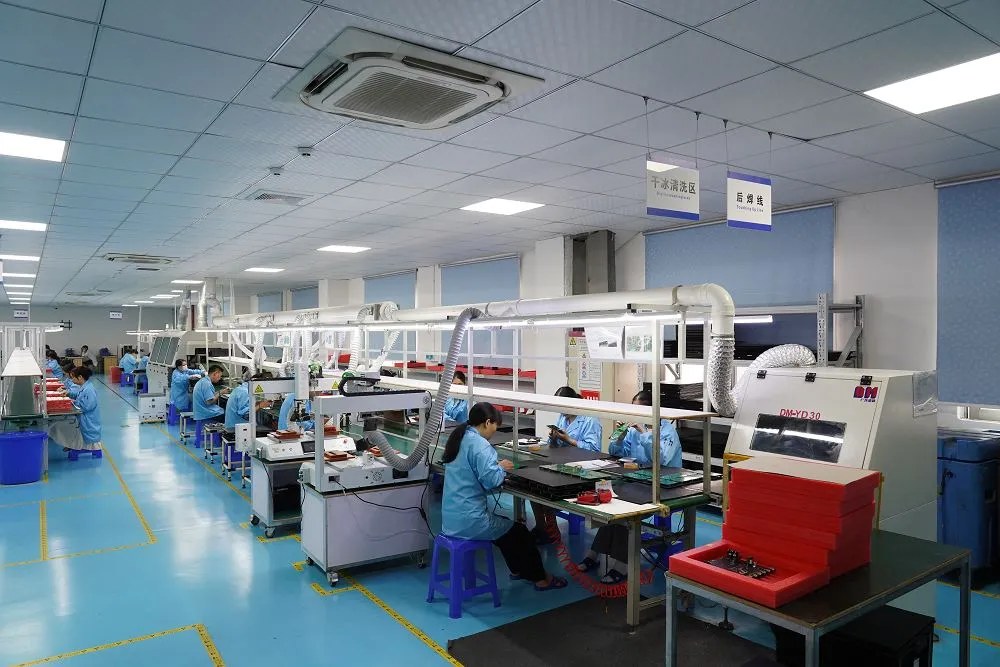
Medical device projects often move through prototype testing, engineering validation, pilot production, and mass production. During the prototype stage, customers usually focus on mechanical fit, bending performance, signal function, and assembly feasibility. During pilot production, process repeatability and batch quality become more important. In mass production, customers care about consistency, traceability, delivery stability, and long-term supply.
We support customers through the full process from sample development to volume production. By keeping material requirements, stack-up details, inspection standards, and engineering records clear, we help customers reduce transition risks from prototype to mass production.
For faster quotation, customers can provide Gerber files, layer count, rigid-flex stack-up, material requirements, bend radius, copper thickness, surface finish, quantity, impedance requirements, testing needs, and final application details.
FAQ
Q1: Why are rigid-flex PCBs used in medical devices?
They help save space, reduce connectors, improve internal connection reliability, and support compact medical device structures.
Q2: What medical applications can use rigid-flex PCBs?
Common applications include patient monitors, diagnostic instruments, wearable medical devices, medical sensors, portable healthcare devices, laboratory equipment, and control modules.
Q3: Why is bend reliability important?
Poor bend design may cause copper cracking, delamination, open circuits, or failure near the rigid-flex transition area. Proper bend radius and flex area design help improve reliability.
Q4: What materials are commonly used?
Rigid areas often use FR4 or High-Tg FR4, while flexible areas commonly use polyimide. Copper type, coverlay, and surface finish are selected according to bending, soldering, and reliability requirements.
Q5: Can you support controlled impedance?
Yes. For signal-sensitive medical devices, stack-up review and impedance control can be supported according to project requirements.
Q6: Do you provide DFM review before production?
Yes. DFM review helps check bend areas, transition zones, material structure, via placement, line width, spacing, surface finish, and manufacturability risks.
Q7: Can prototypes move into mass production later?
Yes. We support prototype, pilot run, and mass production. Clear material control, production records, and inspection standards help improve repeat order consistency.
Hot Tags: led aluminum PCB, China led aluminum PCB manufacturers, suppliers, factory