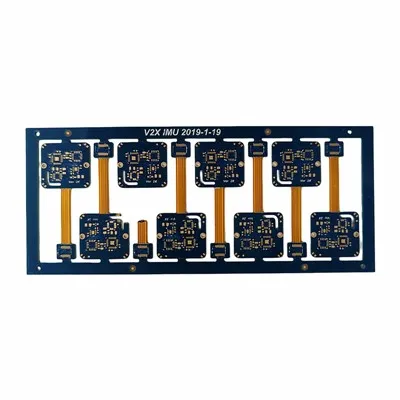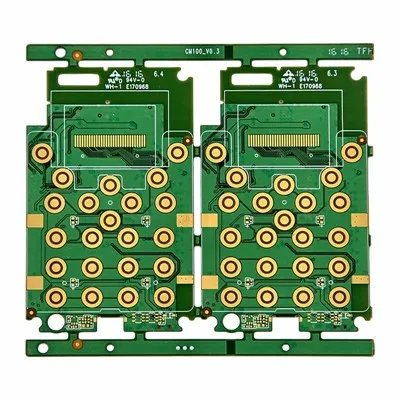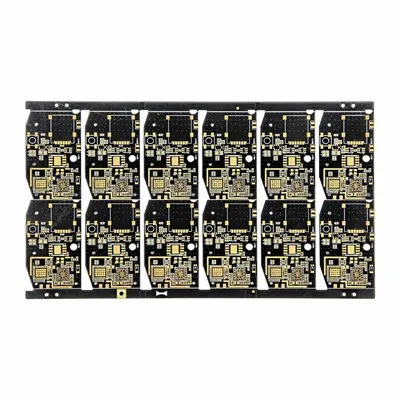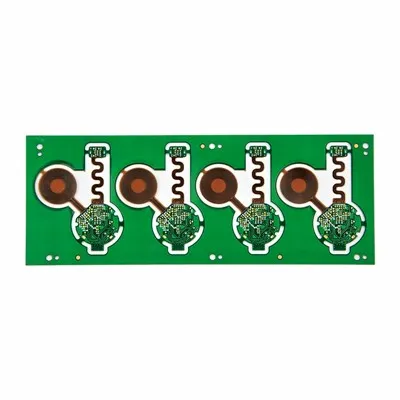
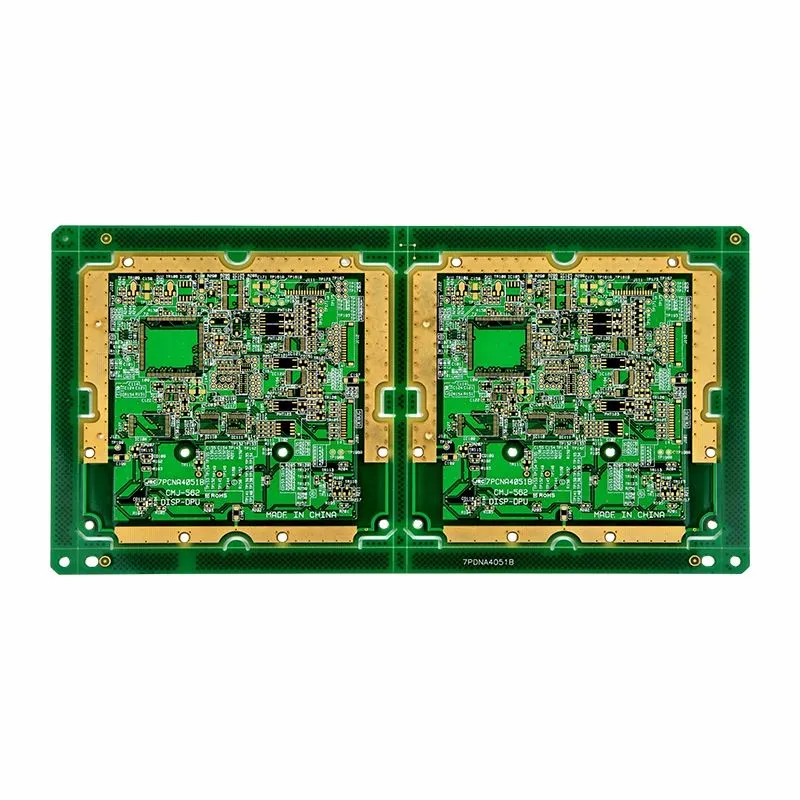
For many electronics companies, managing a PCBA project through several suppliers can be difficult and time-consuming. Customers may need to coordinate PCB fabrication, component purchasing, SMT assembly, through-hole soldering, functional testing, programming, conformal coating, box build, packaging, and shipment separately. If one step is delayed or one supplier does not fully understand the project requirements, the whole schedule may be affected.
Our Complete Turnkey Assembly service is developed to solve these problems. Customers can send Gerber files, BOM, pick-and-place files, assembly drawings, testing requirements, and special process notes to one supplier. We then help manage PCB production, component sourcing, assembly, inspection, testing, and final delivery through one coordinated workflow.
For customers, the main concern is not only whether the board can be assembled. They want to know whether the components can be sourced correctly, whether the BOM will be checked before purchasing, whether hidden soldering risks can be inspected, whether the finished board can be tested before shipment, and whether the same quality can be repeated in future batches. Our service focuses on these practical concerns and helps customers reduce communication costs, production risks, and delivery uncertainty.
Reducing Supplier Management and Production Risk
One of the biggest reasons customers choose a full-service assembly partner is to reduce the complexity of supplier management. If the PCB factory, component distributor, assembly factory, and testing provider are all different companies, the customer must manage files, delivery schedules, quality standards, engineering questions, and responsibility between multiple sides.
When a problem appears, it may also be difficult to identify the root cause. For example, a board may fail functional testing because of a PCB fabrication issue, a wrong component, a BOM mismatch, a soldering defect, or a design problem. Without a coordinated process, customers may spend more time communicating than solving the actual issue.
A complete production workflow helps make responsibility clearer. The supplier can review the files, prepare PCB boards, source components, arrange SMT and through-hole assembly, inspect soldering quality, perform testing, and package the finished boards before shipment. This helps customers save time and makes the project easier to control.
|
Service Step |
Customer Concern |
Manufacturing Focus |
|
PCB Fabrication |
Board quality may affect assembly and testing |
Control material, thickness, surface finish, holes, and production tolerance |
|
BOM Review |
Parts may be unavailable, wrong, or mismatched |
Check part numbers, packages, brands, lead time, and replacement risks |
|
Component Sourcing |
Wrong or unreliable components may delay production |
Source from reliable channels and confirm key parts before purchase |
|
SMT Assembly |
Small components may shift, bridge, or solder poorly |
Control solder paste printing, placement accuracy, and reflow profile |
|
Through-Hole Assembly |
Connectors, terminals, and power parts may need strong soldering |
Use suitable soldering methods and inspect joint quality |
|
Testing |
Appearance inspection cannot confirm real function |
Support electrical and functional testing according to project needs |
|
Final Delivery |
Poor packaging may damage boards during shipment |
Control final inspection, labeling, packaging, and delivery preparation |
A reliable Turnkey Electronic Assembly process is not only about buying components and soldering them onto a PCB. It should help customers identify risks early, reduce repeated communication, shorten project cycles, and improve the chance that the first build can be used for testing or market preparation.
BOM Review and Component Sourcing
Component sourcing is one of the most common pain points in full-service PCBA projects. Customers often worry about unavailable parts, long lead times, obsolete components, wrong packages, fake components, high MOQ, price changes, or unapproved substitutions. A BOM may look complete, but some part numbers may no longer be available, or the listed package may not match the PCB footprint.
Before purchasing, BOM review is very important. A practical review can check part number accuracy, package type, brand requirement, component availability, lead time, MOQ, and possible replacement risks. If a part is difficult to source, the supplier should communicate with the customer and confirm alternatives before purchasing.
This helps customers avoid production interruption. It also reduces the risk of wrong components entering assembly. For projects that will move to mass production later, stable component sourcing and clear BOM version control are especially important.
DFM and DFA Engineering Review
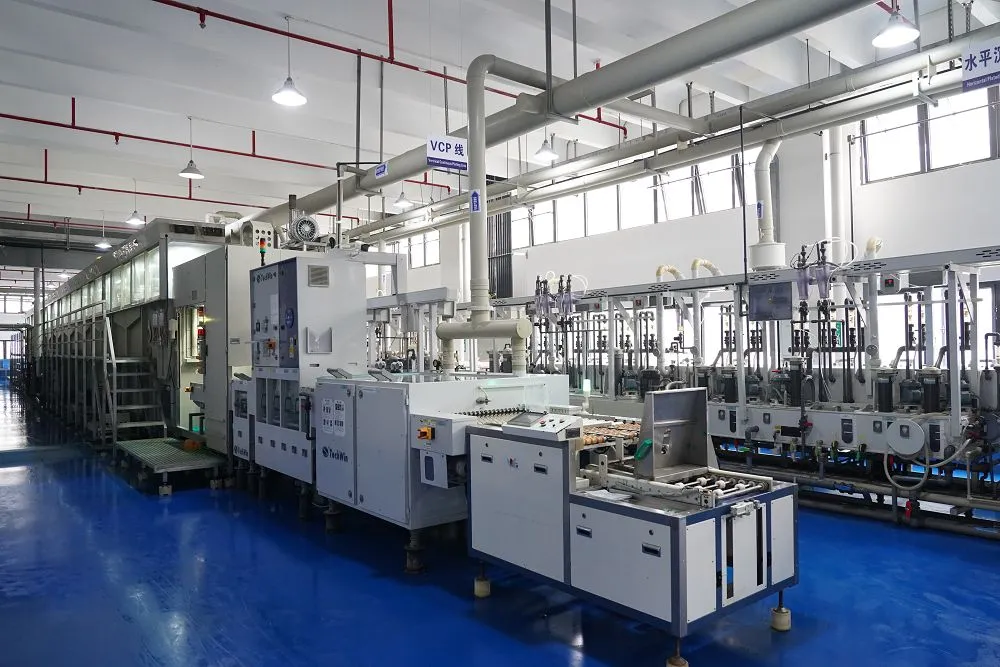
Many production problems begin before assembly starts. A design may be electrically correct, but still difficult to manufacture, assemble, or test. Common problems include mismatched footprints, unclear polarity marks, insufficient test points, small solder pads, tight component spacing, poor panelization, difficult connector placement, or through-hole parts with unsuitable hole sizes.
DFM and DFA review help identify these risks before production. The review may include Gerber checking, BOM and footprint comparison, pick-and-place file review, polarity and orientation checking, pad design review, panelization suggestion, soldering risk review, and test point review.
For customers, this step is valuable because it helps reduce prototype failure and mass production issues. It is much easier to correct a file problem before production than to repair assembled boards after defects appear. Early engineering feedback can save time, reduce rework, and improve production success.
Improving Assembly Quality, Testing, and Batch Consistency
Assembly quality is one of the most important concerns for customers. Many PCBA projects include different types of components, such as resistors, capacitors, ICs, sensors, connectors, terminals, relays, transformers, BGA, QFN, and fine-pitch packages. Different components require different process controls.
For SMT assembly, solder paste printing, stencil design, placement accuracy, and reflow profile all affect solder joint quality. If solder paste is uneven, components may shift, bridge, or form weak joints. For BGA and QFN components, hidden solder joints may require X-ray inspection. For through-hole components, soldering strength is important because connectors and terminals may face mechanical stress during use.
Poor soldering may not always fail immediately. Some weak solder joints can pass initial inspection but fail later during vibration, temperature change, or long-term operation. This is why process control and inspection are critical.
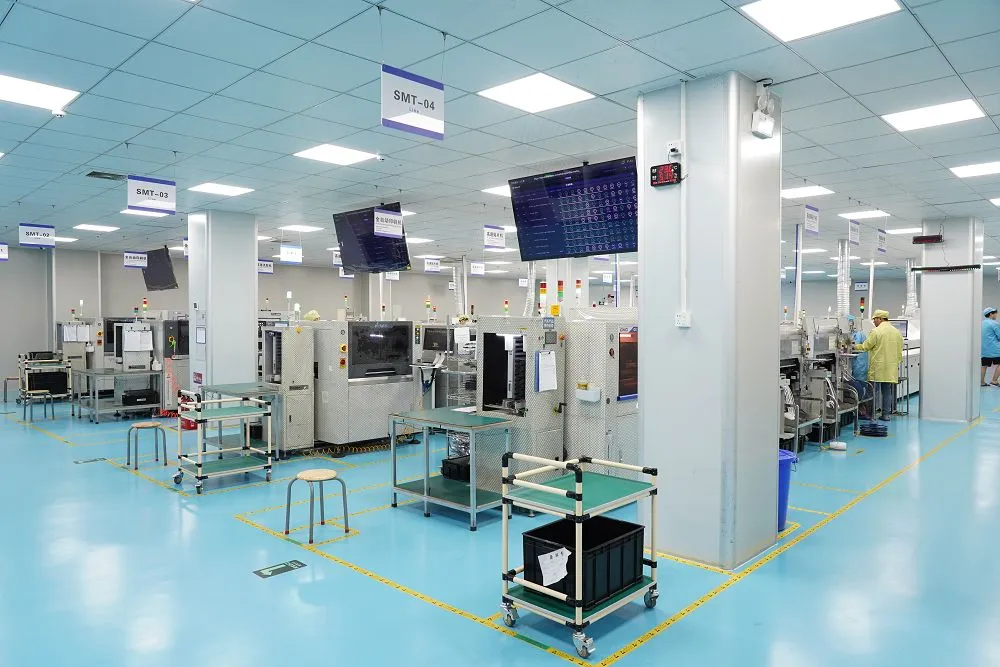
Testing and Quality Control
Customers do not want to receive boards that only look correct; they want to know whether the boards actually work. Depending on project requirements, testing can include AOI, X-ray, ICT, functional testing, programming, burn-in testing, and final visual inspection.
|
Testing / Inspection |
Purpose |
Customer Benefit |
|
Incoming Inspection |
Checks PCB and component condition before production |
Reduces material-related defects |
|
SPI |
Inspects solder paste quality before placement |
Prevents solder volume problems early |
|
AOI |
Detects missing parts, wrong parts, polarity errors, and visible solder defects |
Improves assembly process control |
|
X-ray |
Checks BGA, QFN, and hidden solder joints |
Reduces hidden soldering risks |
|
ICT |
Detects open circuits, short circuits, and component-level issues |
Improves electrical defect detection |
|
Functional Testing |
Verifies real working performance |
Confirms the PCBA meets application requirements |
|
Programming |
Loads firmware or software if required |
Supports ready-to-use board delivery |
|
Burn-In Test |
Checks long-time operation stability if required |
Helps identify early failures |
|
Final Inspection |
Confirms appearance, labels, connectors, coating, and packaging |
Reduces shipment risk |
Functional testing is especially important for products with specific operating requirements, such as power control, signal transmission, sensor response, lighting output, communication, or motor control. Visual inspection and AOI can find many assembly defects, but they cannot fully confirm whether the product performs correctly in real use.
Application Areas
Our One-Stop Turnkey Assembly support can be used for many types of electronic products. Different applications have different concerns, so the assembly process and testing plan should match the final use environment.
|
Application |
Main Customer Concern |
Assembly Focus |
|
Industrial Control Boards |
Long-term stable operation |
Functional testing, soldering reliability, batch consistency |
|
Consumer Electronics |
Cost control and delivery speed |
Efficient assembly and stable production |
|
Medical Electronics |
Reliability and traceability |
Material control, strict inspection, and documentation |
|
Automotive Electronics |
Vibration and temperature changes |
Connector reliability, solder quality, and testing |
|
Communication Devices |
Signal stability |
Fine-pitch assembly and inspection |
|
IoT Devices |
Compact design and wireless function |
SMT accuracy and functional testing |
|
Power Modules |
Heat and current load |
Component selection and solder joint quality |
|
Sensor Modules |
Signal accuracy |
Clean assembly and functional verification |
A good assembly partner should not use the same process plan for every project. The service should consider product function, component type, working environment, testing needs, and production volume. This helps customers avoid both over-processing and under-testing.
Prototype to Mass Production
Many electronics projects begin with prototypes. During this stage, customers usually focus on design verification, component selection, assembly feasibility, and functional testing. After the prototype is approved, the project may move to small-batch production, pilot runs, and mass production.
The challenge is that a prototype may work well, but future batches may become unstable if the BOM, assembly process, testing method, or inspection standard is not controlled. To avoid this, approved BOM versions, Gerber files, assembly notes, test procedures, component alternatives, packaging requirements, and inspection records should be maintained clearly.
For mass production, customers care about repeatability, delivery schedule, cost control, and batch consistency. Clear documentation and stable production control help future orders remain consistent with the approved sample.
Cost and Delivery Control
Cost is important, but the lowest assembly price is not always the best choice. If low-cost sourcing causes wrong components, poor solderability, unstable testing, or rework, the total project cost may become higher. A better approach is to balance material cost, process reliability, testing requirements, and delivery schedule.
Cost can be optimized through proper BOM review, practical component sourcing, suitable surface finish, efficient panelization, clear testing requirements, and stable production planning. Delivery can be improved by identifying long-lead-time components early and confirming engineering questions before production starts.
The goal is to reduce total project risk, not only the unit price. A reliable production process helps customers save time, reduce rework, and move faster from design validation to market delivery.
Quality Control and Final Delivery
Quality control should begin before production, not only after assembly is finished. File review, BOM checking, component verification, PCB inspection, solder paste control, placement inspection, reflow monitoring, solder joint inspection, electrical testing, and final packaging all affect the final result.
Customers often worry that a supplier can make samples but cannot maintain stable quality in repeat orders. To reduce this risk, production requirements should be recorded clearly. If component alternatives are used, they should be approved. If functional testing is required, the testing method should be defined. If special packaging is needed, it should be confirmed before shipment.
The goal is to deliver boards that are not only assembled, but also suitable for the customer's real application. Stable quality control helps reduce rework, shipment defects, project delays, and long-term customer-side failures.
FAQ
Q1: What files are needed for quotation?
Customers usually need to provide Gerber files, BOM, pick-and-place files, assembly drawings, quantity, and testing requirements. If the project needs programming, conformal coating, functional testing, box build assembly, or special packaging, these details should also be included. Complete files help improve quotation accuracy and allow early risk review.
Q2: Can you help source all components?
Yes, component sourcing can be supported according to the customer's BOM. Before purchasing, the BOM should be reviewed for part number accuracy, package matching, availability, lead time, and possible replacement risks. If certain parts are obsolete or difficult to source, alternatives can be discussed with the customer before production.
Q3: Why is DFM or DFA review important?
DFM and DFA review help identify manufacturing and assembly risks before production starts. Common issues include mismatched footprints, unclear polarity, insufficient test points, difficult soldering areas, poor panelization, or component spacing problems. Early review helps reduce prototype failure, rework, and mass production delays.
Q4: What testing can be provided before shipment?
Testing can include AOI, X-ray, ICT, functional testing, programming, burn-in testing, and final visual inspection depending on project requirements. Functional testing is especially helpful when customers want to confirm that the PCBA works according to the actual application rather than only passing visual inspection.
Q5: Can prototype orders move into mass production later?
Yes. Prototype builds can be followed by small-batch production, pilot runs, and mass production. To make this transition smooth, the approved BOM, production files, assembly notes, testing methods, and inspection standards should be recorded clearly. This helps future batches remain consistent with the approved sample.
Hot Tags: full turnkey assembly, China full turnkey assembly manufacturers, suppliers, factory