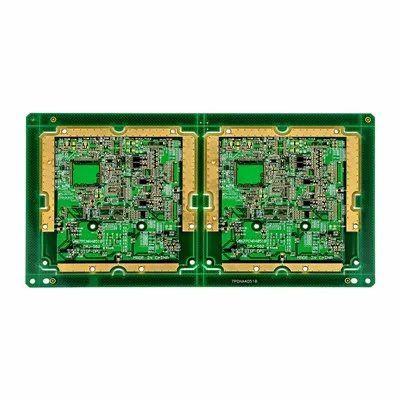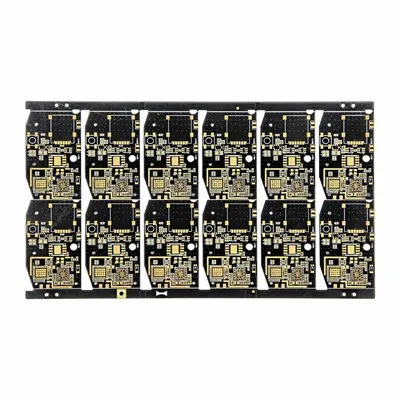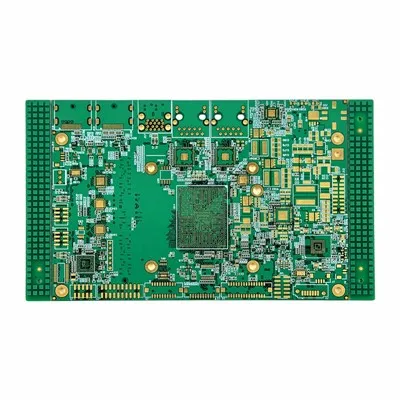
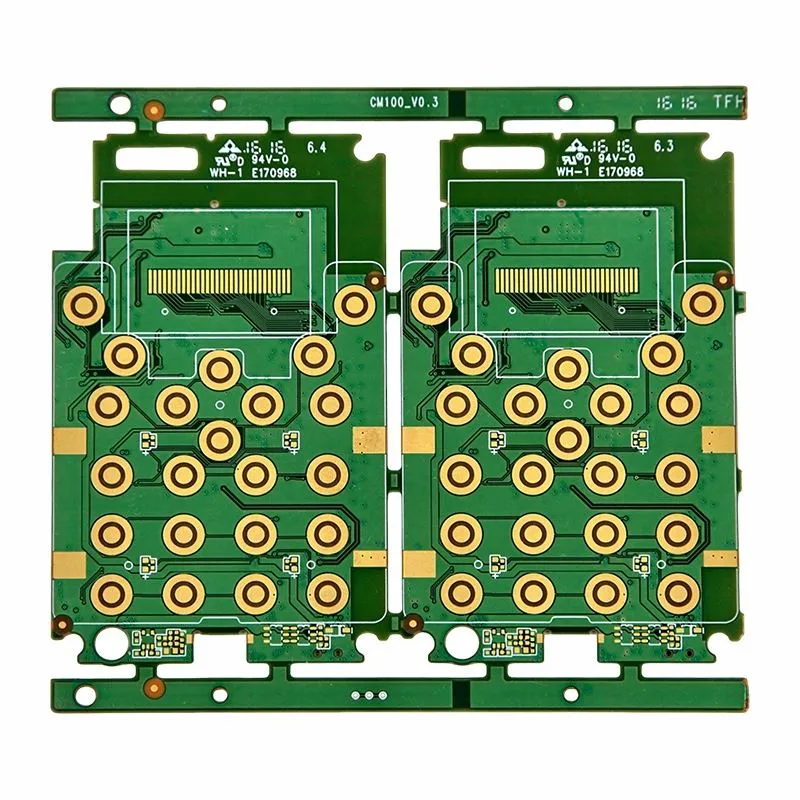
Industrial electronic products are usually used in demanding working environments, such as automation equipment, control systems, power modules, communication devices, testing instruments, sensors, and industrial machinery. Compared with consumer electronics, industrial PCBA projects often require longer product life, stronger process stability, better component quality, reliable soldering, and more complete testing before shipment.
Our Industrial PCB Assembly Solutions are designed for customers who need complete support from PCB fabrication, component sourcing, SMT assembly, through-hole assembly, inspection, testing, coating, box build, and final delivery. For many industrial customers, the main concern is not only whether the board can be assembled, but whether the final PCBA can work reliably after long-term operation, temperature changes, vibration, electrical load, and repeated production batches.
Customers often face practical problems such as BOM shortages, obsolete components, poor solder joints, missing test points, unclear assembly requirements, unstable prototype quality, and difficulty moving from sample to mass production. Our service focuses on these real pain points, helping customers reduce supply chain pressure, improve production reliability, and control project risks from early engineering review to final shipment.
One-Stop PCBA Project Support
Industrial PCBA projects usually involve many steps. If customers manage PCB fabrication, component purchasing, assembly, testing, and packaging through different suppliers, communication becomes complicated. When a quality issue happens, it may also be difficult to identify whether the problem comes from PCB quality, component mismatch, soldering process, design risk, or testing method.
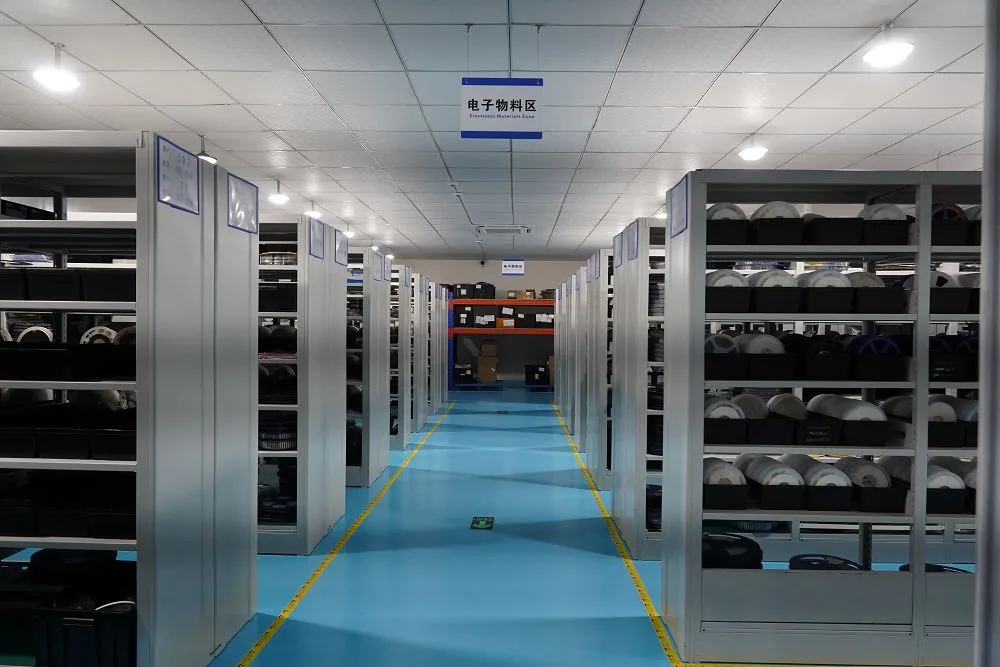
A one-stop PCBA service helps customers simplify project management. The supplier can review production files, prepare PCB boards, source components, arrange assembly, perform inspection, and complete testing under one coordinated process. This reduces communication gaps and makes the responsibility clearer.
|
Service Step |
What We Support |
Customer Benefit |
|
PCB Fabrication |
Rigid PCB, multilayer PCB, aluminum PCB, special requirements |
Reduces supplier coordination work |
|
BOM Review |
Package check, part availability, replacement risk review |
Helps avoid sourcing delays |
|
Component Sourcing |
ICs, passives, connectors, power components, modules |
Saves purchasing time |
|
SMT Assembly |
Fine-pitch ICs, QFN, BGA, passive components |
Supports compact industrial designs |
|
Through-Hole Assembly |
Connectors, terminals, relays, transformers, large capacitors |
Suitable for industrial control boards |
|
Testing |
AOI, X-ray, ICT, functional test, burn-in if required |
Reduces shipment risk |
|
Final Delivery |
Cleaning, coating, box build, packaging |
Provides ready-to-use PCBA support |
BOM Review and Component Sourcing
Component sourcing is one of the biggest concerns in industrial PCBA projects. Many industrial products have long life cycles, but some components may become obsolete, expensive, or difficult to purchase over time. Customers may also face problems such as long lead times, minimum order quantity limits, fake components, package mismatch, or unstable supply.
As an Industrial Electronics PCBA Provider, we help customers review BOM files before production. The review can include part number verification, package confirmation, brand requirement checking, stock availability, lead time risk, and alternative component suggestions. This process helps customers find potential sourcing problems before assembly begins.
For industrial projects, component quality is especially important. A low-cost but unreliable component may cause functional failure, unstable signal transmission, overheating, or product returns. We focus on sourcing from reliable channels and confirming key component information with customers when alternatives are needed. This helps reduce risks caused by wrong parts, discontinued parts, or unsuitable substitutions.
DFM and DFA Engineering Review
Many PCBA problems begin at the design stage. A board may look correct in the schematic, but still create assembly or testing problems during production. For example, pads may be too small, components may be too close, polarity marks may be unclear, test points may be missing, or large components may affect soldering and final installation.
DFM and DFA review help identify these risks before production. For industrial PCBA projects, this step is important because redesign or rework can delay equipment development, field testing, and customer delivery schedules.
|
Review Area |
Common Customer Risk |
Engineering Focus |
|
Gerber Files |
Manufacturing defects or unclear design rules |
Check trace, spacing, pads, holes, and panelization |
|
BOM File |
Wrong package or unavailable parts |
Verify part number, footprint, and sourcing risk |
|
Pick-and-Place File |
Component direction or position error |
Check placement data and polarity |
|
SMT Pads |
Poor soldering or component shift |
Review pad size and soldering feasibility |
|
Through-Hole Parts |
Assembly difficulty or weak solder joints |
Check hole size, spacing, and soldering method |
|
Test Points |
Difficult functional testing |
Review test access before production |
|
Thermal Areas |
Overheating in power sections |
Check large components and heat-related risks |
A proper engineering review helps customers reduce prototype failure, improve assembly yield, and prepare the project for stable batch production.
SMT and Through-Hole Assembly
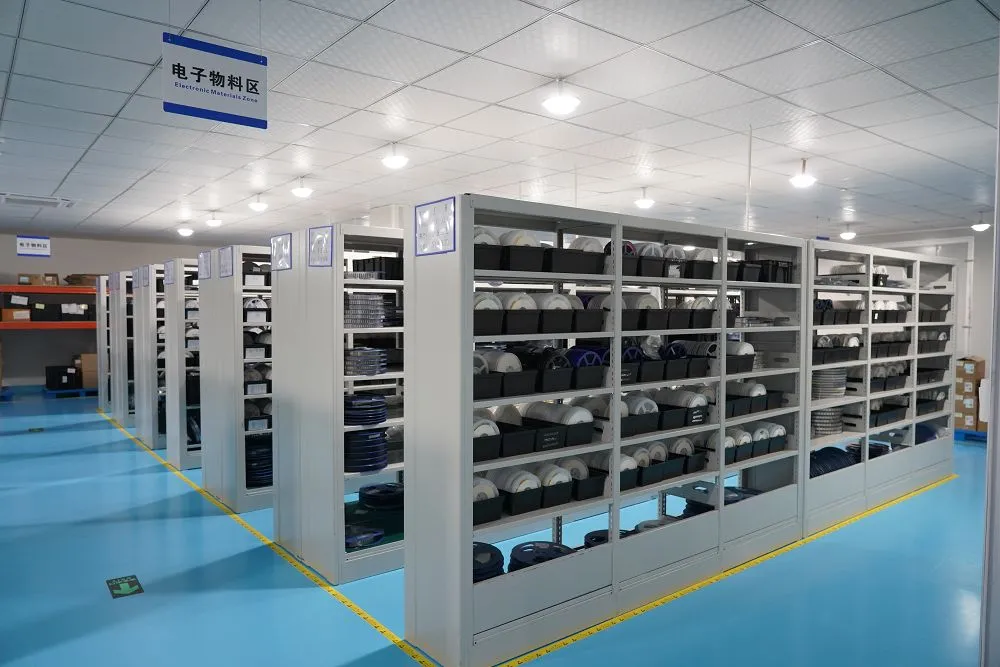
Industrial PCBA often includes both SMT components and through-hole components. SMT parts may include ICs, resistors, capacitors, sensors, communication chips, and control components. Through-hole parts may include terminal blocks, connectors, relays, transformers, power inductors, large capacitors, and mechanical support components.
The assembly process must match the product structure. Fine-pitch ICs need accurate solder paste printing and placement control. BGA or QFN packages may require X-ray inspection. Connectors and terminals need strong solder joints because they may face pulling force, vibration, or repeated plugging during use.
For industrial applications, soldering quality is not only about appearance. It affects long-term reliability, electrical stability, and field performance. Weak solder joints may pass initial testing but fail later under vibration, heat, or continuous operation. That is why process control, inspection, and testing must be planned carefully.
Testing and Quality Control
Testing is one of the most important parts of industrial PCBA production. Industrial customers usually want to know whether the assembled board can work correctly before shipment, not just whether it looks acceptable. Visual inspection alone cannot confirm real function, especially for control boards, power modules, communication boards, and sensor systems.
|
Testing / Inspection |
Purpose |
|
Incoming Material Inspection |
Checks PCB and component quality before assembly |
|
SPI |
Inspects solder paste printing quality before placement |
|
AOI |
Detects missing parts, wrong parts, polarity errors, and solder defects |
|
X-ray Inspection |
Checks BGA, QFN, and hidden solder joints |
|
ICT Testing |
Detects open circuits, short circuits, and component-level defects |
|
Functional Testing |
Verifies that the PCBA works according to customer requirements |
|
Burn-In Test |
Checks long-time operating stability if required |
|
Visual Inspection |
Confirms soldering, labels, connectors, coating, and appearance |
|
Final Packaging Check |
Reduces shipping damage and handling risk |
For industrial projects, functional testing is especially valuable. A PCBA may pass electrical continuity testing but still fail in real operation if firmware, connectors, sensors, power sections, or communication interfaces are not working correctly. We can follow customer-provided test procedures or help discuss practical testing methods based on the project requirements.
Industrial Application Areas
Industrial PCBA products are used in many types of equipment. Each application has different concerns, so the assembly process and testing plan should match the final use condition.
|
Application |
Main Customer Concern |
PCBA Focus |
|
Industrial Control Board |
Long-term stable operation |
Functional testing, solder reliability, batch consistency |
|
Automation Equipment |
Signal control and process stability |
DFM review, SMT accuracy, connector quality |
|
Motor Control Board |
Current load and heat |
Power component soldering, thermal review, testing |
|
Power Supply Module |
Electrical safety and reliability |
Component quality, insulation spacing, burn-in test |
|
Sensor Module |
Signal accuracy and consistency |
Clean assembly, stable soldering, functional verification |
|
Communication Device |
Data transmission stability |
Component placement, connector reliability, testing |
|
Measurement Instrument |
Accuracy and repeatability |
Process control, calibration support, quality records |
|
Industrial IoT Device |
Compact design and stable connection |
SMT control, wireless module assembly, final testing |
Prototype to Mass Production
Industrial electronics projects often move through several stages: prototype, engineering validation, pilot production, and mass production. During the prototype stage, customers mainly want to verify design function, component selection, assembly feasibility, and testing method. During small-batch production, process stability becomes more important. During mass production, customers care about consistency, delivery, cost, and quality records.

Our Turnkey Electronics Manufacturing support helps customers manage this transition more smoothly. By keeping Gerber files, BOM records, assembly notes, testing requirements, approved samples, and inspection standards clear, we help reduce the risk of a successful prototype becoming unstable in later production.
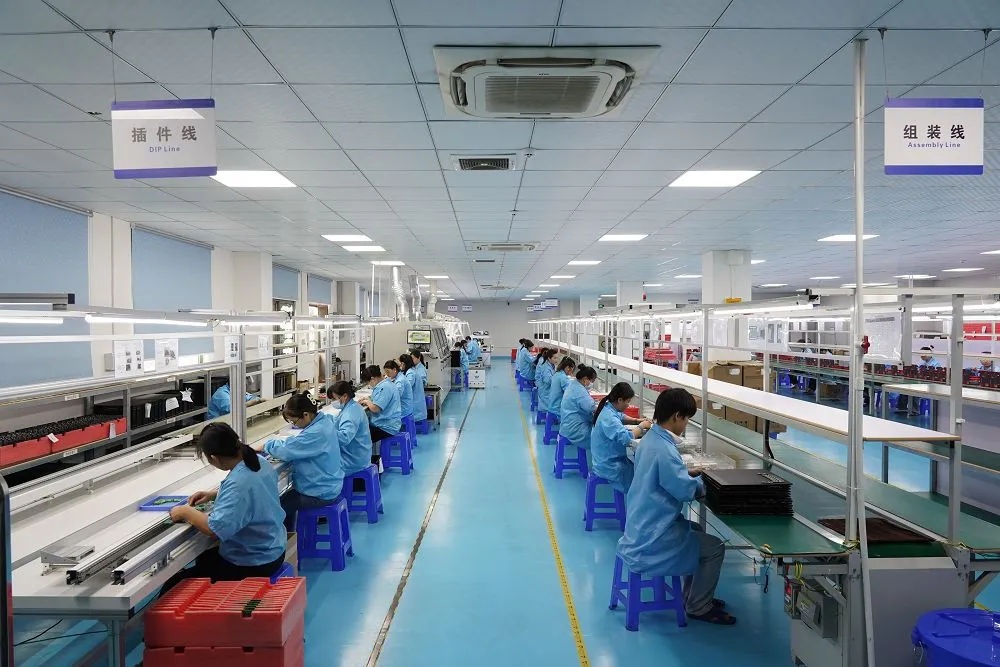
A stable production process is important for industrial products because many projects have repeat orders over a long period. Customers need reliable materials, consistent workmanship, and controlled production records. This is why we focus on documentation, process repeatability, component control, and final inspection.
Conformal Coating and Box Build Support
Some industrial PCBA products are used in environments with humidity, dust, vibration, or chemical exposure. In these cases, conformal coating may be required to protect the assembled board. Coating can help reduce risks caused by moisture, contamination, and corrosion, but it must be applied carefully to avoid connectors, test points, switches, or other areas that should not be coated.
For customers who need further integration, box build support can include cable connection, enclosure assembly, labeling, basic functional verification, and final packaging. This helps customers receive a more complete product instead of only bare assembled boards.
FAQ
Q1: What is industrial turnkey PCBA service?
It is a complete PCBA service for industrial electronic products, covering PCB fabrication, component sourcing, SMT assembly, through-hole assembly, inspection, testing, and final delivery. It helps customers reduce the need to manage multiple suppliers and makes the production process more efficient. For industrial projects, this is especially useful because component quality, testing, and production consistency are very important.
Q2: What files are needed for quotation?
Customers usually need to provide Gerber files, BOM, pick-and-place files, assembly drawings, quantity, testing requirements, and any special process notes. If the project needs conformal coating, programming, functional testing, box build assembly, or special packaging, these requirements should also be provided. More complete information allows the supplier to give a more accurate quotation and identify risks earlier.
Q3: Can you help with component sourcing?
Yes. Component sourcing can be supported according to the customer's BOM. Before purchasing, the BOM can be reviewed for package accuracy, availability, brand requirements, lead time, and possible replacement risks. If some components are obsolete or difficult to purchase, alternatives can be discussed with the customer before production. This helps reduce delays and wrong-part risks.
Q4: Why is DFM review important before assembly?
DFM review helps find production risks before the board enters assembly. Problems such as wrong footprints, unclear polarity, insufficient pad size, missing test points, difficult soldering areas, or poor panelization can cause assembly defects or testing failure. Early review helps improve prototype success, reduce rework, and make future mass production more stable.
Q5: What testing is recommended for industrial PCBA?
AOI and visual inspection are common, but industrial PCBA usually needs more than appearance checks. Depending on the project, X-ray, ICT, functional testing, and burn-in testing may be recommended. Functional testing is especially important because it confirms whether the PCBA performs according to the real application requirements.
Hot Tags: industrial turnkey PCBA, China industrial turnkey PCBA manufacturers, suppliers, factory