
Product Details
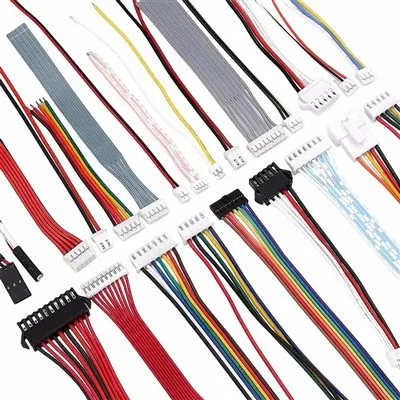
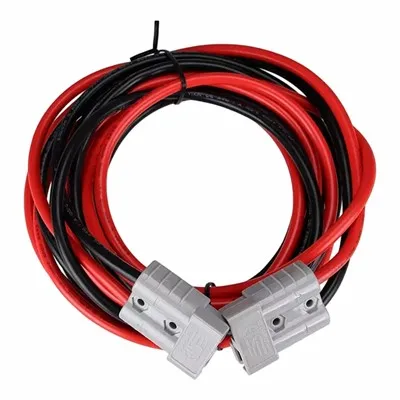
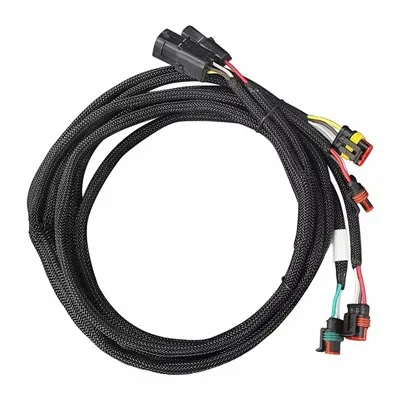
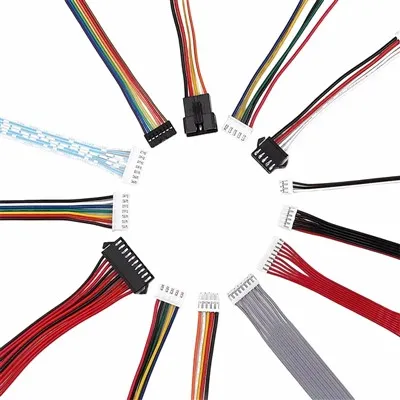
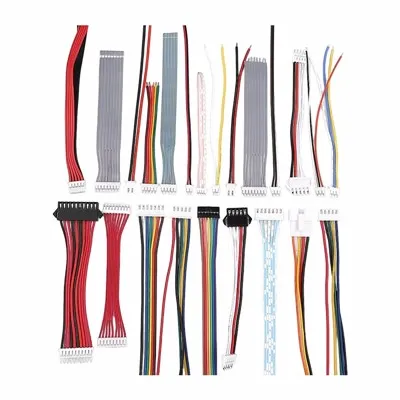
Automotive control wiring harness transmits low-voltage control signals between ECUs, switches and actuators. It uses thin multi-core cables and shielded wires to resist electromagnetic interference. Stable signal transmission guarantees normal operation of body control, chassis and safety systems. Strict continuity, insulation and environmental tests are required to avoid signal distortion in harsh vehicle conditions.

Engine Control System Applications
Engine management systems rely on control wiring harnesses to exchange information between sensors, actuators and control modules.
Typical connections include:
- Engine control units
- Fuel injection systems
- Ignition systems
- Air intake sensors
- Temperature sensors
- Throttle position sensors
Accurate signal transmission helps optimize engine performance, fuel efficiency and emissions control.
Even minor signal interruptions can affect overall vehicle operation, making harness reliability a key requirement.
Body Control Module Integration
Body Control Modules manage many comfort and convenience functions within modern vehicles.
Control harnesses support communication between:
- Power window systems
- Door lock systems
- Interior lighting controls
- Climate control modules
- Seat adjustment systems
- Vehicle security systems
These systems require consistent communication and stable electrical connections throughout the vehicle lifecycle.
Proper harness design helps reduce communication faults and system malfunctions.
Brake and Steering Control Systems
Vehicle safety systems place particularly demanding requirements on control wiring harnesses.
Applications include:
Electronic Brake Control
Brake modules rely on real-time sensor data and control signals.
Electric Power Steering
Control harnesses support communication between steering sensors and control units.
Stability Control Systems
Multiple sensors and controllers exchange information continuously during vehicle operation.
Traction Control Systems
Reliable signal transmission supports rapid system response.
Because these systems directly influence vehicle safety, harness quality and reliability are critical considerations.
Advanced Driver Assistance Systems
ADAS technology has significantly increased the complexity of automotive control networks.
Common ADAS-related applications include:
- Radar systems
- Camera modules
- Parking assistance systems
- Lane departure systems
- Collision warning systems
- Driver monitoring systems
These technologies depend on fast and accurate signal transmission between sensors and processing units.
Control wiring harnesses help maintain communication integrity across the vehicle architecture.

Communication Network Integration
Modern vehicles contain multiple communication protocols operating simultaneously.
Control harnesses frequently support:
CAN Networks
Widely used for vehicle communication and control functions.
LIN Networks
Often applied in body electronics and convenience systems.
FlexRay Networks
Used in applications requiring high-speed communication.
Ethernet-Based Automotive Networks
Increasingly adopted in advanced vehicle platforms.
Harness design must accommodate these communication requirements while minimizing interference and signal degradation.
Environmental Requirements
Control wiring harnesses operate throughout the vehicle and encounter a variety of environmental conditions.
Important considerations include:
Temperature Variation
Harnesses may be installed in both heated and cooled vehicle zones.
Vibration Exposure
Vehicle movement generates continuous vibration during operation.
Moisture Resistance
Certain locations require protection against humidity and water exposure.
Mechanical Protection
Routing paths must prevent abrasion and physical damage.
Meeting these environmental requirements helps ensure long-term system stability.
Applications in Electric Vehicles
Electric vehicles rely heavily on electronic control systems.
Control harnesses support functions such as:
- Battery management communication
- Motor control systems
- Thermal management systems
- Charging control modules
- Power distribution monitoring
- Vehicle diagnostics
The increasing electronic content of EVs continues to drive demand for sophisticated control harness solutions.

Industry Trends
Several automotive trends are expanding the role of control wiring harnesses.
These include:
- Vehicle electrification
- Autonomous driving technologies
- Connected vehicle platforms
- Advanced safety systems
- Software-defined vehicles
- Intelligent cockpit systems
As these technologies evolve, harness designs must support larger data volumes, more control modules and increasingly complex communication architectures.

Choosing the Right Automotive Control Harness Supplier
Manufacturers and automotive OEMs often evaluate suppliers based on several factors.
Key considerations include:
- Automotive project experience
- Engineering support capability
- Signal harness manufacturing expertise
- Automotive quality management systems
- Traceability capability
- Scalable production capacity
A qualified supplier can help ensure stable communication performance while supporting both prototype development and mass production programs.
Reliable control wiring harnesses contribute directly to vehicle functionality, safety and long-term reliability.
FAQ
Q: What is an Automotive Control Wiring Harness?
A: It is a wiring assembly used to connect control modules, sensors, actuators and communication systems within a vehicle.
Q: Which vehicle systems use control wiring harnesses?
A: Engine control systems, body control modules, braking systems, steering systems, ADAS platforms and communication networks commonly use control harnesses.
Q: Why is signal integrity important?
A: Stable signal transmission helps ensure accurate communication between electronic systems and supports reliable vehicle operation.
Q: What communication protocols are commonly supported?
A: CAN, LIN, FlexRay and automotive Ethernet networks are widely used in modern vehicles.
Hot Tags: automotive control wiring harness, China automotive control wiring harness manufacturers, suppliers, factory, auto electrical harness, custom automotive wiring, Custom Automotive Wiring Harness, custom car wiring, electrical harness assembly, engine wiring harness kit