
Product Details
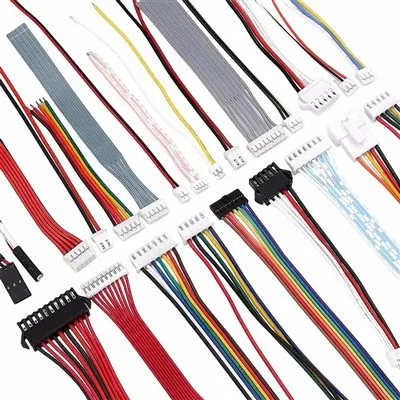
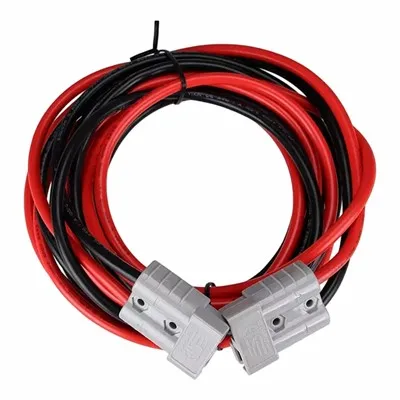
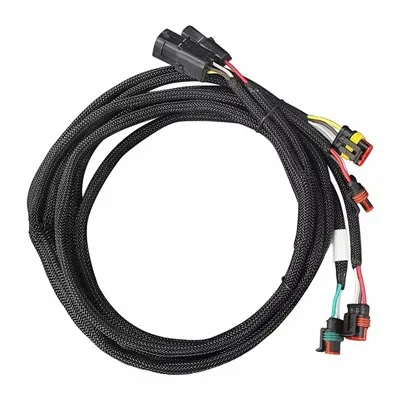
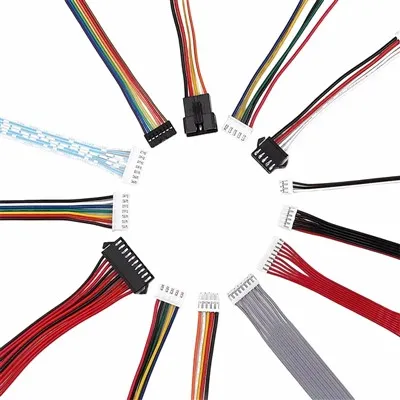
Automotive dashboard wiring harness connects the instrument cluster, infotainment unit, switches and ECUs inside the dashboard. It integrates multiple low-voltage signal and power lines with compact routing. It needs flexible structure and anti-interference design to fit limited space. Strict vibration, temperature cycle and continuity tests ensure stable operation of dashboard electronic modules.

Understanding Dashboard Harness Requirements
Before selecting a dashboard harness, it is necessary to evaluate the electrical and mechanical requirements of the vehicle platform.
A dashboard harness typically supports:
- Instrument clusters
- Infotainment systems
- Touchscreen displays
- Climate control modules
- Steering wheel controls
- USB charging modules
- Interior lighting systems
- Driver information displays
Each system may require different signal types, communication protocols and power levels.
A well-designed harness helps ensure reliable communication while simplifying vehicle assembly.

Connector Selection Considerations
Dashboard harnesses often contain a large number of connectors within a limited installation space.
Several factors should be evaluated during connector selection.
Space Utilization
Compact connectors help reduce dashboard packaging requirements.
Terminal Reliability
Stable terminal contact helps prevent intermittent electrical faults.
Locking Mechanisms
Secure locking structures improve resistance to vibration and accidental disconnection.
Assembly Efficiency
Connectors designed for fast installation can reduce vehicle assembly time.
Selecting appropriate connectors contributes to both manufacturing efficiency and long-term reliability.
Wire Selection for Cockpit Electronics
Different dashboard functions require different wire specifications.
Important considerations include:
Signal Transmission Requirements
Communication circuits may require shielded or twisted-pair wiring.
Current Capacity
Power distribution circuits require conductors sized according to load requirements.
Flexibility
Dashboard routing often includes tight installation paths.
Weight Reduction
Lighter harness designs can contribute to overall vehicle weight optimization.
Proper wire selection helps balance performance, durability and cost.
Cost Factors in Dashboard Harness Procurement
Purchasing decisions should focus on total project value rather than component cost alone.
Several factors influence overall harness cost.
Connector Quantity
Modern digital cockpits often require numerous interconnections.
Harness Complexity
Additional branches and routing paths increase manufacturing effort.
Protection Materials
Protective coverings and retention devices add cost but improve durability.
Testing Requirements
Enhanced quality verification may increase production cost while reducing field failures.
Evaluating total lifecycle cost often provides a more accurate purchasing perspective.
Installation and Assembly Efficiency
Dashboard installation is one of the most labor-intensive stages of vehicle assembly.
Harness design can significantly influence assembly efficiency.
√ Pre-Configured Branches
Optimized branch layouts simplify installation.
√ Connector Identification
Clear labeling helps reduce assembly errors.
√ Routing Optimization
Proper routing minimizes interference with other components.
√ Modular Design
Modular harness structures can support easier vehicle assembly and maintenance.
Efficient designs help manufacturers reduce production time and labor costs.
Reliability Considerations
Although dashboard harnesses operate in a relatively protected environment, reliability remains a critical requirement.
Important factors include:
√ Vibration Resistance
Vehicle operation generates continuous vibration throughout the cabin.
√ Temperature Stability
Dashboard electronics experience temperature changes during vehicle operation.
√ Connector Durability
Repeated service operations require reliable mating performance.
√ Signal Integrity
Stable communication supports proper operation of electronic systems.
Addressing these factors helps improve overall vehicle quality.
Quality Control Requirements
Quality management plays an important role in dashboard harness production.
Typical inspection procedures include:
√ Material Verification
Incoming wires, terminals and connectors are inspected before production.
√ Crimp Inspection
Terminal crimp quality is verified according to established standards.
√ Circuit Testing
Electrical continuity and circuit accuracy are confirmed.
√ Visual Inspection
Finished harnesses are checked for workmanship and configuration accuracy.
√ Dimensional Verification
Critical lengths and branch positions are measured against approved drawings.
These quality controls help ensure production consistency.
Applications in Modern Vehicle Cockpits
The role of dashboard harnesses continues to expand as vehicle electronics become more sophisticated.
Common applications include:
√ Digital Instrument Clusters
Supporting high-resolution display systems.
√ Infotainment Platforms
Connecting multimedia and communication modules.
√ Smart Cockpit Systems
Integrating multiple vehicle control functions.
√ Connected Vehicle Features
Supporting communication between onboard systems and external networks.
√ Advanced Human-Machine Interfaces
Enabling interaction between drivers and vehicle electronics.
These applications continue driving demand for more advanced harness solutions.
Choosing the Right Dashboard Harness Supplier
Selecting a supplier requires evaluation of both technical capability and production capacity.
Important considerations include:
- Automotive manufacturing experience
- Connector sourcing capability
- Engineering support resources
- Quality management systems
- Traceability capability
- Mass production experience
A qualified supplier can help reduce development risks, improve assembly efficiency and support long-term vehicle programs.
Reliable dashboard wiring harnesses contribute directly to cockpit functionality, user experience and vehicle reliability.

FAQ
What is an Automotive Dashboard Wiring Harness?
It is a wiring assembly that connects dashboard electronics, displays, control modules and infotainment systems within a vehicle.
Which systems are commonly connected by dashboard harnesses?
Instrument clusters, infotainment systems, HVAC controls, displays, steering wheel controls and interior electronic modules commonly use dashboard harnesses.
Why is connector selection important?
Connector quality influences installation efficiency, vibration resistance and long-term electrical reliability.
What tests are commonly performed on dashboard harnesses?
Continuity testing, crimp inspection, dimensional verification and visual inspection are commonly used.
Hot Tags: automotive dashboard wiring harness, China automotive dashboard wiring harness manufacturers, suppliers, factory, Automotive Power Cable Harness, automotive wire harness connector, automotive wiring kits components, car electrical harness, pcb wire harness, Vehicle Electrical Wiring Harness