
Product Details
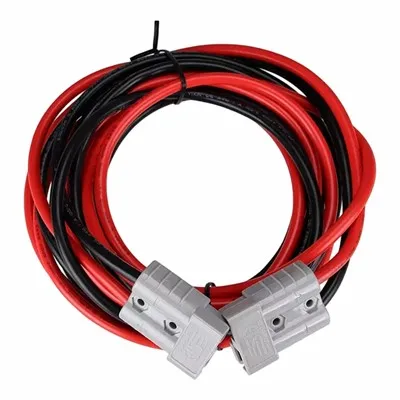
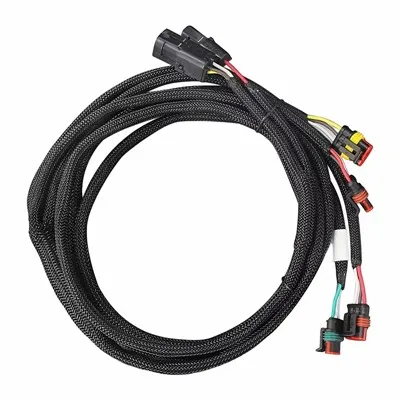
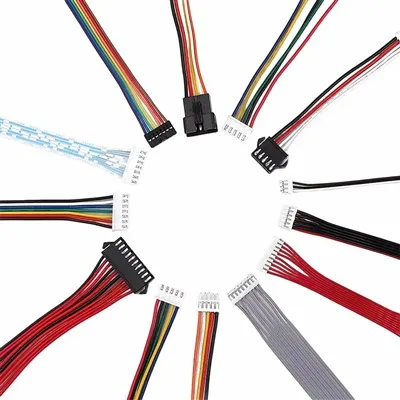
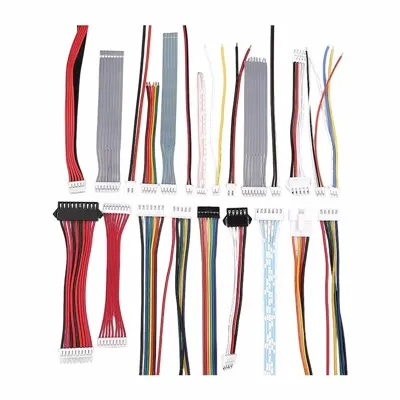
Automotive lighting wiring harness supplies power and control signals to vehicle headlights, taillights and auxiliary lamps. It must endure high working temperature, vibration and moisture. Proper wire gauge, flame-retardant insulation and reliable connectors prevent overheating and open circuits. Production follows automotive quality standards, with strict continuity and insulation tests to guarantee stable lighting operation.

Understanding Lighting System Requirements
Before selecting a wiring harness, it is important to understand the operating conditions of the lighting system.
Different lighting applications place different demands on the harness.
Common lighting applications include:
- Headlight systems
- Rear lighting assemblies
- Daytime running lights
- Fog lights
- Interior lighting
- Ambient lighting
- Signal indicators
- Adaptive lighting modules
Each application requires different wire sizes, connector types and environmental protection levels.
A harness designed for interior lighting may not be suitable for engine-compartment lighting applications where temperatures are significantly higher.

Wire Selection for Automotive Lighting
Wire selection is one of the most important purchasing considerations.
Several factors should be evaluated during the design and sourcing process.
Current Carrying Capacity
Wire size must support the expected electrical load without excessive voltage drop.
Temperature Resistance
Lighting systems installed near engines or power electronics may require high-temperature insulation materials.
Flexibility Requirements
Certain vehicle designs require wiring to pass through narrow installation areas.
Environmental Protection
Outdoor lighting applications require materials capable of resisting moisture, chemicals and road debris.
Selecting the correct wire specification helps improve system reliability and reduce maintenance issues.
Connector Selection Considerations
Connectors play a critical role in lighting system performance.
Poor connector selection can result in intermittent operation, increased resistance or premature failure.
Important considerations include:
Waterproof Performance
Sealed connectors help prevent moisture intrusion.
Mechanical Locking
Reliable locking structures reduce the risk of disconnection caused by vibration.
Contact Reliability
Stable electrical contact supports consistent lighting performance.
Serviceability
Maintenance requirements should be considered during connector selection.
Connector quality often has a significant impact on overall harness durability.
Harness Protection and Routing
Lighting harnesses are frequently exposed to challenging environmental conditions.
Protective materials help improve service life and reliability.
Common protection methods include:
- Corrugated tubing
- Braided sleeving
- Heat-shrink tubing
- Protective tape wrapping
- Waterproof sealing systems
- Routing design is equally important.
Proper routing helps prevent:
- Abrasion damage
- Excessive bending
- Heat exposure
- Mechanical interference
- Installation difficulties
Well-designed routing can significantly improve long-term reliability.

Cost Factors in Lighting Harness Procurement
Purchasing decisions should consider more than unit pricing alone.
Several factors influence total project cost.
Material Selection
Higher-grade materials often improve durability but increase initial cost.
01
Connector Complexity
Sealed automotive connectors generally cost more than standard connector systems.
02
Harness Configuration
Additional branches, protection materials and customized layouts increase manufacturing complexity.
03
Testing Requirements
More comprehensive testing can improve quality assurance but may affect production cost.
Evaluating total lifecycle value often provides a more accurate assessment than focusing only on purchase price.
04
Reliability Requirements
Vehicle lighting systems are safety-related components.
Reliability requirements are therefore typically higher than those of many general electronic products.
Key reliability factors include:
√ Vibration Resistance
Vehicles generate continuous vibration during operation.
√ Moisture Resistance
Outdoor lighting systems are exposed to rain, humidity and washing processes.
√ Temperature Stability
Lighting assemblies may experience significant temperature variation.
√ Long-Term Electrical Performance
Stable current transmission supports consistent lighting output.
Harness designs that address these requirements often achieve longer service life and lower failure rates.

Quality Control During Manufacturing
Consistent manufacturing quality is essential for automotive applications.
Typical quality control activities include:
√ Material Verification
Incoming wire, terminals and connectors are inspected before production.
√ Crimp Quality Inspection
Crimp integrity directly affects electrical and mechanical performance.
√ Assembly Verification
Harness configuration is checked against approved drawings.
√ Electrical Testing
Continuity, insulation and circuit verification help identify assembly defects.
√ Final Inspection
Completed harnesses undergo visual and dimensional verification.
These controls help ensure product consistency throughout production.
Applications in Modern Vehicles
Automotive lighting harnesses are used across multiple vehicle categories.
Typical applications include:
√ Passenger Vehicles
Supporting front, rear and interior lighting systems.
√ Commercial Vehicles
Providing reliable operation in demanding service environments.
√ Electric Vehicles
Supporting advanced LED and intelligent lighting technologies.
√ Off-Road Vehicles
Operating under harsh environmental conditions.
√ Specialty Vehicles
Customized harnesses for unique lighting configurations.
As vehicle lighting technology continues to evolve, harness designs must adapt to support new performance requirements.
Choosing the Right Manufacturing Partner
Selecting a qualified harness manufacturer can reduce project risk and improve production efficiency.
Important evaluation criteria include:
- Automotive manufacturing experience
- Connector sourcing capability
- Crimping expertise
- Testing resources
- Traceability systems
- Production scalability
A supplier with strong engineering and manufacturing capabilities can support both prototype development and volume production programs.
Long-term partnerships often contribute to improved quality, reduced lead times and greater supply chain stability.

FAQ
What is an Automotive Lighting Wiring Harness?
It is a cable assembly that distributes electrical power and control signals to vehicle lighting systems.
Which vehicle lighting systems use wiring harnesses?
Headlights, tail lights, fog lamps, daytime running lights, interior lighting and adaptive lighting systems commonly use dedicated wiring harnesses.
Why is connector selection important?
Connectors influence electrical reliability, environmental protection and long-term durability.
What testing is commonly performed on lighting harnesses?
Continuity testing, insulation testing, crimp inspection and dimensional verification are commonly performed.
Hot Tags: automotive lighting wiring harness, China automotive lighting wiring harness manufacturers, suppliers, factory, Automotive Cable Harness, cable and harness assembly, custom automotive wiring, engine wiring harness kit, pcb wire harness, wiring harness in automotive