
Product Details
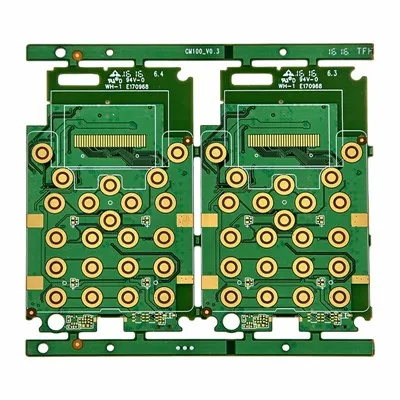
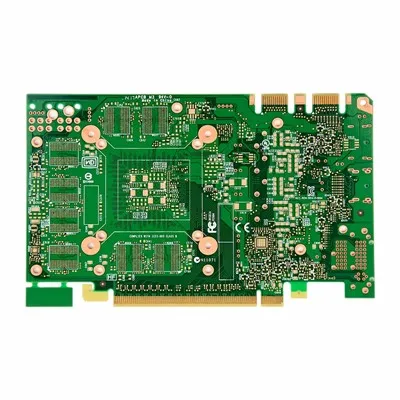
High-TG PCB refers to printed circuit boards manufactured using high glass-transition-temperature FR4 dielectric materials. TG (glass-transition temperature) represents the temperature threshold at which the base material changes from rigid glass-like state to soft rubber-like state. Compared with standard FR4, high-TG PCBs exhibit better heat resistance, thermal dimensional stability and resistance to thermal stress during multiple high-temperature processing cycles such as reflow soldering. They effectively reduce risks of delamination, blistering and layer separation, widely used for high-power boards, multilayer PCBs, HDI boards and products working under sustained elevated-temperature conditions. Nevertheless, high-TG materials come with higher material and manufacturing costs. Engineers and procurement teams should adopt high-TG PCBs only when thermal conditions justify the upgrade, instead of applying high-TG specifications to all projects.

Understanding the TG Value
TG stands for Glass Transition Temperature. It represents the temperature at which the PCB substrate transitions from a rigid state to a softer, more flexible state.
When a PCB repeatedly operates near or above its TG value, the material may experience:
Dimensional instability
Increased expansion rates
Reduced hole reliability
Layer separation risks
Assembly defects
Standard FR4 materials typically have a TG value around 130°C to 140°C, while High TG laminates often range from 170°C to over 180°C.
A higher TG does not necessarily mean better electrical performance, but it usually means better thermal endurance and improved reliability in demanding environments.

High TG PCB vs Standard FR4
One of the most common sourcing questions is whether upgrading to High TG material is necessary.
The answer depends largely on the product's operating conditions.
|
Item |
Standard FR4 |
High TG PCB |
|
TG Value |
130–140°C |
170–180°C+ |
|
Thermal Stability |
Moderate |
Excellent |
|
Multilayer Reliability |
Good |
Better |
|
Lead-Free Assembly Compatibility |
Standard |
Enhanced |
|
Material Cost |
Lower |
Higher |
|
Suitable for High-Temperature Applications |
Limited |
Yes |
For low-power consumer electronics, the benefits of High TG material may not justify the additional expense.
For products exposed to elevated temperatures or multiple soldering cycles, however, High TG materials can significantly reduce reliability risks.
Applications Where High TG PCB Provides Value
Rather than selecting High TG material by default, buyers should evaluate whether the application genuinely requires enhanced thermal performance.
High TG PCBs are commonly used in:
Automotive Electronics
Electronic control units, battery management systems and power conversion modules often operate in elevated temperature environments.
01
Industrial Equipment
Industrial control systems may experience continuous operation and limited cooling conditions.
02
Power Electronics
Products handling higher currents often generate substantial heat that can affect PCB performance over time.
03
Communication Infrastructure
Network and communication devices frequently contain dense component layouts that increase thermal stress.
04
LED Drivers and Power Supplies
Thermal buildup inside compact enclosures can reduce the lifespan of standard PCB materials.
In these applications, improved thermal resistance often translates directly into better long-term reliability.
05
Common Purchasing Mistakes
Many companies either over-specify or under-specify PCB materials.
Both approaches can increase project costs.
Choosing High TG When It Is Not Required
For low-temperature applications, upgrading materials may increase costs without providing meaningful performance improvements.
Selecting Standard FR4 for High-Temperature Products
Attempting to reduce material costs can sometimes lead to field failures, warranty claims and reduced product lifespan.
Ignoring Assembly Conditions
Even if the final product operates at moderate temperatures, lead-free soldering processes may expose the PCB to high thermal stress during manufacturing.
Focusing Only on Material Price
The difference in laminate cost may represent only a small percentage of the total project cost, while reliability improvements can significantly reduce long-term expenses.
Successful sourcing decisions consider both immediate costs and lifecycle performance.
Manufacturing Considerations
Producing a High TG PCB generally follows the same manufacturing process as standard multilayer boards, but material handling and process control remain important.
Manufacturers typically pay particular attention to:
- Lamination parameters
- Drill quality
- Hole wall integrity
- Thermal stress resistance
- Material traceability
- Dimensional stability
When evaluating suppliers, buyers should verify not only that High TG materials are available but also that the manufacturer has experience processing them consistently.
Material quality and process control often have a greater impact on final reliability than the TG value alone.
Reliability Benefits
The primary reason companies choose High TG PCB materials is improved reliability under thermal stress.
Potential benefits include:
- Reduced board warpage
- Improved multilayer stability
- Better plated-hole reliability
- Enhanced resistance to thermal cycling
- Longer product lifespan
- Lower risk of delamination
These advantages become increasingly important as electronic devices continue to operate at higher power levels and within more compact enclosures.
For products expected to remain in service for many years, reliability improvements often outweigh modest material cost increases.
Verification of High‑TG Necessity
Before upgrading materials, engineers and buyers should review several factors:
Operating Temperature
Determine the maximum temperature the PCB will experience during normal operation.
Thermal Cycling Conditions
Repeated heating and cooling can create stress even when peak temperatures remain moderate.
Product Life Expectancy
Long-life products generally benefit more from enhanced thermal stability.
Assembly Requirements
Lead-free assembly processes may influence material selection.
Reliability Targets
Applications with strict reliability expectations often justify the use of High TG materials.
Evaluating these criteria helps ensure that material decisions are based on actual engineering requirements rather than assumptions.
Future Demand for High TG PCB
Several industry trends continue to increase demand for High TG materials:
- Electric vehicles
- Industrial automation
- High-power electronics
- Communication infrastructure
- Renewable energy systems
As electronic products generate more heat while becoming increasingly compact, thermal management remains a growing design challenge.
High TG PCB technology provides manufacturers with a practical way to improve thermal reliability without significantly changing existing PCB architectures.
For many industrial and automotive applications, High TG materials are becoming a standard design choice rather than a premium upgrade.

FAQ
What does TG mean in PCB materials?
TG refers to Glass Transition Temperature, the point at which the laminate begins to soften and change its mechanical properties.
Is High TG PCB always better than standard FR4?
Not necessarily. High TG materials provide better thermal performance but may not be required for lower-temperature applications.
Which industries commonly use High TG PCBs?
Automotive, industrial control, power electronics, communication equipment and renewable energy systems frequently utilize High TG materials.
Does High TG PCB improve electrical performance?
Its primary advantage is thermal stability and reliability rather than significant electrical performance improvements.
Hot Tags: high tg pcb, China high tg pcb manufacturers, suppliers, factory, rigid printed circuit board, rigid rigid and flexible pcb