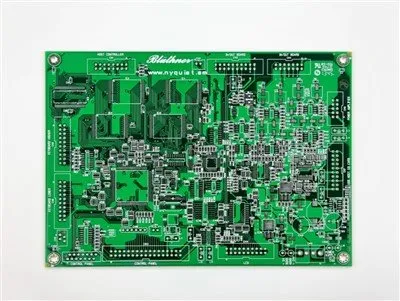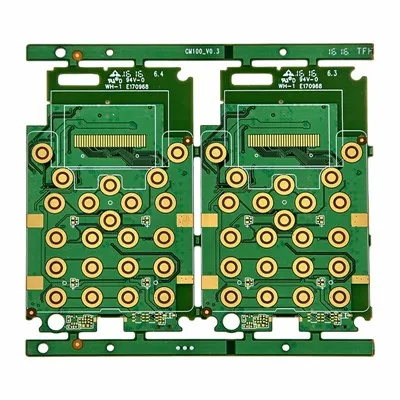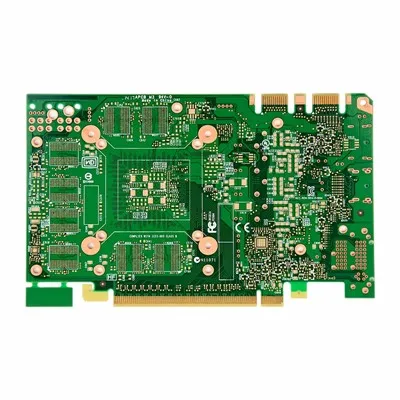
The origins of PCBA (Printed Circuit Board Assembly) can be traced back to the transition of early electronic devices from "point-to-point wiring" to "modular circuits." In early 20th-century electronic devices, circuits primarily relied on direct wire connections between components. This method was not only structurally loose but also had low reliability. With the development of complex electronic systems such as radio and radar, people began to experiment with using fixed substrates to support circuit structures; this was the prototype of the PCB. By the 1940s and 50s, PCBs had matured, and the processes of etching copper foil circuitry and insulating substrates became widespread, laying the foundation for the subsequent formation of PCBA.
PCBA emerged with the development of automated soldering and electronic assembly technologies. As electronic products moved from the laboratory to industrial production, PCBs alone were insufficient; it was also necessary to efficiently and stably assemble components such as resistors, capacitors, and integrated circuits onto the board. Thus, SMT (Surface Mount Technology) and THT (Through Hole Technology) gradually developed. The introduction of SMT, in particular, enabled automated placement machines to complete component installation at high speed and high precision, significantly improving production efficiency and marking PCBA as the standard form of modern electronic manufacturing.