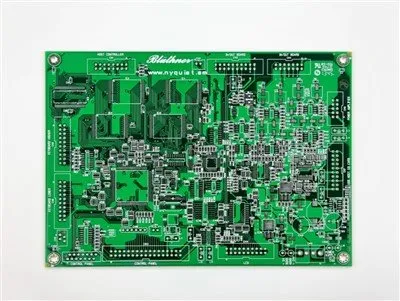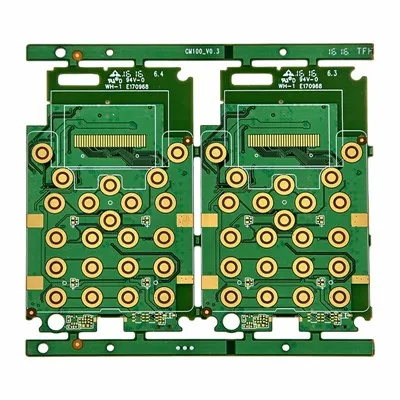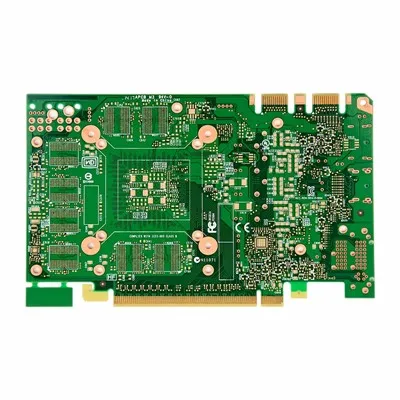
PCBA (Printed Circuit Board Assembly) is an abbreviation for the printed circuit board assembly process, referring to the process of assembling components on a bare PCB using surface mount technology (SMT) or dual in-line package (DIP) technology. In European and American standards, this term is often represented by "PCB'A" (the single quotation marks are the official usage). Its substrates mainly include bakelite and fiberglass boards, and commonly used metal coatings are tin, gold, and silver.
PCBA is widely used in electronic products such as smartphones, computers, and touch panels. Core manufacturing technologies include high-density interconnect (HDI) and component embedding. Major global production bases are located in mainland China, Japan, Taiwan, and Europe and the United States. By 2025, China will account for over 50% of global PCB production capacity. Industry trends are moving towards miniaturization and high density, intelligent manufacturing, high reliability and long lifespan, and green sustainability. Among these, 64-layer ultra-high-layer PCB products have a maximum thickness of 5.0mm, an aspect ratio of 20:1, and use a Tg170 high-temperature resistant substrate.