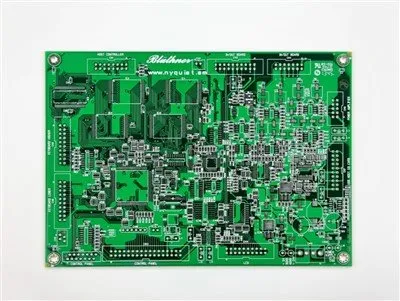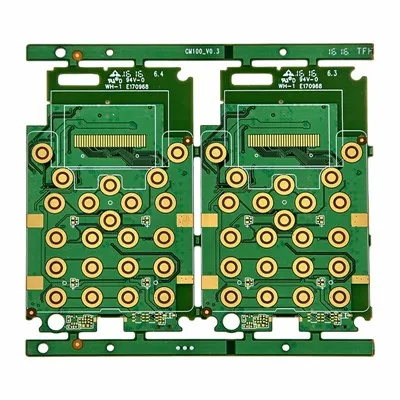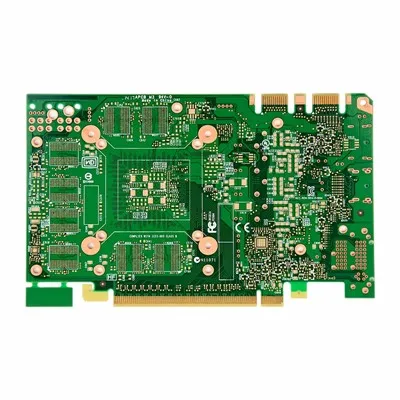
The signal-first design philosophy in PCB design is particularly evident in high-speed and high-precision circuits. The design focus shifts from simply ensuring connectivity to ensuring the rationality of signal paths, including length matching, impedance continuity, and return path integrity. Many design problems stem not from functional logic, but from physical routing details, such as interrupted return paths, impedance abrupt changes due to excessive vias, or critical signals crossing ground planes. These issues often manifest as intermittent faults or unstable performance during debugging; therefore, physical constraints should be considered during the design phase, rather than relying on later modifications.
A systematic and manufacturability-oriented approach ensures not only usability but also stable production capabilities. Excellent PCB designs anticipate process capability boundaries, such as minimum trace width and spacing, via limitations, and layer stack-up feasibility, aligning with actual manufacturing processes. They also consider heat dissipation, assembly, and maintenance needs, such as reserving test points, optimizing component placement, and reducing repair complexity. In essence, PCB design is no longer just a part of circuit design, but a part of electronic systems engineering, which requires finding a long-term balance between performance, reliability and manufacturing cost.