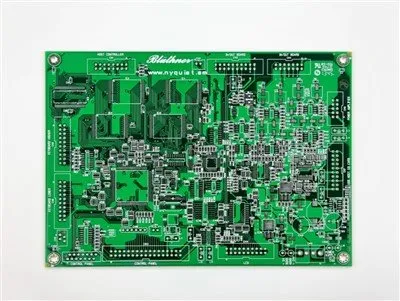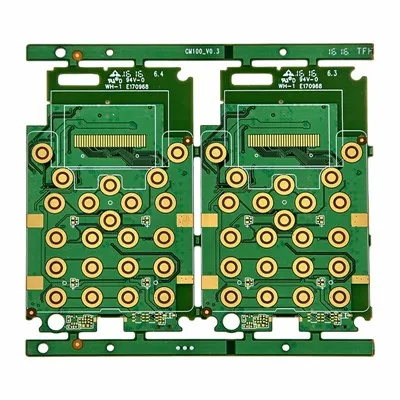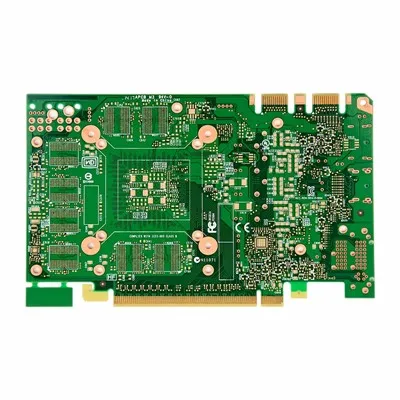
The core technologies of PCBs are primarily reflected in high-density interconnect (HDI) and fine-line manufacturing capabilities. As electronic products continue to miniaturize, traditional wiring methods are no longer sufficient to meet the dual requirements of space and performance. Therefore, compressing the connections between different layers to a smaller scale through structures such as microvias, blind vias, and buried vias has become crucial. Simultaneously, line widths and spacing are constantly shrinking, evolving from the early 0.2mm level to more refined micron-level processes.
Signal integrity and impedance control technologies are core to high-speed circuits. With the widespread adoption of high-speed interfaces such as DDR, PCIe, and USB4, PCBs are no longer simply carriers of conductors but require strict control over electrical characteristics. Precisely designing trace widths, dielectric thicknesses, and reference ground plane structures to maintain stable signal impedance is key to avoiding reflections, crosstalk, and signal attenuation. At the same time, stack-up design has become particularly important; the proper combination of different signal layers, power layers, and ground layers directly affects the overall electrical performance of the board.
Reliability and system-level manufacturing technologies include thermal management, electromagnetic compatibility (EMC), and the application of advanced materials. In high-power-density devices, PCBs need to utilize large areas of copper foil, thermal vias, or even metal substrates for heat dissipation; otherwise, localized temperature rises will directly affect device lifespan. Electromagnetic compatibility (EMC) technology reduces external interference and its own radiation through partitioned layout, shielding design, and optimized ground return paths.