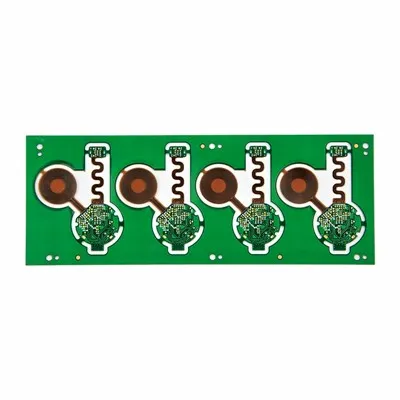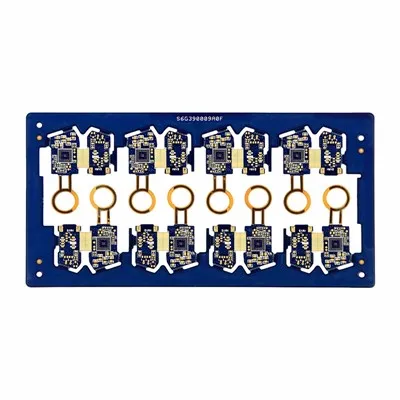
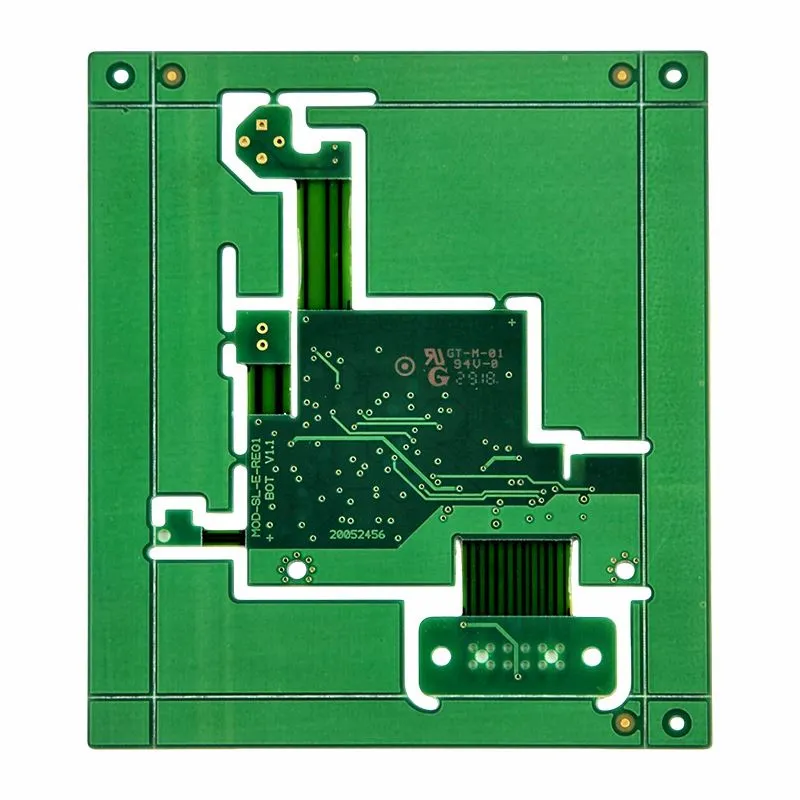
Medical device development usually involves strict validation, stable performance requirements, and careful material control. Whether the project is a patient monitor, diagnostic device, wearable healthcare product, medical sensor, portable testing device, laboratory instrument, or control module, the prototype board must support real functional testing and future production planning.
Our Medical PCB Prototype Assembly service is designed for customers who need dependable prototype support from early file review to finished assembled boards. For medical electronics customers, the main concern is not only whether the sample can be built, but whether it can be used for real device testing, firmware debugging, signal verification, mechanical fit checking, and preparation for later production.
During the prototype stage, many problems may appear: BOM items may be unavailable, component packages may not match the PCB footprint, polarity markings may be unclear, test points may be missing, connectors may interfere with the enclosure, or small components may be difficult to assemble reliably. If these issues are not found early, customers may face repeated revisions, delayed validation, and increased development cost.
That is why our prototype support focuses on practical risk control. We review production files, check BOM accuracy, support small-quantity component sourcing, assemble SMT and through-hole parts, inspect soldering quality, and provide testing support when required. The goal is to help customers receive prototypes that are useful for real engineering evaluation, not just visually assembled boards.
Reducing Prototype Development Risks
Medical prototype projects are often time-sensitive. Customers may need samples for internal engineering tests, customer demonstrations, investor presentations, certification preparation, or early device validation. A delay caused by one missing component or one file mismatch can affect the entire project schedule.
One of the biggest risks is BOM uncertainty. Medical prototype quantities are usually small, but some components may have high MOQ, long lead time, limited stock, or obsolete status. Some alternatives may be available, but using unapproved substitutes in a medical project can affect signal performance, power behavior, firmware compatibility, or future validation results. For this reason, component changes should be reviewed and confirmed before purchasing.
Before production, BOM review can help check part numbers, package types, footprints, brand requirements, availability, lead time, and replacement risks. If there is a sourcing issue, we can communicate with the customer before assembly begins. This helps avoid wrong parts, unnecessary waiting time, and repeated prototype builds.
DFM and DFA review are also important. A design may be electrically correct but still difficult to assemble or test. For example, a fine-pitch IC may need better pad control, a connector may be too close to the board edge, or a medical sensor area may require cleaner handling. Early review helps identify these issues while changes are still easier and less costly.
|
Prototype Risk Area |
Customer Pain Point |
Support Focus |
|
BOM Review |
Wrong parts, unavailable components, or long lead time |
Check part number, package, footprint, stock, and alternatives |
|
PCB Files |
Gerber, placement, or assembly data may be incomplete |
Review files before production |
|
Component Sourcing |
Small quantities may be difficult to purchase |
Support prototype-level sourcing and approval of alternatives |
|
SMT Assembly |
Fine-pitch parts may shift or solder poorly |
Control solder paste, placement accuracy, and reflow process |
|
Through-Hole Assembly |
Connectors and terminals may need stronger soldering |
Use suitable soldering methods and inspect joint quality |
|
Testing Access |
Test points may be missing or difficult to reach |
Review testability before production if required |
|
Documentation |
Future production may lack clear records |
Record BOM changes, assembly notes, and testing requirements |
A reliable prototype process helps customers reduce development uncertainty. It also provides useful feedback for the next design revision or later small-batch production.
BOM Review and Medical Component Sourcing
Medical electronics customers usually care about component reliability, consistency, and future availability. A prototype may pass initial testing, but if the components cannot be sourced later, the project may face redesign or revalidation. This is why sourcing decisions during the prototype stage should consider both immediate availability and future production needs.
For key components such as sensors, ICs, communication modules, power management chips, connectors, and battery-related parts, package accuracy and supply stability are important. If a replacement is needed, it should be reviewed based on electrical performance, footprint, operating conditions, and customer approval.
This sourcing process helps customers avoid hidden risks. The goal is not only to build the first sample quickly, but also to create a practical foundation for later engineering validation and low-volume production.
DFM / DFA Engineering Support
Medical prototype boards often include compact layouts, small packages, connectors, sensors, and mixed assembly processes. These features can create manufacturing challenges. DFM and DFA review help reduce avoidable problems before production starts.
The review can include Gerber file checking, BOM-to-footprint comparison, polarity and orientation review, SMT pad assessment, through-hole size review, connector clearance checking, panelization suggestions, test point review, and assembly feasibility feedback. For boards with BGA, QFN, or fine-pitch components, soldering and inspection requirements can also be discussed.
This engineering support is especially useful because medical device development often has longer validation cycles. Finding problems before assembly helps customers avoid delayed testing, repeated sample orders, and unnecessary redesign.

Improving Assembly Quality and Testing Confidence
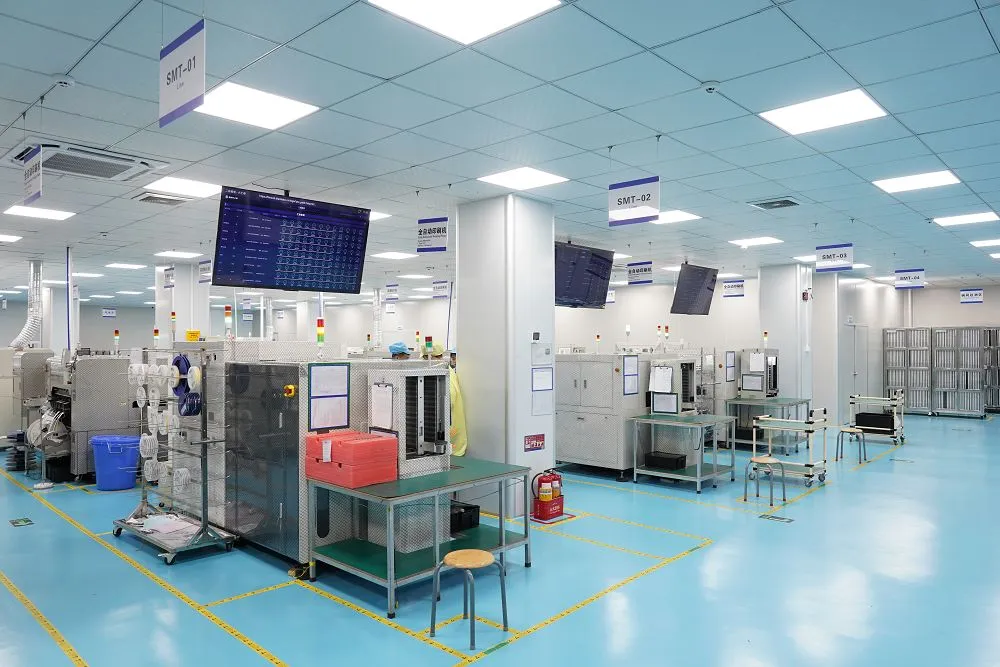
Medical prototype boards must be assembled carefully because customers often use them for real functional testing. A board that looks acceptable may still fail if solder joints are weak, components are misplaced, hidden joints are defective, or cleaning is not suitable for the application.
For SMT assembly, solder paste printing, stencil design, placement accuracy, and reflow control all affect the final result. Small components, fine-pitch ICs, QFN, BGA, sensors, and communication modules require stable process control. For through-hole assembly, connectors, switches, terminals, and larger components must be soldered firmly because they may experience mechanical stress during device testing or installation.
Our Rapid Medical Prototype PCBA support focuses on balancing speed with reliability. Fast delivery is important, but a rushed sample that cannot be tested properly creates more delays later. We pay attention to component correctness, soldering quality, inspection, clean handling, and test readiness so that customers can move forward with confidence.
Clean handling is also important for many medical electronics projects. Flux residue, solder balls, dust, fingerprints, or contamination may affect appearance, insulation, connector contact, or signal stability. Depending on project requirements, cleaning and packaging methods can be confirmed before production.
Testing and Inspection
Testing requirements vary by project. Some customers only need assembled boards for internal testing, while others require programming, electrical checks, functional testing, or inspection records before shipment. For medical prototypes, testing is valuable because it helps confirm whether the board is suitable for the next stage of validation.
|
Inspection / Testing Item |
Purpose |
Customer Benefit |
|
Incoming Inspection |
Checks PCB and component condition before assembly |
Reduces material-related defects |
|
AOI Inspection |
Detects missing parts, wrong parts, polarity errors, and visible solder defects |
Improves assembly accuracy |
|
X-ray Inspection |
Checks BGA, QFN, and hidden solder joints if required |
Reduces hidden soldering risks |
|
Electrical Check |
Detects open circuits, short circuits, and basic connection issues |
Helps avoid obvious failures before testing |
|
Programming |
Loads firmware or software if required |
Supports faster device validation |
|
Functional Testing |
Verifies whether the board works according to customer requirements |
Confirms real application performance |
|
Final Visual Inspection |
Checks soldering, labels, connectors, cleanliness, and appearance |
Reduces shipment and handling risks |
Functional testing is especially useful for medical products. A patient monitoring board may require communication or signal checks, a portable device may need battery and charging verification, and a sensor module may need response testing. If customers provide test procedures or fixtures, the testing process can follow their requirements more accurately.
Application Areas
This service can support many medical electronics development projects, including patient monitor prototypes, diagnostic device boards, wearable healthcare devices, medical sensor modules, portable health products, laboratory testing equipment, imaging-related modules, and control boards.
Different applications have different priorities. Wearable devices may need compact SMT assembly and lightweight structure. Diagnostic instruments may require stable signal transmission and repeatable performance. Sensor boards may require clean soldering and careful component placement. Portable healthcare devices may need programming, charging tests, and connector reliability checks.
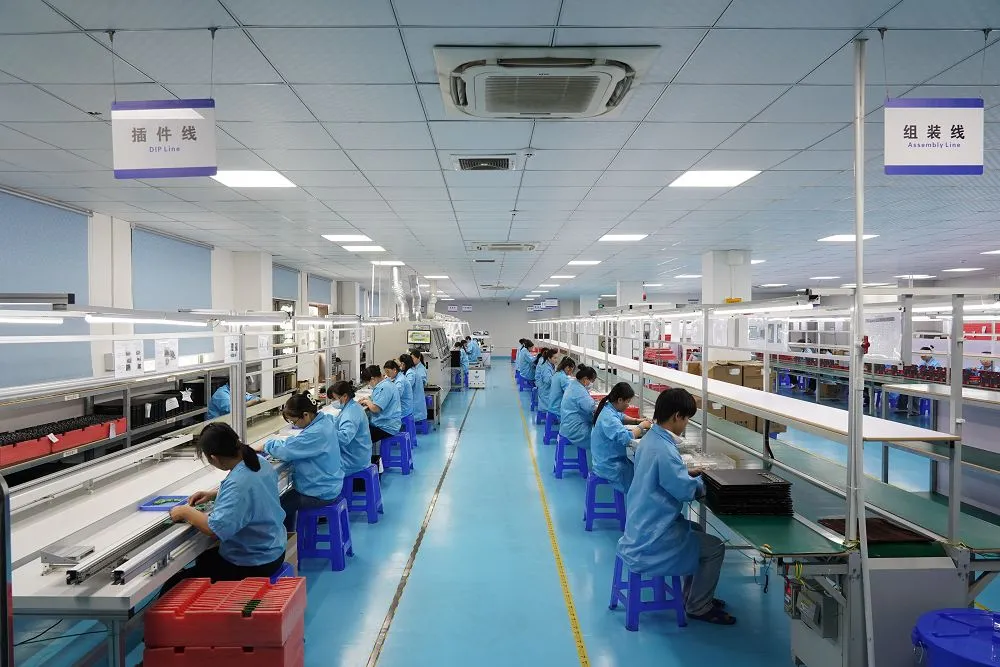
A good prototype assembly process should match the customer's validation goal. Some projects need fast samples for functional testing. Some need assembly feedback for design revision. Others need clear records for later small-batch production.

From Prototype to Small Batch Production
A medical prototype is often the first step in a longer product development process. After the prototype is approved, the project may move to engineering validation, small-batch production, pilot run, or mass production. To make this transition smoother, production files, approved BOM versions, alternative component records, assembly notes, test methods, and inspection standards should be maintained clearly.
Our Quick Turn Medical PCB Assembly support helps customers reduce early-stage delays while keeping useful production information for future builds. If an issue is found during prototype assembly, the feedback can help improve the next revision. If a component is replaced, the change can be recorded for later review. If a testing method is confirmed, it can become part of the future production standard.
This approach helps reduce the common problem where a prototype works once but later batches become inconsistent. Clear records and controlled processes help customers move from prototype validation to low-volume production with less repeated communication.
FAQ
Q1: What files are needed for quotation?
Customers usually need to provide Gerber files, BOM, pick-and-place files, assembly drawings, quantity, and testing requirements. If programming, functional testing, cleaning, coating, or special packaging is required, these details should also be included. Complete files help improve quotation accuracy and allow early risk review.
Q2: Can you source components for medical prototype projects?
Yes. Component sourcing can be supported according to the customer's BOM. Before purchasing, part numbers, package types, availability, lead time, and possible replacement risks can be checked. If a substitute is required, it should be confirmed with the customer before use, especially for medical electronics projects.
Q3: Why is DFM review important for medical prototypes?
DFM review helps identify problems such as mismatched footprints, unclear polarity, insufficient test points, connector interference, difficult soldering areas, and assembly risks before production starts. Finding these issues early helps reduce repeated sample builds and development delays.
Q4: Can you support functional testing?
Yes, functional testing can be supported if the customer provides testing requirements, procedures, or fixtures. Depending on the product, testing may include power checks, signal response, communication function, programming verification, or basic operation checks. Functional testing helps confirm whether the prototype is ready for further validation.
Q5: Can the prototype move into small-batch production later?
Yes. Prototype builds can be followed by small-batch production or pilot runs. To support this transition, approved BOMs, component alternatives, assembly notes, testing methods, and inspection standards should be recorded clearly. This helps later batches remain consistent with the approved prototype.
Hot Tags: medical prototype PCBA, China medical prototype PCBA manufacturers, suppliers, factory