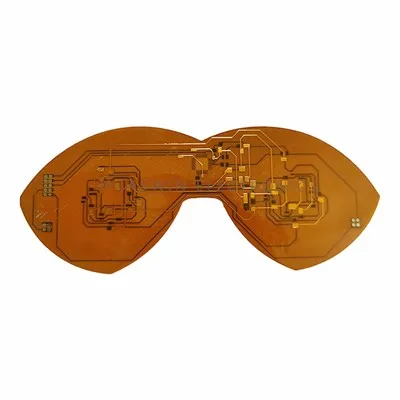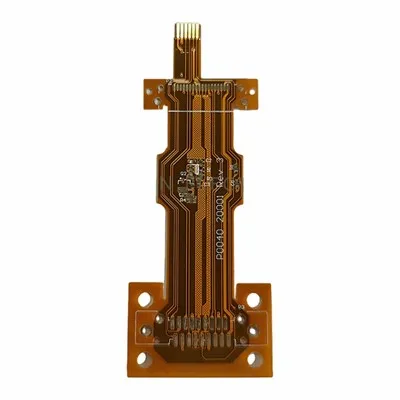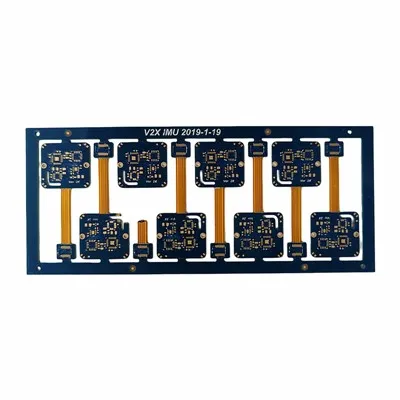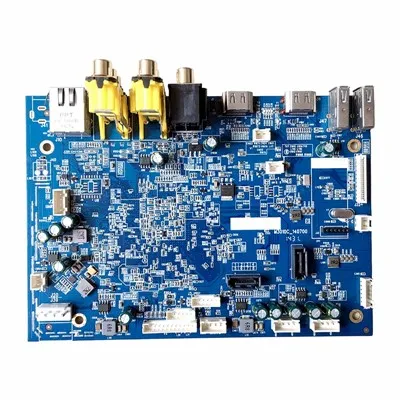

LED lighting products are widely used in residential lighting, commercial lighting, decorative lighting, automotive lighting, display backlight modules, signage, RGB strips, and smart lighting systems. Compared with traditional rigid boards, flexible PCB solutions allow lighting products to bend, fit into narrow spaces, follow curved surfaces, and support lightweight product structures. For customers, the key concern is not only whether the circuit can be flexible, but whether it can provide stable current transmission, reliable soldering, good heat dissipation, consistent brightness, and long-term performance.
We provide custom Flexible PCB for LED Lighting applications, helping customers solve common pain points such as overheating, voltage drop, poor solderability, weak pad adhesion, bending failure, uneven brightness, and unstable batch quality. Whether the project is for LED strips, RGB lighting, decorative lights, backlight modules, automotive ambient lighting, or smart lighting products, we help customers choose suitable materials, copper thickness, surface finishes, coverlay options, and production processes based on real application requirements.
For LED lighting customers, the best PCB solution should balance thermal performance, electrical stability, bendability, assembly reliability, appearance, and cost. Our goal is to support projects from prototype testing to stable mass production with practical engineering suggestions and controlled quality inspection.
Heat Dissipation
Heat dissipation is one of the most important factors in LED lighting PCB design. LED components generate heat during operation, and if heat cannot be transferred or managed properly, the lighting product may suffer from brightness decay, color shift, shorter service life, solder joint fatigue, or early failure.
Customers often ask whether flexible PCBs can support LED products that work for long hours. The answer depends on LED power, working current, copper thickness, circuit width, material structure, and installation environment. For low-power decorative lights, a standard flexible structure may be enough. For higher-power lighting products, thicker copper, optimized trace width, improved pad design, and better thermal paths may be required.
Good heat management helps reduce product failure rates and improves user experience. For lighting products used in enclosed spaces, automotive interiors, or long operating cycles, thermal performance should be reviewed before production instead of being checked only after the sample fails.
Current Stability
Current stability directly affects brightness, LED lifetime, and product consistency. In long LED strips or high-density lighting designs, voltage drop and uneven current distribution may cause brightness differences between sections. Customers often worry that one part of the lighting product looks brighter while another part becomes dimmer, especially in long strips, RGB lighting, and display backlight applications.
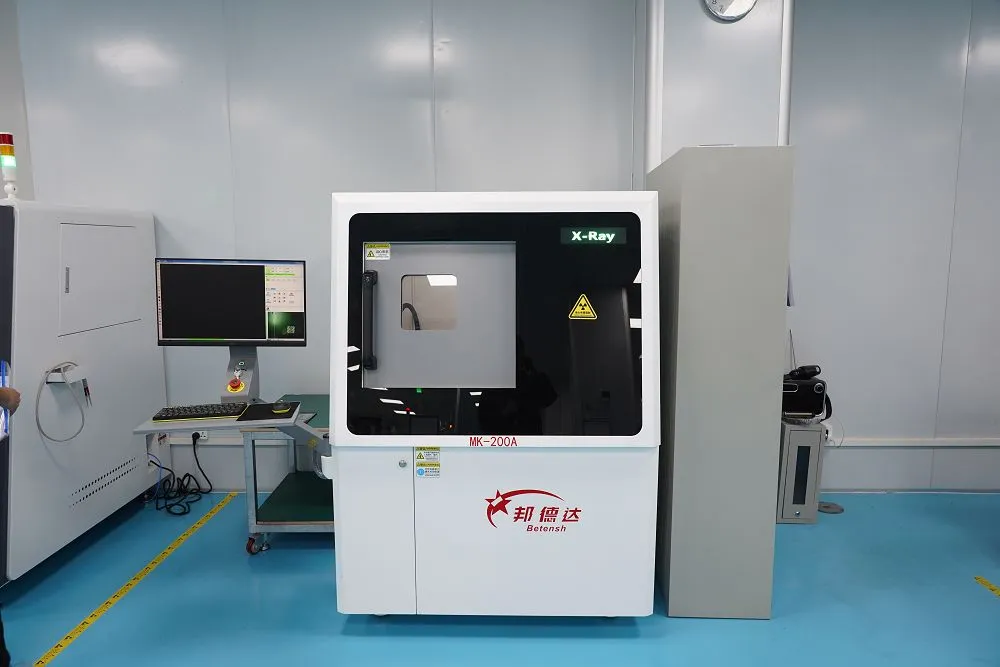
A reliable flexible lighting circuit should be designed with suitable copper thickness, proper trace width, stable pad layout, and clean surface finish. If the current path is too narrow or the copper thickness is not enough, the product may generate excessive heat or show unstable brightness. For RGB or multi-channel lighting products, circuit layout also affects color consistency and control performance.
When developing an LED Flexible PCB, we review current requirements, lighting length, LED density, and product structure to help customers reduce electrical instability and improve lighting performance.
Bendable Installation
One of the biggest advantages of flexible PCB in lighting applications is bendable installation. LED lighting products are often installed on curved surfaces, inside narrow channels, around corners, or in irregular structures. Flexible circuits allow designers to create more creative lighting layouts while reducing the need for extra wires or connectors.
However, bendable installation must be designed carefully. Customers often ask whether the board can be bent after LEDs are mounted. In most cases, LED components and solder joints should not be placed directly in active bending areas. Excessive bending stress around pads or components may cause solder cracks, pad lifting, open circuits, or lighting failure.
For better reliability, bending areas should avoid sharp trace corners, unnecessary vias, thick stiffeners, and component placement. The bend radius should match the material, copper type, and product structure. Proper bending design helps customers reduce installation failure and improve long-term lighting reliability.

Material Selection
Material selection affects heat resistance, flexibility, electrical performance, solderability, appearance, and cost. Many customers are unsure whether to choose PI, PET, RA copper, ED copper, white coverlay, or white solder mask. The right choice should depend on lighting power, bending requirement, working environment, product appearance, and budget.
|
Material / Structure |
Main Feature |
Suitable LED Lighting Use |
|
PI Material |
Better heat resistance and flexibility |
LED strips, automotive lighting, compact LED modules |
|
PET Material |
Cost-effective for simple structures |
Low-power decorative lighting |
|
RA Copper |
Better bending reliability |
Curved installation and bendable lighting products |
|
ED Copper |
Cost-effective for static installation |
Standard LED strips and fixed lighting layouts |
|
Thick Copper |
Better current carrying capacity |
Higher-current lighting products |
|
White Coverlay / White Solder Mask |
Better appearance and light reflection |
LED strips, backlight modules, visible lighting boards |
|
ENIG / OSP Finish |
Supports solderability requirements |
SMT LED assembly and connector areas |
The most suitable material is not always the highest-cost material. For example, decorative lighting may use a more cost-effective structure, while automotive lighting or high-density LED products may require better heat resistance and stronger reliability. We help customers select a balanced solution based on actual product needs.
White Coverlay / White Solder Mask
White coverlay or white solder mask is commonly used in LED lighting products because it can improve appearance and support better light reflection. For visible LED strips, backlight modules, and decorative lighting products, the board color and surface quality can affect the final product look.
Customers often care about whether the white surface will yellow, whether the openings are accurate, and whether the surface finish supports stable soldering. Poor coverlay alignment or low-quality surface control may affect LED placement, soldering quality, and visual consistency.
We pay attention to coverlay opening precision, surface cleanliness, soldering area accuracy, and appearance control. For lighting products where the PCB is visible to users, appearance consistency becomes part of the product quality, not just a cosmetic detail.
Solderability
Solderability is a major concern for LED flexible boards because LED components, resistors, capacitors, and connectors must be mounted reliably. Poor solderability may cause weak solder joints, poor wetting, LED shifting, pad lifting, rework, and unstable lighting performance.
Flexible boards are thinner and softer than rigid boards, so SMT assembly may require proper panel design, fixture support, or local reinforcement. Surface finish selection also affects soldering stability. ENIG can provide a flat surface for fine-pitch or higher-reliability applications, while OSP may be suitable for controlled assembly and cost-sensitive production.
A well-designed LED Strip Flexible PCB should support stable LED placement, reliable pad bonding, and smooth assembly. By controlling pad design, surface finish, coverlay openings, and packaging protection, we help customers reduce soldering defects and improve production yield.
Brightness Consistency
Brightness consistency is one of the key quality points for LED lighting customers. Uneven brightness may be caused by voltage drop, inconsistent copper thickness, poor solder joints, unstable LED placement, or improper circuit design. For RGB lighting, color consistency is also important because different channels must work together accurately.
Customers usually want to know whether the PCB can support stable current and consistent performance across batches. We focus on copper thickness control, electrical testing, surface quality, soldering area accuracy, and dimensional consistency. These details help support more stable lighting output and reduce visible differences in finished products.
For long strips, high-density LED layouts, or display-related lighting, early design review is especially useful. It helps identify current path risks, pad layout problems, and possible brightness variation before production.
Prototype to Mass Production
LED lighting projects usually begin with samples for brightness testing, installation testing, heat evaluation, and assembly verification. After the sample is approved, customers often move to small-batch testing, pilot production, and finally mass production.
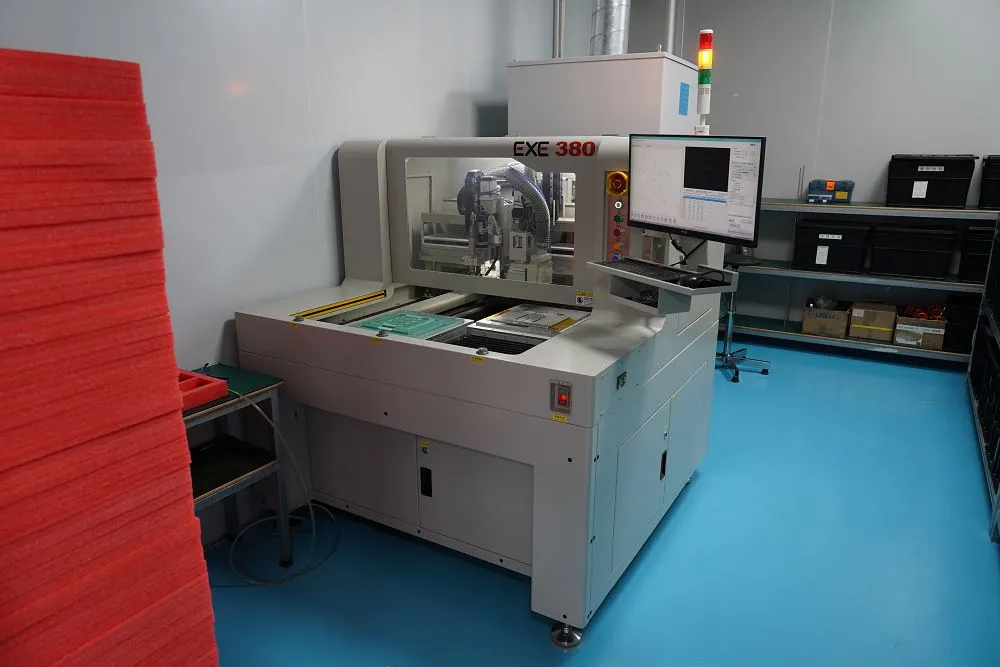
We support the full process from prototype to volume manufacturing. During prototype development, we help customers verify material choice, copper thickness, bending performance, solderability, and lighting stability. During pilot production, we help confirm process repeatability and assembly yield. During mass production, we focus on batch consistency, cost control, quality inspection, and delivery stability.
To receive a faster quotation, customers can provide Gerber files, quantity, board size, material requirements, copper thickness, surface finish, coverlay or solder mask color, LED power, working current, bending requirements, and final application details.
FAQ
Q1: What is a flexible PCB used for in LED lighting?
It is used for LED strips, RGB lighting, decorative lights, backlight modules, signage lighting, automotive lighting, and compact LED modules that require bendable installation and stable electrical connection.
Q2: Why is heat dissipation important for LED lighting PCBs?
LEDs generate heat during operation. If heat is not controlled properly, the product may suffer from brightness decay, solder joint failure, color shift, or shorter service life.
Q3: How do I choose between PI and PET materials?
PI is better for heat resistance and reliability, while PET is more cost-effective for simple and low-power lighting products. The final choice depends on power, bending requirement, temperature, and cost target.
Q4: Can LED flexible PCBs be bent after assembly?
They can be bent within a suitable radius, but LED components and solder joints should avoid active bending areas to reduce stress and prevent solder cracks or open circuits.
Q5: Why use white coverlay or white solder mask?
White coverlay or white solder mask improves appearance and light reflection, making it suitable for LED strips, backlight modules, and visible lighting products.
Q6: What affects brightness consistency?
Copper thickness, trace width, current distribution, soldering quality, LED placement, and circuit design can all affect brightness consistency.
Q7: Do you support prototype and mass production?
Yes. We support prototype testing, small-batch verification, pilot production, and mass production for LED lighting flexible circuit projects.
Hot Tags: flexible PCB for led lighting, China flexible PCB for led lighting manufacturers, suppliers, factory