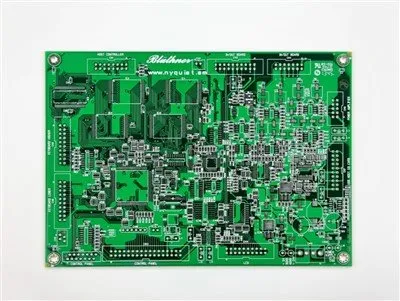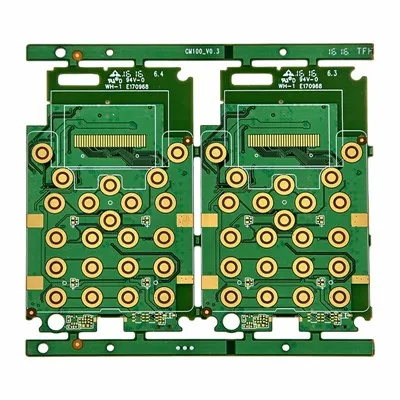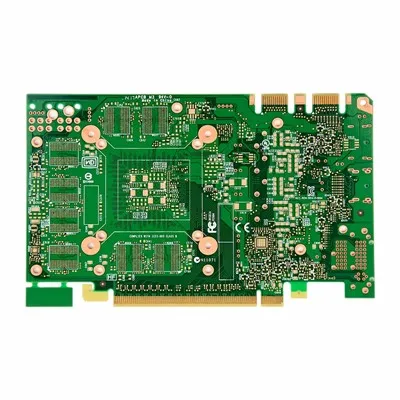
PCBs are primarily composed of substrate material and conductive copper foil. Different materials directly affect the PCB's electrical performance, heat dissipation, mechanical strength, and operating environment. Currently, the most widely used material is FR-4, a composite material made of fiberglass cloth and epoxy resin. It possesses excellent insulation, heat resistance, and mechanical strength, while also being moderately priced, making it widely used in computer motherboards, industrial control systems, power supply equipment, and consumer electronics. FR-4 also has good processing performance, meeting the needs of multilayer PCBs and high-density wiring, making it the most common PCB substrate in the electronics industry.
The material and surface treatment process of the copper foil on the PCB surface are equally crucial. Copper foil is typically divided into electrolytic copper and rolled copper; different types affect the conductivity and flexibility of the circuitry. To improve solderability and oxidation resistance, PCB surfaces undergo processes such as tin plating, immersion gold, immersion silver, and OSP (Optically Solderable Precision). Immersion gold offers high flatness and strong corrosion resistance, making it suitable for high-precision and high-reliability electronic products; tin plating, on the other hand, is less expensive and commonly used in the mass production of ordinary electronic products. As the electronics industry moves towards higher speeds, smaller sizes, and higher reliability, PCB materials are also constantly being upgraded to meet more complex and demanding application requirements.