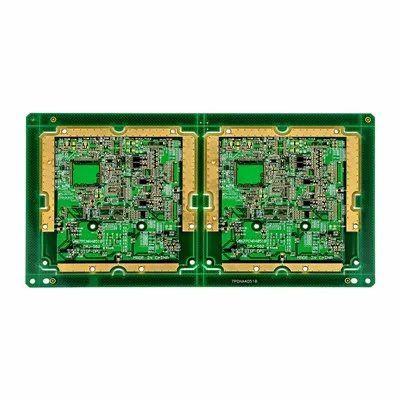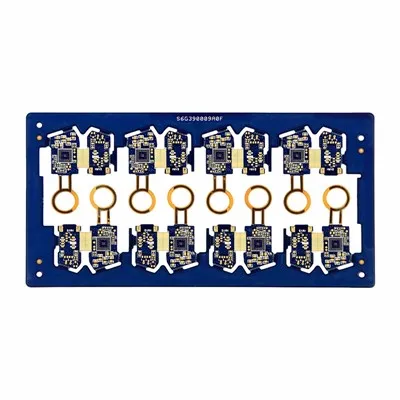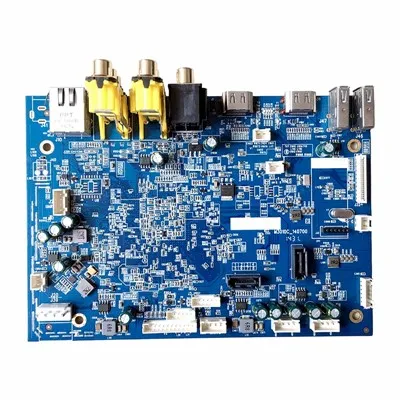
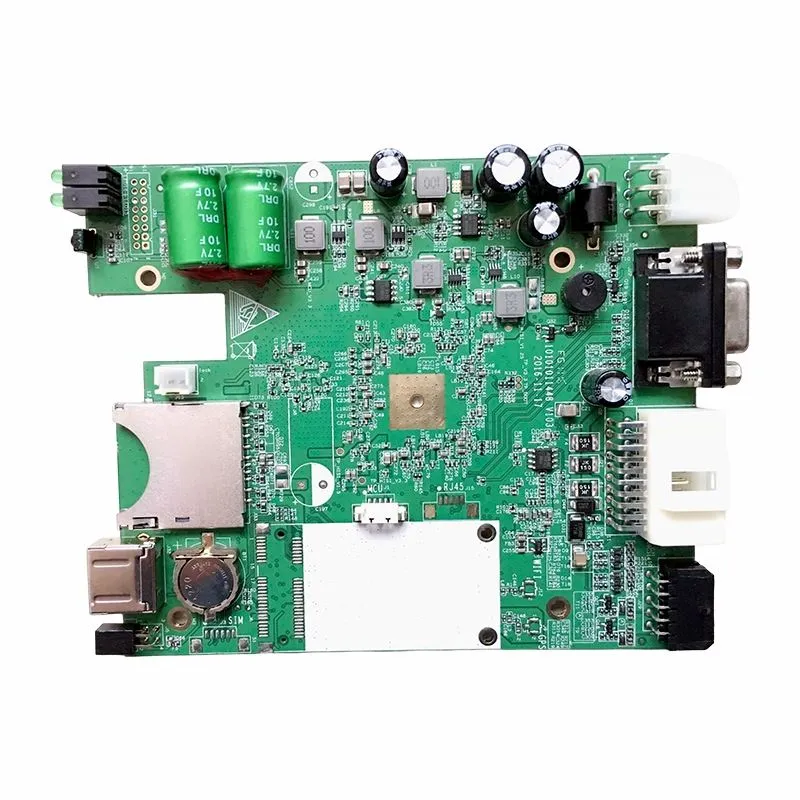
Industrial control boards are usually used in demanding environments where reliability is more important than simple assembly speed. A consumer product may only need to work under normal daily use, but industrial electronics often need to run continuously in factories, machines, control cabinets, automation systems, testing equipment, and power-related devices. If one solder joint fails, one connector becomes loose, or one component is unstable, the final equipment may stop working and cause production loss.
Our Industrial Control SMT PCB Assembly support is designed for customers who need dependable production for industrial control boards and electronic modules. Customers usually care about much more than whether components can be mounted onto the PCB. They want to know whether the BOM will be checked before production, whether components are available for future repeat orders, whether fine-pitch ICs can be assembled accurately, whether terminals and connectors are strong enough, whether functional testing can be arranged, and whether the same quality can be repeated in later batches.
Industrial boards often contain MCUs, ICs, optocouplers, relays, sensors, communication chips, power management devices, terminal blocks, connectors, transformers, inductors, large capacitors, and other mixed components. These parts require stable SMT process control, proper through-hole soldering, reliable inspection, and clear production documentation.
Reducing Industrial Assembly and Reliability Risks
One of the biggest pain points for industrial electronics customers is long-term stability. Industrial control boards may need to operate for thousands of hours in equipment, and failures can be costly. Customers often worry about cold solder joints, solder bridging, insufficient solder, wrong component orientation, weak connectors, unstable signals, and hidden defects under QFN or BGA packages.
SMT quality control is therefore very important. Solder paste printing, stencil design, placement accuracy, reflow profile, and inspection all affect solder joint reliability. If the solder paste volume is unstable, defects such as bridging, tombstoning, insufficient solder, or weak joints may appear. If the reflow profile is not suitable, components may not solder correctly or may be damaged by heat.
Industrial boards also often include through-hole components. Terminal blocks, connectors, relays, switches, transformers, large capacitors, and inductors may face mechanical stress, repeated plugging, cable pulling, or current load. These parts need strong soldering and careful inspection because they often connect the PCBA to external devices, sensors, motors, power supplies, or control systems.
|
Project Area |
Customer Pain Point |
Assembly Focus |
|
BOM Review |
Components may be unavailable, obsolete, or mismatched |
Check part number, package, footprint, stock, and alternatives |
|
SMT Assembly |
Fine-pitch parts may shift, bridge, or solder poorly |
Control solder paste, placement accuracy, and reflow process |
|
Through-Hole Assembly |
Terminals and connectors may loosen during use |
Use suitable soldering methods and inspect joint strength |
|
Power Components |
Heat or current load may affect reliability |
Review component placement and soldering quality |
|
Communication Interfaces |
Signal transmission may become unstable |
Control IC placement, connector soldering, and testing |
|
Functional Testing |
Visual inspection cannot confirm real operation |
Support input, output, relay, communication, or control testing |
|
Batch Production |
Future orders may differ from approved samples |
Maintain BOM records, process notes, and inspection standards |
A reliable industrial assembly process should not only focus on placing components quickly. It should help customers reduce failure risks before shipment and support stable operation in real equipment.
BOM Review and Component Sourcing
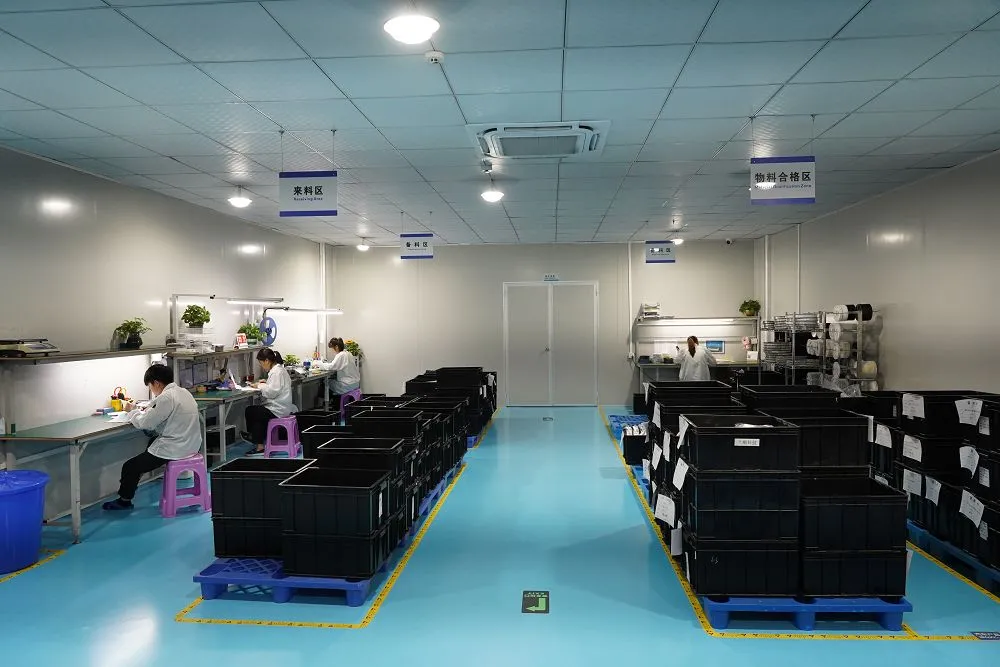
For industrial electronics, material stability is very important. Many industrial products have long service cycles and repeated orders. If a component becomes unavailable, is replaced without approval, or has a different package, the final product may show unstable function or require redesign.
BOM review can help identify risks before production. This includes checking part numbers, package types, footprint matching, stock availability, lead time, obsolete parts, and possible alternatives. If an alternative component is required, it should be confirmed with the customer before purchasing because substitutions may affect signal performance, power behavior, communication function, firmware compatibility, or long-term reliability.
Component sourcing should balance quality, cost, and supply stability. For industrial projects, choosing the cheapest component is not always the best option. A stable sourcing process helps reduce production delays, wrong-part risks, and quality variation in repeat orders.
SMT Assembly Quality Control
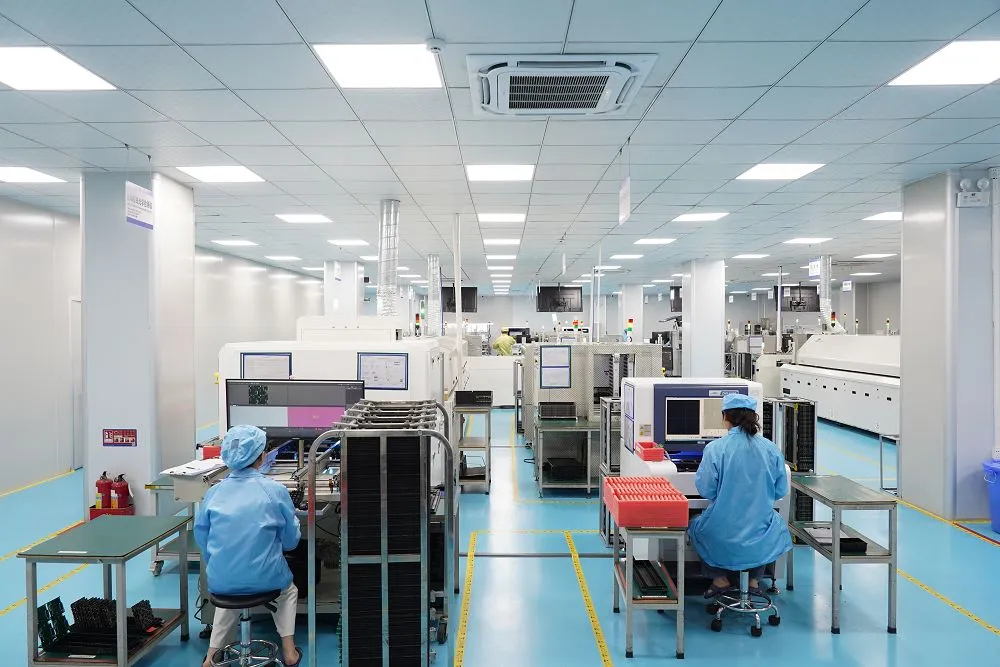
A professional Industrial SMT PCB Assembly Service should include clear process control for every key SMT step. This includes solder paste printing, SPI if required, component placement, reflow soldering, AOI inspection, and final visual checking. For QFN, BGA, or hidden solder joint components, X-ray inspection may be used when required.
Fine-pitch ICs, small SMD components, optocouplers, communication chips, sensors, and power management devices need accurate placement. Even a small shift may cause soldering defects or unstable operation. For double-sided boards or high-density layouts, process planning becomes more important because component spacing, reflow temperature, and board handling all affect final quality.
Customers often ask whether small-batch samples can maintain the same quality in future production. Stable process records, inspection standards, and approved production notes help make later batches more consistent with the approved sample.
Improving Testing Confidence and Batch Consistency
Industrial customers usually do not want boards that only pass visual inspection. They need boards that can perform real control, communication, power, sensing, or output functions. This is why testing is an important part of the production process.
Testing requirements vary by project. Some customers only need assembled boards for internal testing. Others need firmware programming, electrical checks, ICT, functional testing, relay action testing, communication testing, or burn-in testing. If customers provide test procedures, fixtures, or firmware, testing can be performed more effectively before shipment.
|
Testing / Inspection Item |
Purpose |
Customer Benefit |
|
Incoming Inspection |
Checks PCB and component condition before assembly |
Reduces material-related defects |
|
SPI |
Checks solder paste printing quality if required |
Helps prevent solder volume problems |
|
AOI Inspection |
Detects missing parts, wrong parts, polarity errors, and solder defects |
Improves assembly accuracy |
|
X-ray Inspection |
Checks BGA, QFN, and hidden solder joints if required |
Reduces hidden soldering risks |
|
Electrical Check |
Detects open circuits, short circuits, and basic connection issues |
Helps avoid obvious failures |
|
Firmware Programming |
Loads control software or test firmware |
Prepares boards for functional verification |
|
Functional Testing |
Checks input, output, relay action, communication, or control function |
Confirms real application performance |
|
Burn-In Test |
Checks long-time operation stability if required |
Helps identify early failures |
|
Final Visual Inspection |
Checks soldering, labels, connectors, cleanliness, and packaging |
Reduces shipment and handling risks |
Functional testing is especially valuable for industrial control boards because many issues cannot be found by appearance inspection. A relay may be soldered correctly but fail to switch under test conditions. A communication interface may look normal but fail during data transmission. A control board may power on but not respond properly to input or output commands. Testing helps reduce customer-side debugging pressure and improves confidence before delivery.
Application Areas
This assembly support can be used for many types of industrial electronics, including automation control boards, PLC-related modules, motor control boards, sensor interface boards, communication control boards, power control modules, industrial instruments, machine control boards, and embedded industrial systems.
Different applications have different production concerns. Automation boards require stable input and output performance. Motor control boards need attention to power components, connectors, and current load. Sensor interface boards require clean soldering and stable signal transmission. Communication boards need accurate placement and interface testing. Industrial instruments may require consistent assembly and inspection records.
A good assembly partner should adjust the production and testing plan according to the product application. Industrial boards are not all the same, so the process should consider component type, working environment, testing requirements, production quantity, and future repeat orders.
Prototype to Mass Production Support
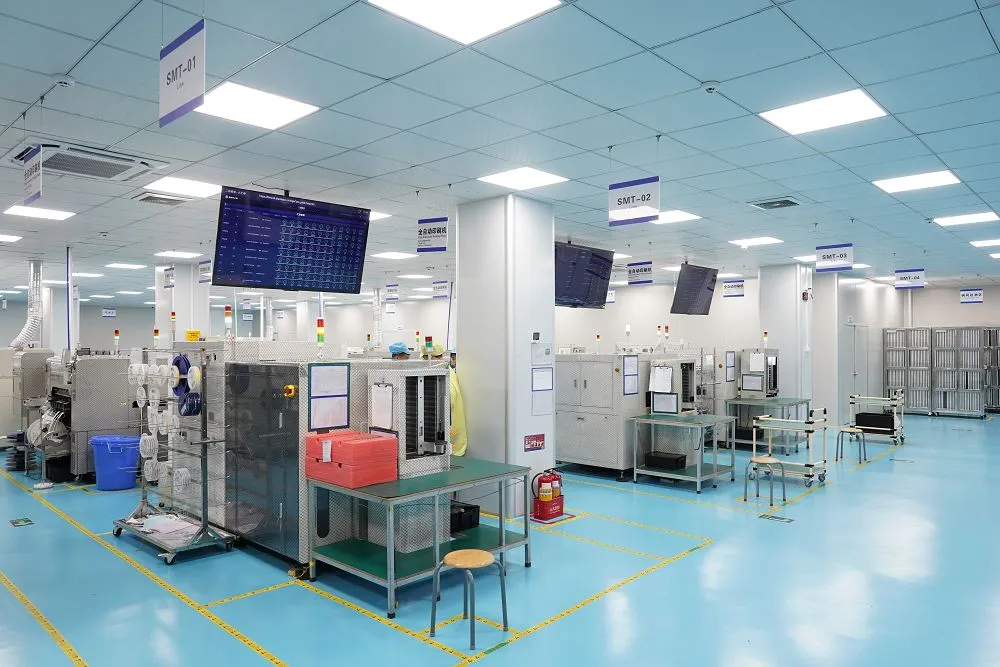
Many industrial electronics projects begin with prototypes or small-batch production. During the prototype stage, customers focus on design verification, component selection, firmware testing, and functional confirmation. During low-volume production, customers begin to check process repeatability, testing methods, and assembly stability. During mass production, delivery, yield, cost control, and batch consistency become more important.
Our Industrial PCBA Manufacturing support helps customers move from early samples to larger production with clearer records. Approved BOM versions, alternative component records, assembly notes, programming requirements, test methods, inspection standards, and packaging requirements should be documented from the beginning. If a component is changed, the change should be recorded. If a testing method is confirmed, it can become part of the production standard.
This documentation helps reduce repeated communication and keeps future batches closer to the approved sample.
Quality Control and Final Delivery
Quality control should begin before production, not only after assembly is completed. File review, BOM checking, component verification, PCB inspection, solder paste control, placement accuracy, reflow monitoring, through-hole soldering, programming, testing, final visual inspection, labeling, and packaging all affect the final product.
For industrial boards, connectors, terminals, relays, power components, and communication interfaces deserve special attention because they often affect real equipment operation. Strong soldering, reliable inspection, and proper packaging help reduce field failures and shipment risks.
The final goal is to deliver assembled boards that are not only completed, but ready for industrial testing, system integration, and long-term use.
FAQ
Q1: What files are needed for quotation?
Customers usually need to provide Gerber files, BOM, pick-and-place files, assembly drawings, quantity, and testing requirements. If firmware programming, functional testing, conformal coating, or special packaging is required, these details should also be included.
Q2: Can you support fine-pitch IC, QFN, and BGA assembly?
Yes. Fine-pitch ICs, QFN, BGA, small SMD components, sensors, and communication modules can be supported. These components require stable solder paste printing, accurate placement, controlled reflow, and X-ray inspection when needed.
Q3: Why is BOM review important for industrial electronics?
BOM review helps identify unavailable parts, obsolete components, long lead time items, footprint mismatches, and alternative component risks before production. For industrial products, material stability is important because many projects require repeat orders and long-term supply.
Q4: Can functional testing be provided?
Yes. Functional testing can be arranged if customers provide test procedures, firmware, fixtures, or testing requirements. Depending on the board, testing may include input/output checks, relay action, communication testing, power checks, or basic operation verification.
Q5: Can prototypes move into mass production?
Yes. Prototype and small-batch builds can move into pilot runs or mass production after approval. Clear BOM records, substitute records, assembly notes, testing methods, and inspection standards help future batches remain consistent with the approved sample.
Hot Tags: industrial SMT PCB assembly, China industrial SMT PCB assembly manufacturers, suppliers, factory