
Product Details
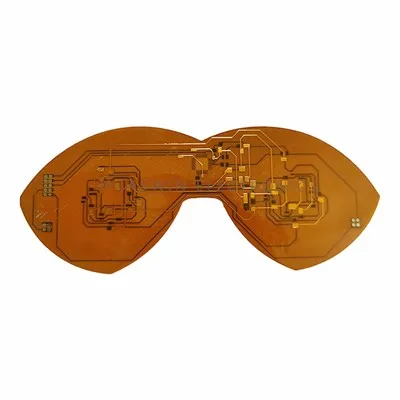
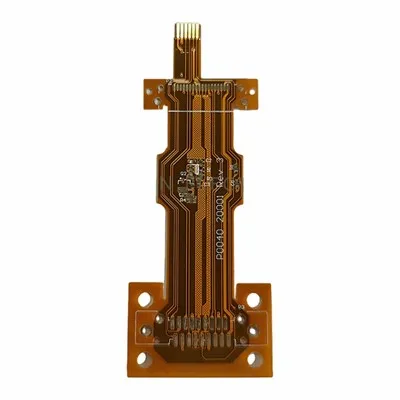
Automotive Flex PCBs are flexible circuits designed to satisfy strict automotive‑grade standards, widely deployed inside vehicle infotainment systems, sensor modules, lighting units, camera systems and interior electronic assemblies. Compared with consumer‑grade flex PCBs, automotive flex PCBs demand outstanding thermal resistance, vibration resistance, mechanical reliability and stable performance under wide temperature ranges. They must comply with relevant automotive quality specifications to withstand continuous shock, humidity and temperature cycling during vehicle operation. When selecting automotive flex PCBs, engineers and purchasing teams need to focus on material grade, certification requirements, flexing performance and long‑term reliability instead of only pursuing low cost.

Driving Factors for Flexible Circuit Adoption in Automotive Electronics
Vehicle manufacturers are continuously seeking ways to reduce weight, optimize available space and improve system integration.
Flexible circuits offer several advantages compared with conventional wiring harnesses and rigid PCBs.
Reduced Vehicle Weight
Every kilogram removed from a vehicle contributes to improved energy efficiency and performance.
01
Better Space Utilization
Flexible circuits can be routed through confined areas where rigid boards cannot be installed easily.
02
Fewer Mechanical Connections
Reducing connectors and cable assemblies can improve system reliability.
03
Simplified Assembly
Integrated flexible circuits may reduce assembly complexity during vehicle production.
04
Improved Design Freedom
Engineers can create more compact electronic modules without increasing enclosure size.
These benefits have led to increasing adoption of flexible circuit technology throughout modern vehicle platforms.
05
Common Automotive Applications
Automotive Flex PCBs are now used in a wide range of electronic systems.
Battery Management Systems
Electric vehicle battery packs require reliable signal transmission and monitoring functions.
Camera Modules
Advanced driver assistance systems depend on cameras positioned throughout the vehicle.
Lighting Systems
LED headlamps, interior lighting and adaptive lighting modules frequently incorporate flexible circuits.
Instrument Clusters
Modern digital dashboards require compact electronic assemblies and reliable interconnections.
Steering Wheel Electronics
Integrated control functions often utilize flexible circuits to accommodate mechanical movement.
Sensor Modules
Radar, monitoring and safety systems increasingly rely on compact electronic packaging.
As automotive technology evolves, the number of applications using flexible circuits continues to grow.
Reliability Requirements in Automotive Environments
One of the biggest differences between automotive electronics and consumer products is reliability expectation.
Many vehicle electronic systems are expected to operate for more than ten years under demanding conditions.
Automotive Flex PCB designs must withstand:
- Continuous vibration
- Mechanical stress
- Temperature cycling
- Humidity exposure
- Chemical contamination
- Long operating hours
Failure in these environments can lead to costly repairs and warranty claims.
For this reason, reliability often becomes the primary decision factor during supplier selection.

Material Selection Considerations
Material choice plays a critical role in automotive flexible circuit performance.
Several factors should be evaluated during the design stage.
Thermal Resistance
Vehicle electronics frequently operate in elevated temperature environments.
Mechanical Durability
Repeated movement and vibration require robust flexible materials.
Environmental Stability
Materials must maintain performance despite exposure to moisture and contaminants.
Long-Term Reliability
Automotive products generally require significantly longer service lives than consumer electronics.
Selecting materials based solely on cost may create reliability risks later in the product lifecycle.
A balanced approach that considers both performance and durability is usually more effective.
Validation and Qualification Methods
Automotive electronics typically undergo extensive validation before entering production.
Common qualification activities include:
√ Thermal Cycling Tests
Evaluate performance under repeated temperature changes.
√ Vibration Testing
Verify mechanical durability during vehicle operation.
√ Humidity Testing
Assess resistance to moisture-related degradation.
√ Electrical Reliability Verification
Confirm long-term circuit stability.
√ Mechanical Flex Testing
Measure durability under repeated movement conditions.
These validation procedures help identify potential weaknesses before products are installed in vehicles.
Automotive customers often require documented test data as part of supplier qualification.
Industry Standards and Compliance
Automotive electronics are generally subject to stricter quality requirements than many other industries.
Suppliers often support compliance with standards such as:
IATF 16949 quality management requirements
IPC manufacturing standards
RoHS compliance requirements
Automotive customer specifications
Reliability qualification procedures
The ability to consistently meet these requirements is often more important than offering the lowest unit price.
Vehicle manufacturers prioritize long-term performance and supply chain stability.
Risks Buyers Should Evaluate
Purchasing teams frequently focus on quotation comparisons, but automotive projects involve additional considerations.
Several risks deserve attention.
√ Insufficient Reliability Data
A low-cost supplier may lack proven automotive experience.
√ Limited Testing Capability
Without adequate validation resources, reliability concerns may remain undiscovered.
√ Inconsistent Material Sources
Material variation can affect long-term product performance.
√ Poor Process Traceability
Automotive programs often require comprehensive production records and quality documentation.
Evaluating these factors early can help reduce qualification delays and future warranty risks.
Future Trends in Automotive Flex PCB Technology
Vehicle electronics continue to become more sophisticated every year.
Several developments are driving increasing demand for automotive flexible circuits:
Electric vehicle adoption
Autonomous driving technologies
Advanced safety systems
Vehicle connectivity platforms
Intelligent lighting systems
Integrated sensor networks
As these technologies mature, automotive manufacturers will require electronic solutions that combine compact design, lightweight construction and exceptional reliability.
Automotive Flex PCB technology is expected to remain a key enabling platform for next-generation vehicle electronics.
FAQ
What is an Automotive Flex PCB?
An Automotive Flex PCB is a flexible printed circuit specifically designed to meet the reliability, durability and environmental requirements of vehicle electronic systems.
Why are flexible circuits used in vehicles?
They help reduce weight, save installation space, simplify assembly and improve system integration.
What reliability tests are commonly performed?
Thermal cycling, vibration testing, humidity testing, electrical verification and mechanical flex testing are among the most common qualification procedures.
Which automotive systems use flexible circuits?
Battery management systems, cameras, lighting modules, instrument clusters, steering wheel controls and sensor assemblies frequently use Automotive Flex PCBs.
Hot Tags: automotive flex pcb, China automotive flex pcb manufacturers, suppliers, factory, flex pcb, flex pcb fabrication, flex printed circuit board, flexible pcb fabrication, pcb flex, rigid flex assembly