Product Details
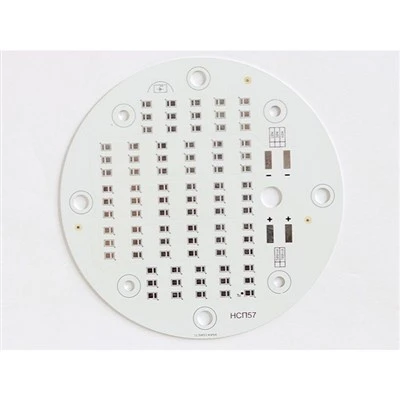
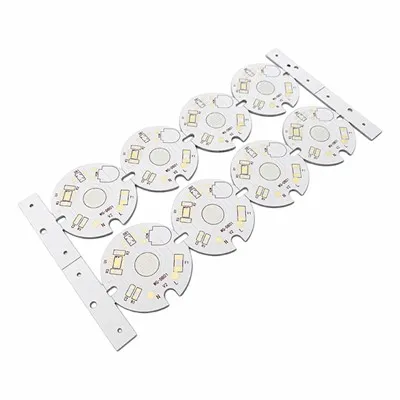
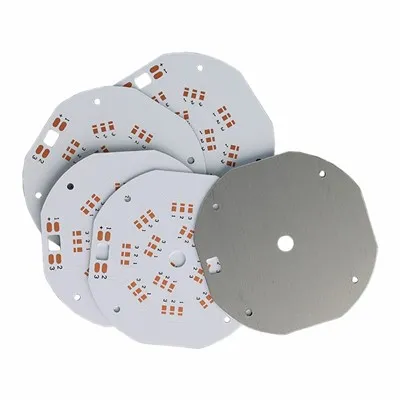
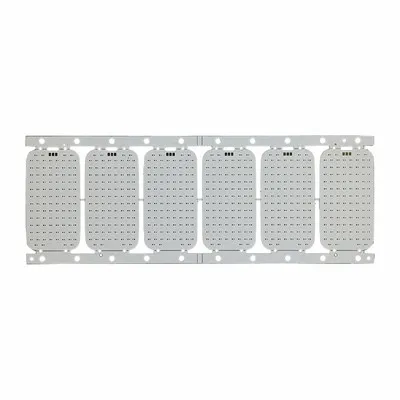
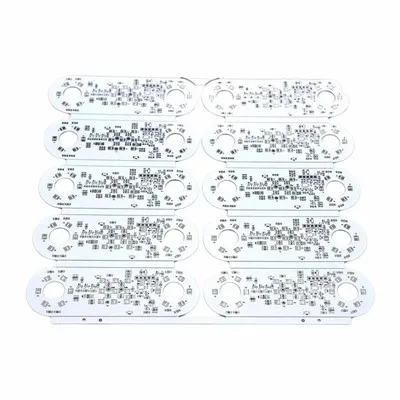
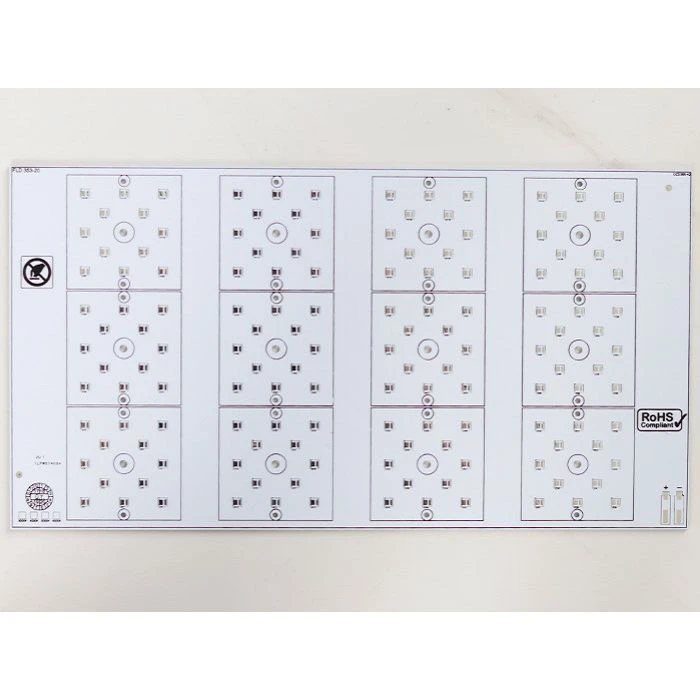
High-Thermal-Conductivity PCB refers to printed circuit boards optimized for efficient heat transfer, lowering thermal resistance to dissipate heat generated by high-power components. Solutions cover metal-core PCBs, high-thermal-conductivity FR-4, special thermally-enhanced dielectric materials and structures with thermal vias. Unlike standard FR-4 PCBs with poor thermal performance, high-thermal-conductivity PCBs reduce component junction temperature, suppress thermal drift and improve long-term reliability under continuous high-power operation.
Importance of Thermal Performance for Modern‑Electronic Designs
Electronic components generate heat whenever electrical energy is converted, processed or transmitted.
In low-power applications, standard FR4 circuit boards may provide sufficient performance. However, as power density increases, heat accumulation can create several operational challenges:
- Reduced component lifespan
- Lower system efficiency
- Increased failure rates
- Thermal instability
- Higher cooling requirements
- Greater maintenance costs
Effective thermal management helps maintain stable operating conditions while supporting long-term product reliability.
For many industrial and commercial products, thermal performance directly influences total ownership costs over the product lifecycle.
Comparing High Thermal Conductivity PCB and Standard FR4 PCB
Many purchasing decisions begin with a comparison between traditional PCB materials and thermally enhanced alternatives.
|
Feature |
High Thermal Conductivity PCB |
Standard FR4 PCB |
|
Heat Dissipation |
Excellent |
Moderate |
|
Thermal Resistance |
Low |
Higher |
|
Power Handling Capability |
High |
Moderate |
|
Operating Temperature Stability |
Excellent |
Good |
|
Reliability Under Load |
High |
Moderate |
|
Cooling System Dependency |
Reduced |
Higher |
Although FR4 remains suitable for many electronic products, applications involving continuous power loads often benefit from improved thermal conductivity.
Key Factors When Selecting a Thermal PCB Solution
Not all thermal PCB technologies offer the same performance characteristics.
Several factors should be considered during supplier evaluation and material selection.
Heat Generation Level
The amount of heat generated by the product helps determine the required thermal performance.
Products with higher power density typically require more aggressive thermal management solutions.
01
Operating Environment
Environmental conditions can influence material selection.
Factors often include:
- Ambient temperature
- Humidity levels
- Airflow conditions
- Mechanical vibration
- Continuous operating cycles
02
Product Size Limitations
Compact devices often have fewer cooling options available.
In these situations, thermal performance must be integrated directly into the PCB design.
03
Reliability Expectations
Products intended for long service life frequently require stronger thermal management strategies.
04
Budget Requirements
Different thermal PCB solutions offer different balances between performance and cost.
The most expensive option is not always the most practical choice.
05
Common Thermal PCB Technologies
Several technologies are available to improve heat dissipation.
Aluminum-Based PCB
Aluminum substrates provide effective thermal transfer and competitive cost.
These solutions are commonly used in LED lighting and power conversion equipment.
Copper-Based PCB
Copper-core designs offer higher thermal conductivity and greater current carrying capability.
These products are often selected for demanding power applications.
Ceramic PCB
Ceramic materials provide excellent thermal conductivity and electrical insulation.
They are frequently used in specialized industrial and aerospace systems.
Thermally Enhanced Multilayer PCB
Advanced multilayer structures can improve heat distribution while supporting complex circuit routing.
The optimal solution depends on the specific requirements of the application.
Cost Evaluation Beyond Initial Purchase Price
Purchasing decisions are often influenced by unit cost.
However, thermal management solutions should be evaluated using a broader perspective.
Potential long-term benefits include:
- Lower maintenance expenses
- Improved product reliability
- Reduced warranty claims
- Longer component lifespan
- Improved energy efficiency
- Reduced cooling system requirements
A PCB with higher initial cost may generate lower total lifecycle expenses through improved thermal performance.
Many manufacturers evaluate total system cost rather than focusing solely on PCB pricing.
Applications That Benefit from High Thermal Conductivity PCB
Several industries rely heavily on advanced thermal management.
Power Electronics
Power supplies, inverters and converters generate significant heat during operation.
Automotive Systems
Electric vehicles and advanced control modules often require stable thermal performance.
LED Lighting
Thermal control directly influences light output and operating lifespan.
Industrial Automation
Motor drives and industrial control systems frequently operate under elevated temperatures.
Communication Infrastructure
Network equipment often runs continuously and requires efficient heat management.
These applications frequently prioritize reliability and thermal stability over minimum material cost.
Supplier Selection Considerations
Choosing the right manufacturing partner is critical for thermal management projects.
Important evaluation criteria include:
Thermal Engineering Support
Suppliers should understand thermal design principles and material selection.
Material Availability
Stable access to thermal materials helps avoid supply chain disruptions.
Manufacturing Experience
Experienced manufacturers often provide stronger process control and quality consistency.
Prototype Support
Prototype verification helps validate thermal performance before production.
Quality Assurance Systems
Reliable manufacturing processes support consistent product quality.
Strong supplier partnerships often reduce project risk and improve development efficiency.
Future Trends Driving Thermal PCB Demand
Several technology trends continue increasing demand for advanced thermal management solutions.
Growth drivers include:
- Electric vehicle adoption
- Renewable energy expansion
- Artificial intelligence hardware
- High-power communication equipment
- Industrial automation upgrades
- Energy storage systems
As electronic devices become more powerful and compact, thermal performance will remain a critical factor in product design and procurement decisions.
Organizations that select appropriate thermal PCB solutions early in development often achieve better reliability, improved efficiency and lower lifecycle costs.
FAQ
What is a High Thermal Conductivity PCB?
A High Thermal Conductivity PCB is a circuit board designed to transfer heat efficiently through specialized materials or structures, helping maintain stable operating temperatures.
What are the main advantages of High Thermal Conductivity PCB technology?
Key benefits include improved heat dissipation, enhanced reliability, longer component lifespan and reduced cooling requirements.
Which industries commonly use High Thermal Conductivity PCBs?
Power electronics, automotive systems, LED lighting, industrial automation and communication infrastructure frequently utilize these solutions.
How does a High Thermal Conductivity PCB differ from a standard FR4 PCB?
Thermal PCBs provide significantly better heat transfer performance, making them more suitable for high-power applications.
Hot Tags: high thermal conductivity pcb, China high thermal conductivity pcb manufacturers, suppliers, factory