Product Details
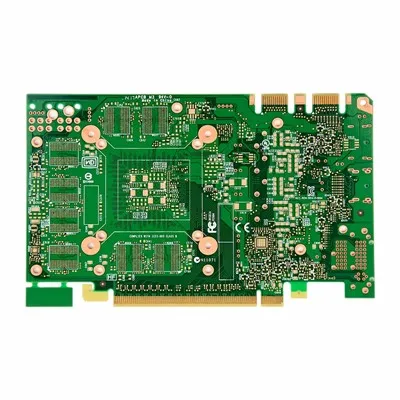
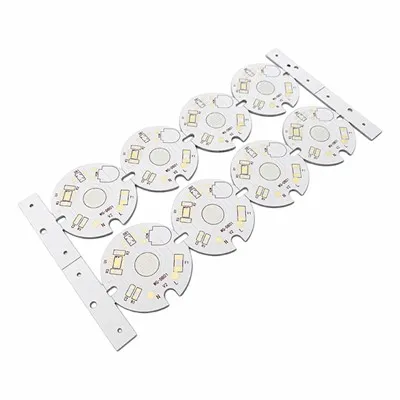
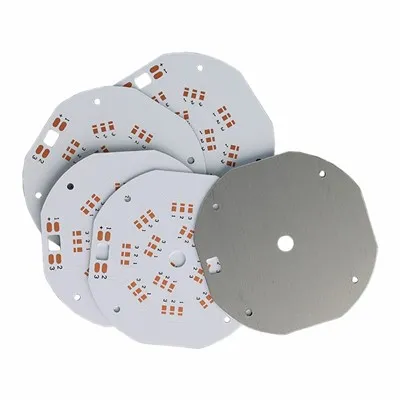
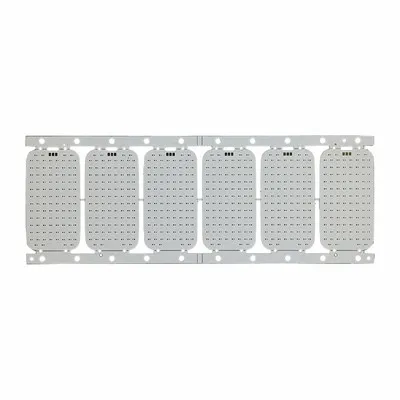
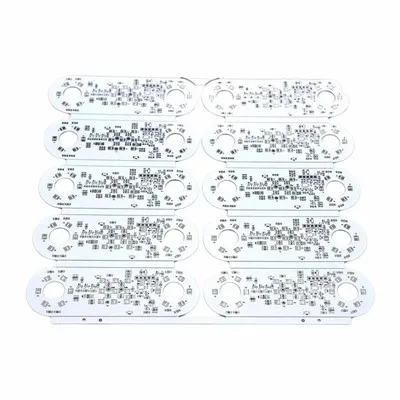
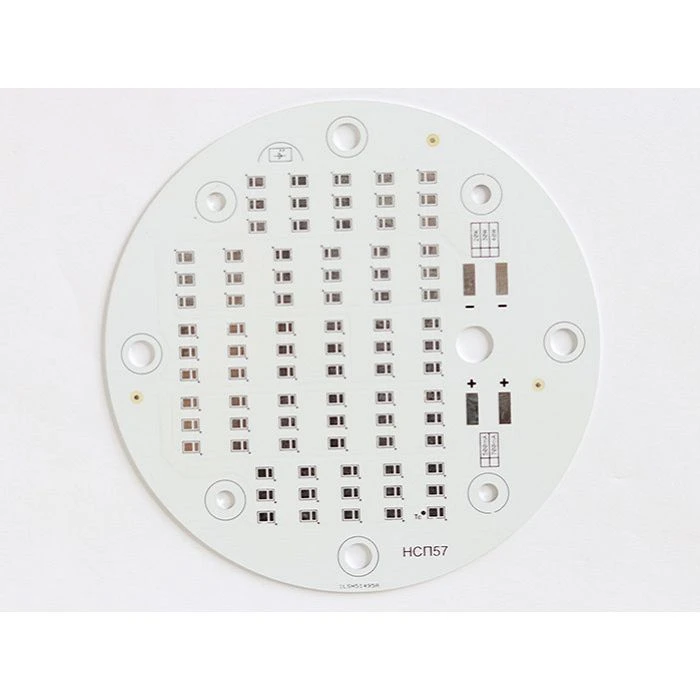
Aluminum PCBs for power electronics are metal-core boards optimized for high-current and heat-generating power components. The aluminum base quickly dissipates heat, lowers junction temperature and prevents thermal overload. They are widely used in converters, motor drives and automotive power units. Dielectric thermal resistance, isolation voltage and copper thickness directly affect reliability. Designers should evaluate thermal demands and safety requirements during DFM review.
Manufacturing Structure of Aluminum PCB for Power Electronics
Unlike conventional FR4 boards, aluminum PCBs incorporate a metal substrate that serves as a heat-spreading layer.
A typical structure includes:
- Copper circuit layer
- Thermally conductive insulation layer
- Aluminum base plate
- Surface finish coating
The insulation layer plays a particularly important role because it must provide both electrical isolation and efficient heat transfer.
The aluminum base then distributes thermal energy across a larger area, helping to reduce localized temperature buildup around power components.
Proper structural design is essential for achieving reliable performance in demanding power applications.

Manufacturing Capabilities for High-Power Applications
Power electronic products often require more robust PCB construction than standard consumer electronics.
Manufacturing capabilities commonly include:
Heavy Copper Processing
Thicker copper layers support higher current loads and improve power distribution.
Typical applications include industrial power supplies, battery systems and motor control circuits.
01
Large Board Fabrication
Power equipment frequently requires larger PCB dimensions to accommodate high-power components.
Manufacturers must maintain dimensional stability throughout production.
02
Precision Thermal Layer Control
Consistent dielectric thickness is important for predictable thermal performance.
Advanced process control helps maintain uniformity across production batches.
03
High Current Trace Manufacturing
Power circuits often require wider traces and optimized copper distribution.
Proper manufacturing techniques help reduce resistance and improve efficiency.
04
Multi-Layer Power Board Production
Complex power systems may require multiple routing layers for control circuits, power stages and communication modules.
These capabilities support a wide range of power electronic applications.
05
Material Selection and Manufacturing Considerations
Different power applications require different thermal and electrical characteristics.
Several factors influence material selection:
√ Thermal Conductivity Requirements
Higher power levels typically require improved heat dissipation capability.
√ Mechanical Strength
Industrial equipment often operates in environments with vibration and mechanical stress.
√ Electrical Isolation Performance
The insulation layer must maintain reliable separation between conductive elements.
√ Long-Term Stability
Materials should maintain performance throughout the product lifecycle.
Manufacturers often recommend materials based on operating conditions, power levels and environmental requirements.
Surface Finish Options
Surface finish selection affects solderability, assembly quality and long-term reliability.
Common finishes include:
HASL
A cost-effective solution suitable for many industrial applications.
Lead-Free HASL
Supports environmental compliance requirements.
ENIG
Provides excellent surface flatness and strong soldering performance.
OSP
Offers a simple and economical finish for selected applications.
The most appropriate finish depends on assembly requirements and product specifications.
Quality Control During Manufacturing
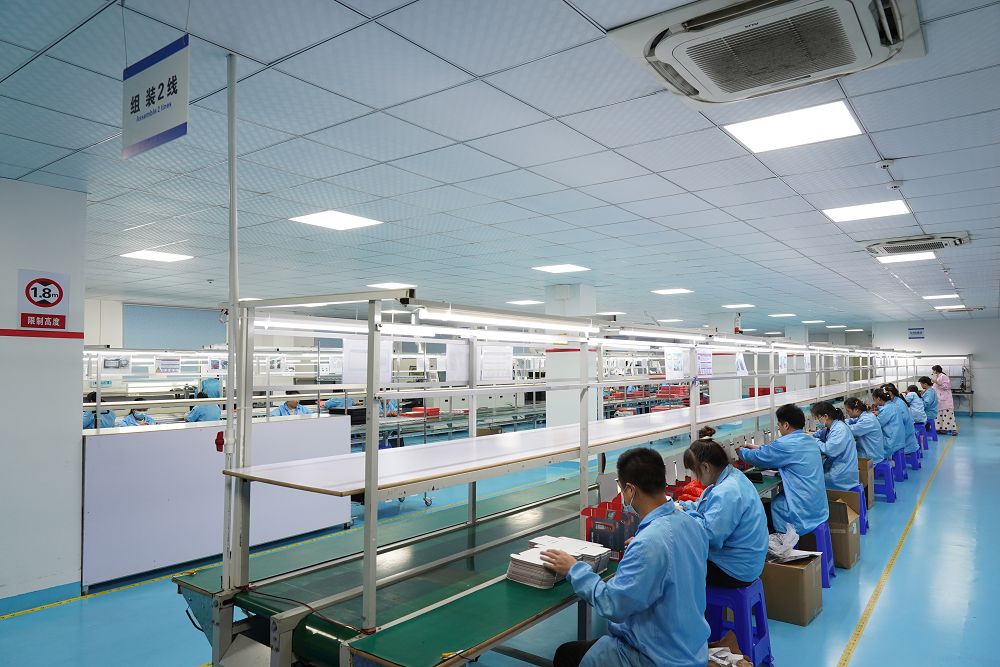
Power electronics applications often require stricter quality standards than conventional electronic products.
Quality control procedures may include:
Incoming materials are verified before entering production.
Dimensional Verification
Critical dimensions are measured throughout manufacturing.
Electrical Testing
Circuit continuity and insulation resistance are confirmed.
Thermal Structure Inspection
Thermal layers are evaluated to ensure compliance with design requirements.
Final Visual Inspection
Completed boards are inspected for manufacturing defects and workmanship quality.
Consistent quality control helps ensure stable performance in field applications.
Manufacturing Challenges in Power Electronics Projects
Producing aluminum PCBs for power electronics presents several technical challenges.
Thermal Layer Consistency
Variations in thermal dielectric properties can affect heat dissipation performance.
Copper Thickness Control
Heavy copper processing requires specialized manufacturing expertise.
Mechanical Machining Accuracy
Metal substrates require precise drilling and routing operations.
Layer Adhesion Reliability
Strong bonding between layers is essential for long-term durability.
High Current Design Support
Manufacturers must ensure that fabricated structures meet current-carrying requirements.
Addressing these challenges helps improve both product quality and production yield.
Applications Requiring Aluminum PCB Technology
Power electronics are used across a wide range of industries.
▼ Industrial Power Supplies
Continuous operation creates significant thermal loads.
▼ Solar Inverters
Energy conversion systems require efficient heat management.
▼ Battery Energy Storage Systems
Charging and discharging cycles generate substantial heat.
▼ Electric Vehicle Electronics
Power conversion and battery control systems depend on reliable thermal performance.
▼ Motor Drive Systems
High-current circuits require robust PCB structures and efficient heat dissipation.
These applications continue driving demand for advanced aluminum PCB manufacturing capabilities.
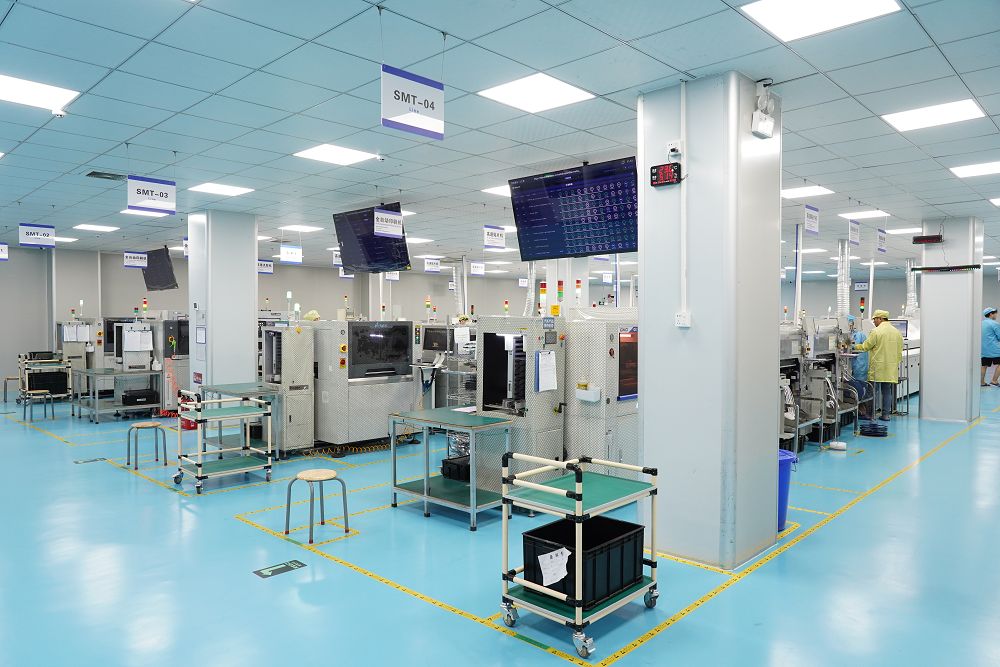
Why Manufacturing Expertise Matters
The performance of a power electronics PCB depends not only on design but also on manufacturing quality.
Experienced manufacturers can provide:
- Design-for-manufacturing support
- Material recommendations
- Thermal structure optimization
- Process consistency
- Stable production yields
- Long-term supply capability
Strong manufacturing expertise helps reduce project risks and supports successful product deployment.
For power electronics applications, manufacturing quality often has a direct impact on reliability and service life.
FAQ
What is an Aluminum PCB for Power Electronics?
An Aluminum PCB for Power Electronics is a metal-core circuit board designed to provide efficient heat dissipation and reliable electrical performance in high-power applications.
What are the advantages of aluminum PCBs in power electronics?
Key advantages include improved thermal management, higher reliability, enhanced mechanical strength and support for high-current circuits.
Which industries commonly use aluminum PCBs for power electronics?
Industrial automation, renewable energy, electric vehicles, energy storage systems and power supply manufacturers frequently utilize these boards.
What manufacturing capabilities are important for power electronics PCBs?
Heavy copper processing, thermal layer control, large board fabrication, precision machining and strict quality management are among the most important capabilities.
Hot Tags: aluminum pcb for power electronics, China aluminum pcb for power electronics manufacturers, suppliers, factory