
Product Details
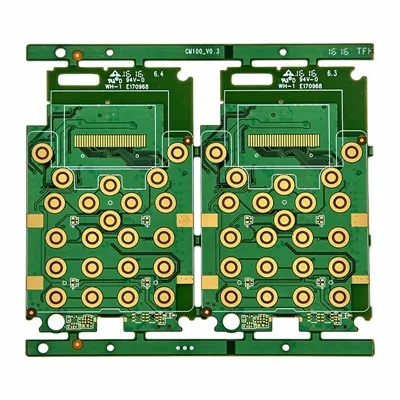
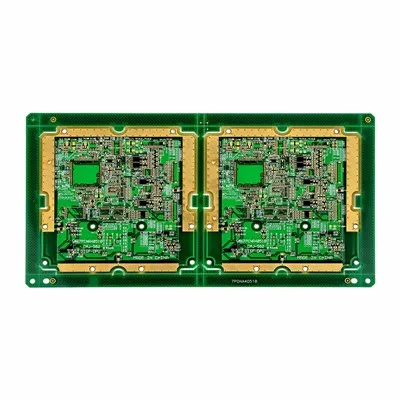
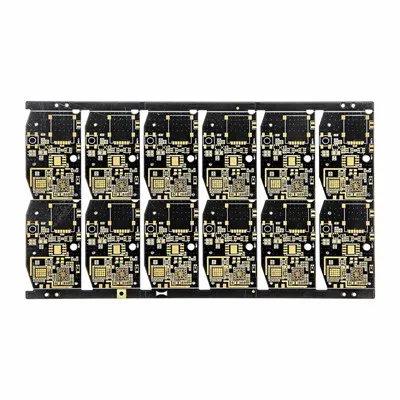
Turnkey THT assembly is full-service through-hole assembly. Suppliers handle PCB fabrication, component procurement, manual or wave-soldering insertion and final testing. THT suits high-current, high-voltage and rugged-use products. Compared with SMT, it has larger component size and lower assembly density. Customers should confirm hole dimensions, pin specifications and test requirements to prevent assembly defects.

Importance of THT Verification for PCB Assemblies
Unlike many SMT components, through-hole devices are physically inserted through the PCB and soldered to plated holes.
This construction creates strong mechanical connections but also introduces unique manufacturing challenges.
Potential risks include:
- Incomplete hole filling
- Insufficient solder penetration
- Lead alignment issues
- Thermal damage
- Poor mechanical retention
- Electrical connection instability
Verification activities help identify these issues before production volumes increase.
For reliability-focused industries, validation is often a required step before product release.
Prototype Assembly Evaluation
Prototype builds provide valuable information regarding manufacturability and assembly quality.
Engineering teams commonly review:
Component Fit Accuracy
Leads and holes must align correctly throughout the assembly.
Assembly Accessibility
Operators and equipment must be able to install components efficiently.
Hole Design Compatibility
Pad and hole dimensions should support reliable soldering.
Mechanical Stability
Large components require adequate support during operation.
Prototype evaluation helps reduce engineering changes later in the project lifecycle.
Solder Joint Validation
Solder quality is one of the most important aspects of through-hole assembly.
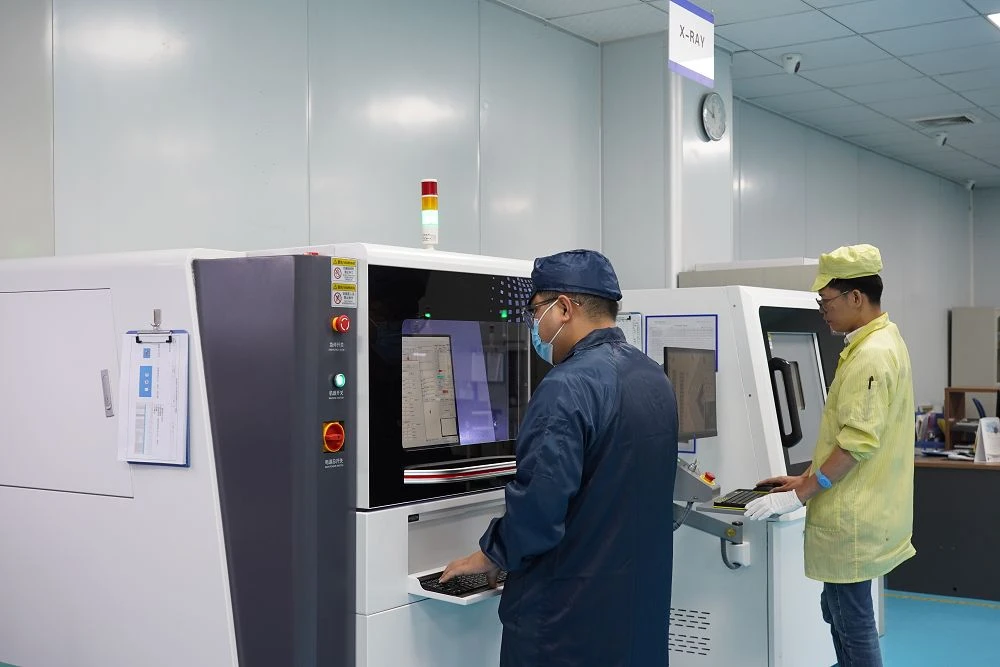
Several inspection methods are commonly used.
√ Visual Inspection
Surface appearance is reviewed according to established acceptance criteria.
√ Cross-Section Analysis
Internal solder penetration can be evaluated through destructive testing.
√ Pull Testing
Mechanical retention strength is measured for selected components.
√ Electrical Continuity Testing
Conductive paths are verified before final assembly approval.
Reliable solder joints directly influence product durability and long-term performance.
Wave Soldering Process Verification
Many THT assemblies utilize wave soldering for efficient production.
Process validation typically focuses on:
√ Flux Application
Consistent flux coverage supports proper solder wetting.
√ Preheating Control
Proper thermal preparation reduces soldering defects.
√ Solder Temperature Stability
Controlled temperature improves process consistency.
√ Conveyor Speed Optimization
Travel speed influences solder penetration and joint quality.
Careful process setup helps improve yield and reduce rework.
Selective Soldering Validation
Complex assemblies often require selective soldering instead of traditional wave soldering.
This approach is frequently used when SMT components are already present on the board.
Key validation areas include:
√ Solder Volume Control
Proper solder quantity helps achieve reliable joints.
√ Process Repeatability
Consistent results are essential for volume production.
√ Thermal Impact Assessment
Sensitive components must remain protected during soldering.
√ Joint Quality Verification
Critical connections are inspected after soldering.
Selective soldering supports higher assembly flexibility while maintaining quality requirements.
Reliability Testing for THT Assemblies
Many through-hole products operate in demanding environments.
Reliability testing helps confirm long-term performance.
√ Vibration Testing
Mechanical stress resistance is evaluated under operating conditions.
√ Thermal Cycling
Repeated temperature changes assess solder joint durability.
√ Humidity Testing
Environmental exposure effects are analyzed.
√ Operational Life Testing
Products are operated over extended periods to evaluate reliability.
These tests provide valuable performance data before commercial deployment.
Industries Relying on Turnkey THT Assembly
Through-hole technology remains important across several industries.
√ Industrial Control Equipment
Heavy-duty applications often require strong mechanical connections.
√ Power Electronics
Large power components commonly utilize through-hole mounting.
√ Transportation Systems
Reliability and vibration resistance are critical requirements.
√ Medical Equipment
Long-term operational stability is often prioritized.
√ Energy Infrastructure
Power distribution and control systems frequently depend on THT technology.
These applications continue to drive demand for professional through-hole assembly services.
Design Improvements Identified During Validation
Development testing often reveals opportunities for optimization.
Typical improvements include:
√ Hole Size Adjustment
Improved fit can enhance solder quality.
√ Component Layout Optimization
Better spacing supports manufacturing efficiency.
√ Thermal Profile Refinement
Optimized heating improves solder consistency.
√ Mechanical Reinforcement
Additional support structures may increase durability.
√ Assembly Sequence Optimization
Improved workflow can reduce production time.
Addressing these findings before mass production helps improve quality and reduce manufacturing risk.
Future Role of THT Technology
Although SMT dominates many electronics sectors, through-hole technology remains essential for products requiring high durability and mechanical strength.
Market drivers include:
- Industrial automation growth
- Renewable energy systems
- Electric transportation infrastructure
- High-current power equipment
- Mission-critical control systems
- Long-life industrial electronics
As these industries continue to expand, turnkey THT assembly services will remain an important part of the electronics manufacturing ecosystem.
FAQ
What is Turnkey THT Assembly?
Turnkey THT Assembly is a complete manufacturing service that includes PCB fabrication, component sourcing, through-hole assembly, soldering, inspection, testing and final delivery.
What are the advantages of THT assembly?
Key benefits include strong mechanical connections, excellent durability, high-current capability and reliable performance in demanding environments.
Which industries commonly use Turnkey THT Assembly?
Industrial automation, power electronics, transportation systems, medical devices and energy infrastructure frequently utilize THT assembly services.
Why is validation important in THT assembly?
Validation helps identify soldering issues, assembly risks and reliability concerns before volume production begins.
Hot Tags: turnkey tht assembly, China turnkey tht assembly manufacturers, suppliers, factory, full turnkey pcb, turn key assembly, turnkey pcb, turnkey pcb assembly, turnkey pcb assembly service, turnkey pcb manufacturing