
Product Details
Complete electronics assembly covers end-to-end product manufacturing, from PCB fabrication, component procurement, SMT/THT soldering to mechanical integration, cable harness assembly and final system testing. It delivers fully finished electronic products. Suitable for prototype, pilot-run and production orders. Clear specifications, acceptance criteria and BOM management are essential to prevent quality issues and schedule delays.

Manufacturing Capabilities Required for Complete Electronics Assembly
A successful complete electronics assembly project depends on more than PCB assembly alone.
Manufacturers must possess capabilities across multiple production stages.
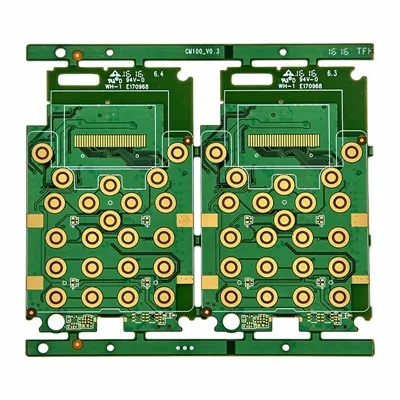
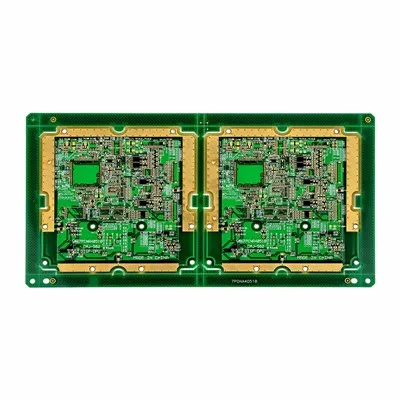
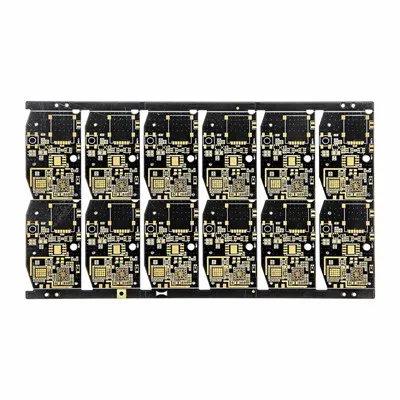
PCB Fabrication
The process begins with PCB manufacturing according to customer specifications.
Capabilities may include:
- Single-sided PCBs
- Multilayer PCBs
- HDI boards
- Aluminum PCBs
- Rigid-flex PCBs
Consistent PCB quality forms the foundation of the entire assembly process.
Component Procurement
Efficient supply chain management is essential for project success.
Manufacturers typically source components through:
- Authorized distributors
- Original manufacturers
- Approved supplier networks
- Customer-approved vendors
Reliable sourcing helps reduce counterfeit risks and supply interruptions.
SMT Assembly
Surface mount technology remains the primary assembly method for modern electronics.
Advanced SMT capabilities often include:
- Fine-pitch placement
- BGA assembly
- QFN assembly
- High-speed production
- Automated inspection
SMT processes support high-density electronic designs and efficient production.
THT Assembly
Many products still require through-hole components.
Typical applications include:
- Connectors
- Transformers
- Power devices
- Relays
- Large capacitors
Combining SMT and THT processes allows manufacturers to support a wide variety of products.
Box Build Manufacturing Capability
Complete electronics assembly often extends beyond PCB production.
Box build services may include:
Mechanical Assembly
Installation of PCBs into enclosures and mechanical structures.
01
Cable and Wire Harness Integration
Connection of internal wiring systems and external interfaces.
02
Display Installation
Assembly of LCD panels, touch screens and user interface modules.
03
Thermal Management Components
Installation of fans, heatsinks and cooling systems.
04
Final Product Configuration
Assembly of all subcomponents into a finished product.
These capabilities allow customers to receive fully assembled products rather than individual circuit boards.
05
Quality Control Throughout Production
Comprehensive quality management is essential when multiple manufacturing processes are involved.
Quality control activities commonly include:
Incoming Material Inspection
Materials are verified before production begins.
In-Process Inspection
Critical manufacturing stages are monitored continuously.
Automated Optical Inspection
SMT placement and solder quality are checked automatically.
Functional Testing
Products are tested according to customer requirements.
Final Assembly Inspection
Finished products undergo visual and operational verification.
△ Consistent quality systems help improve reliability and reduce production defects.
Manufacturing Equipment and Process Control
Production efficiency depends heavily on manufacturing equipment and process stability.
Important capabilities include:
√ Automated SMT Lines
High-speed placement equipment supports volume production.
√ Wave and Selective Soldering Systems
These systems improve consistency in through-hole assembly.
√ Programming Stations
Firmware and software can be loaded during production.
√ Testing Platforms
Dedicated fixtures help verify product functionality.
√ Assembly Workstations
Controlled assembly environments improve product quality.
Well-maintained equipment contributes to stable manufacturing performance.

Production Scalability
Different customers require different production volumes.
Complete electronics assembly providers often support:
√ Prototype Production
Low-volume builds for engineering verification.
√ Pilot Production
Initial manufacturing runs before mass production.
√ Medium-Volume Production
Suitable for specialized industrial products.
√ High-Volume Manufacturing
Large-scale production for commercial markets.
Flexible capacity allows products to move smoothly from development to commercialization.
Industries Using Complete Electronics Assembly Services
A broad range of industries rely on complete manufacturing solutions.
√ Industrial Automation
Control systems, monitoring equipment and industrial communication devices.
√ Medical Electronics
Diagnostic instruments, monitoring equipment and portable healthcare devices.
√ Communication Systems
Network hardware, wireless equipment and communication infrastructure.
√ Automotive Electronics
Control modules, sensors and charging systems.
√ Smart Devices
Consumer electronics, IoT products and connected equipment.
These industries often require both assembly expertise and comprehensive production management.
Benefits of Working with a Single Manufacturing Partner
Many companies choose complete electronics assembly to simplify operations.
Advantages include:
- Reduced supplier management
- Simplified logistics
- Faster project coordination
- Improved quality consistency
- Better production visibility
- Shorter overall lead times
Managing the entire manufacturing process through one supplier often reduces communication delays and improves project efficiency.
Choosing a Complete Electronics Assembly Supplier
Selecting the right manufacturing partner requires evaluation of several factors.
Important considerations include:
- Manufacturing capacity
- Supply chain resources
- Engineering support
- Quality management systems
- Testing capabilities
- Box build experience
A supplier with strong manufacturing capabilities can help customers reduce risk, improve product quality and support future production growth.
For complex electronic products, complete assembly services provide an efficient path from design to finished product.
FAQ
What is Complete Electronics Assembly?
Complete Electronics Assembly is a full-service manufacturing solution that includes PCB fabrication, component sourcing, SMT assembly, THT assembly, testing, box build and final product integration.
What are the advantages of Complete Electronics Assembly?
Key benefits include simplified supply chain management, improved production efficiency, consistent quality control and reduced project coordination requirements.
Which industries commonly use Complete Electronics Assembly?
Industrial automation, medical electronics, communication equipment, automotive electronics and smart device manufacturers frequently use complete assembly services.
Does Complete Electronics Assembly include box build services?
Many manufacturers provide box build, cable assembly, mechanical integration and final product assembly as part of a complete electronics assembly solution.
Hot Tags: complete electronics assembly, China complete electronics assembly manufacturers, suppliers, factory, full turnkey pcb, turn key assembly, turnkey pcb, turnkey pcb assembly, turnkey pcb electronics, turnkey pcb manufacturing